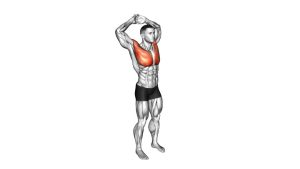
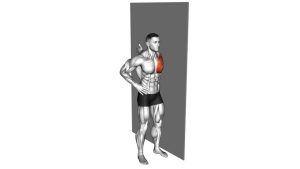
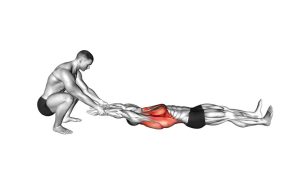
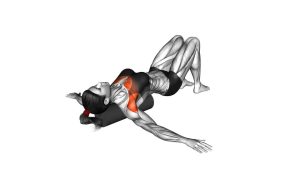
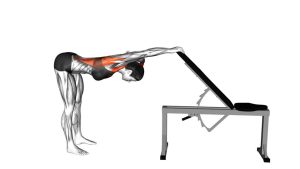
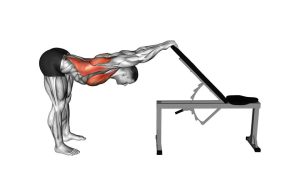
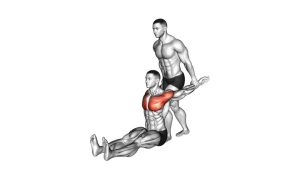
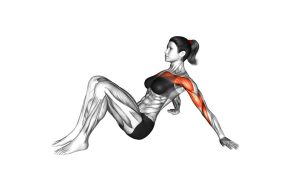
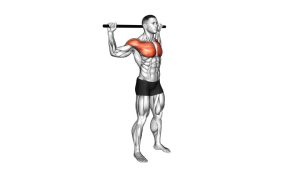
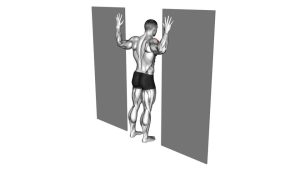
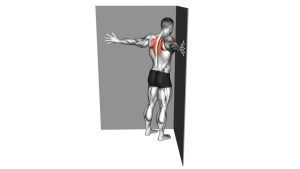
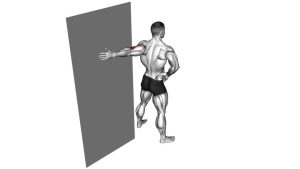
Chest-Out Hands Behind Back Hold: Standing Chest Opener Stretch (Form, Hold Time, Tips & FAQ)
Learn the Chest-Out Hands Behind Back Hold (standing chest opener stretch) to improve posture, open tight pecs, and reduce shoulder rounding. Step-by-step setup, hold times by goal, common mistakes, FAQs, and optional equipment.
Chest-Out Hands Behind Back Hold
This stretch is most effective when it’s controlled and comfortable. You should feel a steady stretch across the chest and possibly the front of the shoulders, not pinching in the shoulder joint or numbness/tingling down the arm.
Quick Overview
| Body Part | Chest |
|---|---|
| Primary Muscle | Pectoralis major (sternal + clavicular fibers) |
| Secondary Muscle | Pectoralis minor (often), anterior deltoid, biceps long head (stretch), front shoulder capsule |
| Equipment | None (optional: yoga strap/towel, resistance band) |
| Difficulty | Beginner (excellent for posture resets and daily mobility) |
Sets & Reps (By Goal)
- Daily posture reset: 1–3 sets × 20–40 sec hold (easy stretch, nasal breathing)
- Mobility / flexibility focus: 2–4 sets × 30–60 sec hold (60 sec rest)
- Warm-up before upper-body training: 1–2 sets × 15–30 sec hold (light intensity)
- After chest/pressing workout: 2–3 sets × 30–60 sec hold (gentle, no forcing)
Progression rule: Increase hold time first. If you need more range, progress slowly by improving posture and shoulder position— not by “cranking” the hands higher.
Setup / Starting Position
- Stand tall: Feet hip-width, knees soft, glutes lightly engaged.
- Ribs down: Keep your ribcage stacked over your pelvis (avoid low-back arching).
- Hands behind back: Clasp fingers behind you at the low back/upper glutes. (If tight, hold a towel/strap instead.)
- Shoulders set: Roll shoulders gently back and down (no shrugging).
- Neck long: Chin neutral, gaze forward, jaw relaxed.
Tip: If your shoulders feel cranky, keep the hands lower and focus on opening the chest rather than lifting the arms high.
Execution (Step-by-Step)
- Open the chest first: Lift the sternum slightly and widen the collarbones.
- Draw shoulders back: Squeeze shoulder blades gently together (think “proud chest,” not “shrug”).
- Extend the arms: Keep elbows straight and let the hands drift slightly away from the body.
- Lift only a little: Raise the clasped hands a few centimeters to deepen the stretch—stop before any pinch.
- Hold and breathe: Slow breaths in and out; relax the face and keep the ribs down.
- Exit with control: Lower hands, release the clasp, and shake out arms/shoulders.
Pro Tips & Common Mistakes
Pro Tips
- Use a strap/towel: If clasping hands forces rounding, widen your grip with a strap for better alignment.
- Think “collarbones wide”: Chest opens up and out—not just “hands up.”
- Keep ribs down: A stacked torso makes this a true chest/shoulder stretch, not a low-back compensation.
- Gentle intensity wins: You should be able to breathe calmly throughout the hold.
Common Mistakes
- Overarching the low back: Rib flare reduces the chest stretch and stresses the lumbar spine.
- Shrugging shoulders: Elevating the shoulders shifts tension into the neck/traps.
- Forcing the lift: Cranking the hands high can irritate the front of the shoulder.
- Bent elbows: Usually a sign you’re compensating—reduce range and re-set posture.
FAQ
Where should I feel this stretch?
Most people feel it across the pecs and the front of the shoulders. You may also feel a stretch in the biceps (long head) depending on your arm position. If you feel pinching deep in the shoulder joint, lower the hands and reduce the range.
What if I can’t clasp my hands behind my back?
Use a yoga strap or towel between your hands. Start with a wider grip and focus on posture first. Over time, you can gradually bring your hands closer as mobility improves.
How often should I do it?
For posture and mobility, many people do this daily at low intensity (1–3 holds). If you’re very tight or sore after pressing workouts, keep it gentle and avoid forcing range.
Is it normal to feel it more on one side?
Yes—many people have asymmetries from daily posture, sports, or dominant-arm habits. Keep the hold symmetrical, breathe, and avoid twisting. If discomfort is sharp or worsening, stop and reassess.
Can this help rounded shoulders?
It can help by improving chest/shoulder mobility, but it works best when paired with upper-back strengthening (rows, face pulls, band pull-aparts) to reinforce the new posture.
Recommended Equipment (Optional)
- Yoga Strap / Stretching Strap — makes the stretch accessible if clasping hands is too tight
- Resistance Bands Set — great for pairing with posture drills (band pull-aparts, rows)
- Foam Roller — supports thoracic mobility work that complements chest opening
- Massage Ball / Lacrosse Ball — helpful for pec/shoulder trigger points and tight front-shoulder tissue
- Door Anchor + Stretch Strap (Mobility Kit) — optional setup for controlled chest/shoulder mobility variations
Tip: Tools should make the stretch more comfortable and controlled. If any item increases pinching or nerve-like symptoms, stop using it.