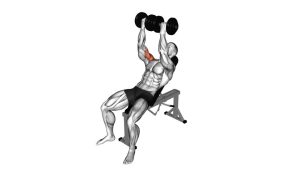
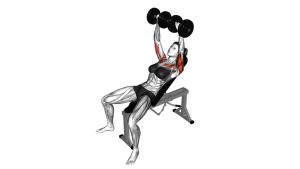
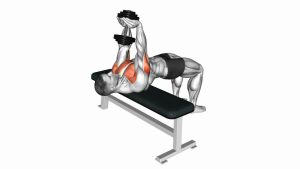
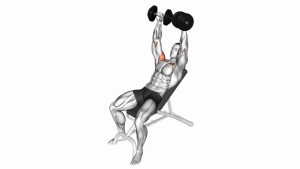
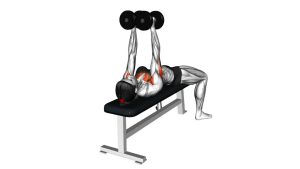
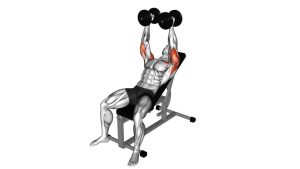
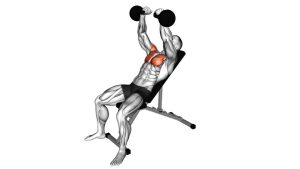
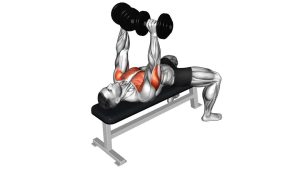
Dumbbell Incline Squeeze Press: Form, Muscles Worked, Sets, Tips & FAQ
Learn how to do the Dumbbell Incline Squeeze Press with proper form. Discover muscles worked, setup, execution, sets and reps by goal, common mistakes, FAQs, and recommended Amazon equipment.
Dumbbell Incline Squeeze Press
This exercise is especially useful for lifters who want a stronger mind-muscle connection with the chest and better control in incline pressing patterns. Compared with a standard incline dumbbell press, the squeeze element can make lighter loads feel harder because the chest has to stay active for the entire set. Use a load you can control smoothly without letting the dumbbells drift apart.
Quick Overview
| Body Part | Chest |
|---|---|
| Primary Muscle | Pectoralis major (upper chest emphasis) |
| Secondary Muscle | Anterior deltoids, triceps brachii, chest stabilizers |
| Equipment | Incline bench and dumbbells |
| Difficulty | Beginner to Intermediate |
Sets & Reps (By Goal)
- Muscle growth: 3–4 sets × 8–12 reps with controlled tempo and constant inward pressure
- Strength-focused chest accessory work: 3–5 sets × 6–8 reps using crisp form and a full but comfortable range
- Mind-muscle connection / chest activation: 2–3 sets × 12–15 reps with lighter weight and slower eccentrics
- Upper-body hypertrophy finisher: 2–3 sets × 10–15 reps with short rest and continuous chest tension
Progression rule: Increase reps first, then load. Only move heavier when you can keep the dumbbells squeezed together, maintain bench contact, and finish each rep without shoulder compensation.
Setup / Starting Position
- Set the bench: Adjust an incline bench to roughly 30–45 degrees to bias the upper chest without overloading the front delts.
- Pick the dumbbells: Choose a moderate pair that you can press with full control while maintaining inward pressure.
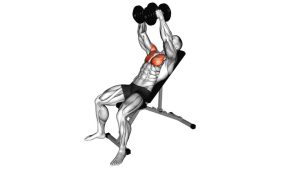
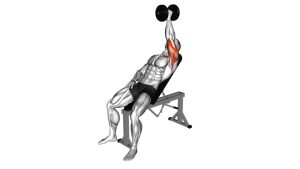
- Get into position: Sit on the bench, bring the dumbbells to your thighs, and lie back with the weights ready above the upper chest.
- Lock in your upper body: Keep your head, upper back, and glutes in contact with the bench. Plant your feet firmly on the floor.
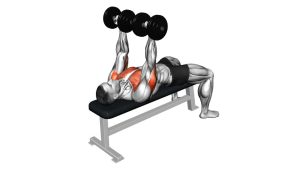
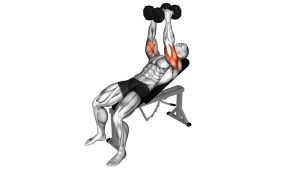
- Start with the dumbbells touching: Use a neutral grip so the palms face each other and press the dumbbells together at chest level.
Tip: The setup should feel stable and stacked. If your shoulders roll forward or your wrists bend excessively, reduce the load and reset before starting the set.
Execution (Step-by-Step)
- Brace and squeeze: Before the first rep, lightly retract your shoulder blades and actively squeeze the dumbbells into each other.
- Press upward: Drive the dumbbells up over the upper chest while keeping them touching the entire time.
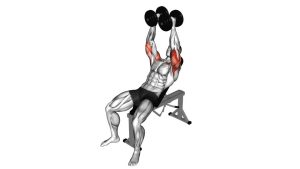
- Extend with control: Straighten the arms near the top without aggressively locking out or losing chest tension.
- Pause briefly: Hold the top for a moment while continuing to squeeze inward.
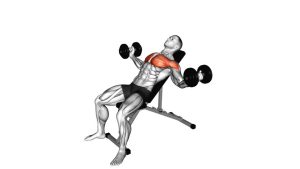
- Lower slowly: Bring the dumbbells back down toward the upper chest under control, letting the elbows bend naturally.
- Repeat smoothly: Keep the tempo even, the chest lifted, and the dumbbells connected from rep to rep.
Pro Tips & Common Mistakes
- Keep the squeeze constant: The press is only half the exercise. The inward pressure is what makes this variation unique.
- Use moderate weight: Going too heavy often makes the dumbbells separate and shifts tension away from the chest.
- Do not flare the elbows excessively: Let them track naturally below the shoulders for a safer pressing path.
- Control the eccentric: A slower lowering phase improves chest tension and helps maintain better positioning.
- Do not over-arch: A small natural arch is fine, but keep the ribcage and torso under control.
- Keep wrists stacked: Neutral wrists help transfer force cleanly and reduce unnecessary joint stress.
- Use it as a chest-builder, not a max-strength lift: This exercise shines best in controlled hypertrophy work.
FAQ
What muscles does the dumbbell incline squeeze press work?
It mainly targets the pectoralis major with a stronger emphasis on the upper chest because of the incline angle. The triceps and front delts also assist during the press.
What makes this different from a regular incline dumbbell press?
In this version, the dumbbells stay pressed together throughout the set. That inward pressure increases chest tension and can improve your ability to feel the chest working through the full range of motion.
How much incline should I use?
Most lifters do well with a bench angle around 30–45 degrees. Too steep of an incline can shift more of the work into the shoulders and reduce chest emphasis.
Should I go heavy on this exercise?
Usually no. This movement is more effective with a moderate load that allows you to keep the dumbbells together and maintain steady chest tension from start to finish.
Is this a good exercise for chest hypertrophy?
Yes. It works very well as a hypertrophy-focused accessory because it combines pressing with prolonged tension, which makes it useful for higher-quality chest volume.
Recommended Equipment
- Adjustable Workout Bench — essential for setting a stable incline angle for upper-chest pressing
- Adjustable Dumbbells — ideal if you want fast load changes for progression without storing multiple pairs
- Fixed Dumbbells — a solid choice for simple, stable pressing with no adjustment delay
- Wrist Wraps for Weightlifting — useful if you want added wrist support during pressing movements
- Workout Mat — helps protect flooring and improves your home-gym training area
Tip: For this exercise, prioritize a stable bench and a dumbbell setup that lets you progress gradually. Those two upgrades will matter more than anything else.