Close-Grip Chin-Up: Proper Form, Back Muscles Worked, Sets, Tips & FAQ
Learn how to do the Close-Grip Chin-Up with proper form to build lats, upper-back strength, and pulling control. Includes muscles worked, sets and reps by goal, setup, execution, mistakes, FAQs, and recommended equipment.
Close-Grip Chin-Up
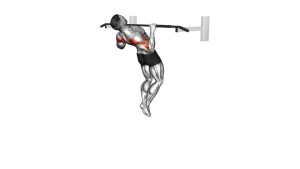
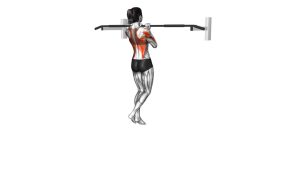
This variation often feels stronger than an overhand pull-up because the underhand grip allows the biceps to assist more, but the movement is still highly effective for the lats and upper-back musculature. Clean reps come from a dead hang, controlled scapular engagement, and a smooth pull that brings the chin above the bar without swinging or kicking.
Quick Overview
| Body Part | Back |
|---|---|
| Primary Muscle | Latissimus dorsi |
| Secondary Muscle | Biceps brachii, brachialis, brachioradialis, rhomboids, middle trapezius, rear deltoids, forearms, core stabilizers |
| Equipment | Pull-up bar or chin-up station; optional assist bands, chalk, straps, or dip belt |
| Difficulty | Intermediate |
Sets & Reps (By Goal)
- Strength: 4–6 sets × 3–6 reps, 2–3 minutes rest
- Muscle growth: 3–5 sets × 6–10 reps, 60–120 seconds rest
- Bodyweight control / skill: 3–4 sets × 4–8 clean reps, stop 1–2 reps before form breaks
- Beginner progression: 3–4 sets × 5–8 assisted reps using a band or machine
- Weighted progression: 4–5 sets × 3–5 reps with a dip belt once bodyweight reps are solid
Progression tip: First own the full range of motion—dead hang to chin-over-bar. Then add reps. Add load only after you can repeat strong, controlled sets without kipping or losing shoulder position.
Setup / Starting Position
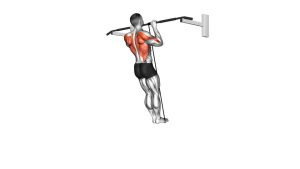
- Grip the bar: Use a close underhand grip with palms facing you. Your hands can be shoulder-width or slightly narrower, depending on comfort and joint tolerance.
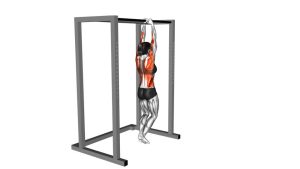
- Hang with control: Start from a full dead hang with elbows extended and the body aligned underneath the bar.
- Set the upper body: Brace the abs, squeeze the glutes lightly, and let the shoulders settle down instead of shrugging up toward the ears.
- Prepare the pull: Lift the chest slightly and think about pulling the elbows toward your ribs.
- Stabilize the lower body: Keep the legs quiet. A slight knee bend or crossed ankles can help reduce swinging.
Tip: If an ultra-narrow grip bothers your wrists, use a slightly less narrow position while keeping the palms supinated.
Execution (Step-by-Step)
- Start from the hang: Fully extend the arms while keeping the body braced and stable.
- Engage the back first: Depress the shoulder blades and begin the rep by pulling from the lats, not by curling first.
- Drive the elbows down: Pull your body upward while keeping the elbows close to the torso.
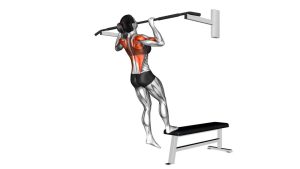
- Bring the chin over the bar: Continue until the chin clears the bar or the upper chest approaches it, depending on mobility and control.
- Pause briefly at the top: Squeeze the back without craning the neck.
- Lower slowly: Return under control until the elbows fully extend again.
- Reset and repeat: Let the next rep begin from a stable bottom position instead of bouncing.
Pro Tips & Common Mistakes
- Use full range: Start from a dead hang and finish with the chin above the bar whenever possible.
- Lead with the chest: A proud chest helps the torso stay organized and improves upper-back mechanics.
- Pull the elbows toward the ribs: This usually creates a better back-focused line of pull.
- Control the eccentric: A slow lowering phase builds more strength than dropping quickly.
- Avoid neck craning: Don’t jut the chin forward just to “reach” the top.
- Don’t swing: Kipping, leg kicking, and body rocking reduce tension where you want it most.
- Watch the bottom position: Hanging passively is fine, but avoid repeatedly slamming into the shoulders at the bottom of each rep.
- Progress intelligently: Use band assistance, eccentric reps, or isometric holds if full reps are not yet consistent.
FAQ
Does the close-grip chin-up work the back or the biceps more?
It works both, but the lats remain the primary driver while the biceps and forearms contribute strongly because of the supinated grip. That is one reason this variation often feels more natural than an overhand pull-up.
Is close-grip chin-up good for building lats?
Yes. It is an excellent vertical pulling movement for the lats, especially when you keep the torso controlled and drive the elbows down instead of relying on momentum.
What if I cannot do a full close-grip chin-up yet?
Start with assistance bands, eccentric-only reps, isometric top holds, or an assisted pull-up machine. These progressions help you build the strength needed for clean full reps.
How narrow should my grip be?
Close-grip usually means shoulder-width or slightly narrower. You do not need to force the hands extremely close together if that position irritates the wrists or elbows.
Can I add weight to this exercise?
Yes. Once you can perform solid bodyweight sets with full range and no swinging, a dip belt is a great way to progress for strength and hypertrophy.
Recommended Equipment
- Doorway Pull-Up Bar — practical home setup for chin-ups, pull-ups, hangs, and basic upper-body pulling work
- Pull-Up Assist Bands — useful for building rep quality, reducing load, and progressing toward strict bodyweight reps
- Dip Belt — ideal for adding external load once standard close-grip chin-ups become too easy
- Lifting Straps — optional support when grip fatigue limits back-focused training volume
- Gym Chalk / Liquid Chalk — improves bar grip and helps keep reps more secure during hard sets
Tip: For most lifters, the best first purchase is a solid pull-up bar plus an assistance band. Add a dip belt later when bodyweight reps are already strong and repeatable.