Cable Close-Grip Front Lat Pulldown: Form, Muscles Worked, Sets, Tips & FAQ
Learn how to perform the Cable Close-Grip Front Lat Pulldown with proper form. Discover muscles worked, setup, step-by-step execution, sets and reps by goal, common mistakes, FAQs, and recommended equipment.
Cable Close-Grip Front Lat Pulldown
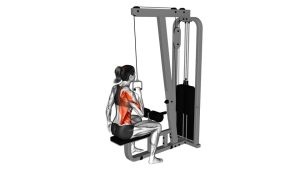
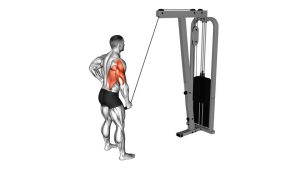
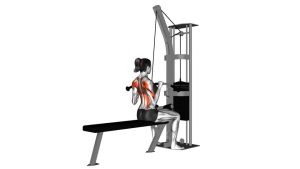
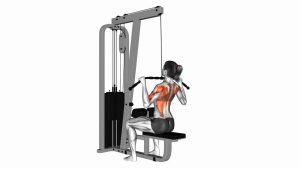
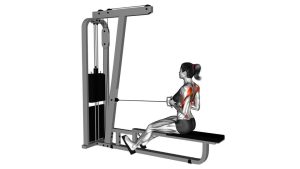
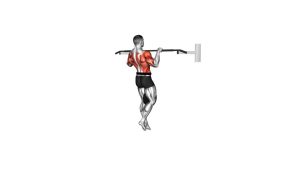
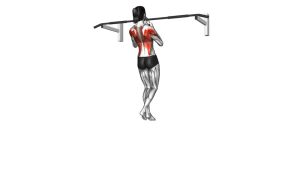
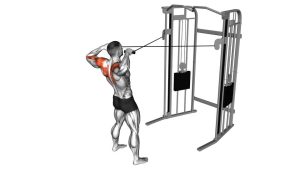
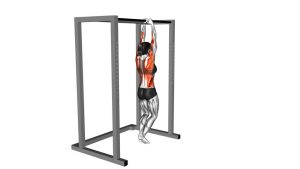
This exercise is ideal for lifters who want a dependable lat-focused movement that is easier to control than some wider-grip variations. In the video, the athlete performs the rep with a stable seated position, full overhead extension, a smooth elbow drive downward, and a clean finish with the handle pulled to the front of the upper torso. The back-view angle clearly shows strong lat engagement, shoulder blade control, and minimal body swing.
Quick Overview
| Body Part | Back |
|---|---|
| Primary Muscle | Latissimus dorsi |
| Secondary Muscle | Rhomboids, teres major, lower trapezius, biceps, brachialis, rear delts |
| Equipment | Cable lat pulldown machine with close neutral-grip attachment |
| Difficulty | Beginner to Intermediate |
Sets & Reps (By Goal)
- Muscle growth: 3–4 sets × 8–12 reps with controlled tempo and a full stretch
- Strength focus: 4–5 sets × 5–8 reps using heavier loads without sacrificing form
- Technique practice: 2–3 sets × 10–15 reps with moderate weight and clean scapular control
- Back workout finisher: 2–3 sets × 12–15 reps with a strong peak contraction
Progression rule: Add reps first, then increase the load in small steps once you can keep the torso steady, reach full arm extension, and pull the handle down with the elbows instead of jerking with the hands.
Setup / Starting Position
- Set the seat and thigh pad: Adjust the machine so your thighs are locked in securely and your feet stay flat.
- Attach the handle: Use a close neutral-grip row or pulldown handle that allows your palms to face each other.
- Take your grip: Reach overhead and grasp the handle firmly with both hands centered.
- Sit tall: Lift the chest, brace the core lightly, and keep a slight natural lean without over-arching the lower back.
- Start with a full stretch: Arms extend overhead, shoulders rise naturally, and the lats lengthen at the top.
Tip: A small backward lean is fine, but your torso should stay mostly fixed throughout the set.
Execution (Step-by-Step)
- Initiate with the shoulder blades: Begin by pulling the shoulders down away from the ears before bending the elbows.
- Drive the elbows down: Pull the handle toward the upper chest or lower sternum while keeping the elbows close to the body.
- Keep the chest proud: Let the chest rise slightly as the handle comes down, but do not turn the rep into a backward swing.
- Squeeze at the bottom: Pause briefly when the lats are fully contracted and the elbows are close to the sides.
- Return under control: Slowly extend the arms overhead and allow the lats to stretch without losing posture.
- Repeat smoothly: Use the same path on every rep and avoid bouncing at the top or bottom.
Pro Tips & Common Mistakes
- Pull with your elbows: Think about driving the elbows down rather than pulling with the hands.
- Do not over-lean: Too much backward lean reduces lat tension and turns the exercise into a rowing hybrid.
- Use full range of motion: Reach into a complete stretch at the top, then pull into a strong contraction at the bottom.
- Avoid shoulder shrugging: Keep the traps from taking over by actively pulling the shoulders down first.
- Control the eccentric: The return phase is where a lot of lat stimulus is built, so do not let the stack snap upward.
- Do not yank with momentum: A controlled tempo improves lat engagement and reduces stress on the shoulders and elbows.
- Keep wrists neutral: Avoid excessive wrist curling or grip tension that shifts too much work into the forearms.
FAQ
What muscles does the cable close-grip front lat pulldown work most?
The main target is the latissimus dorsi. It also trains the rhomboids, teres major, lower traps, biceps, and other elbow flexors that assist during the pull.
Is a close grip better than a wide grip for lat pulldowns?
Not always better, but often easier to control. A close neutral grip can feel more natural on the shoulders and may help some lifters keep better elbow path and lat tension.
Where should I pull the handle?
Pull the handle to the front of the upper torso, usually around the upper chest or lower sternum, while keeping the chest lifted and the elbows moving down close to the ribs.
Should I lean back during the rep?
A slight lean is normal, but excessive leaning turns the movement into more of a row. Keep the torso stable and let the lats do the work.
Can beginners use this exercise?
Yes. This is a beginner-friendly machine-based back exercise because the path is simple to learn and the load is easy to adjust.
Recommended Equipment (Optional)
- Close-Grip Pulldown Handle — ideal for neutral-grip pulldowns and close-elbow back work
- Lat Pulldown Attachment Set — useful for rotating between close, neutral, and wider pulldown variations
- Lifting Straps — helps reduce grip fatigue so you can focus more on lat contraction
- Padded Wrist Straps — useful for longer back sessions and heavier pulling sets
- Double-D Row / Pulldown Handle — a compact attachment that works especially well for close-grip vertical pulling
Tip: Choose attachments with comfortable knurling or rubber grips and a smooth swivel connection for better hand comfort and cleaner pulling mechanics.