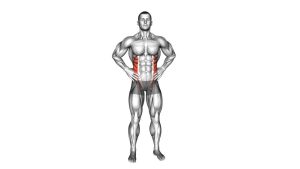
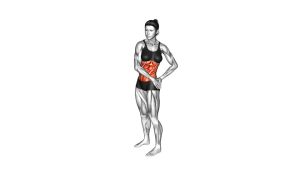
Standing Back Rotation Stretch: Proper Form, Benefits, Sets & FAQ
Learn how to do the Standing Back Rotation Stretch with proper form. Improve thoracic mobility, reduce back stiffness, and enhance posture with setup tips, step-by-step execution, FAQs, and recommended equipment.
Standing Back Rotation Stretch
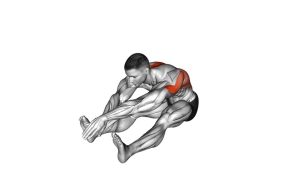
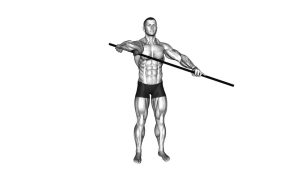
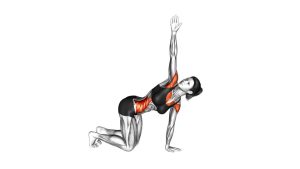
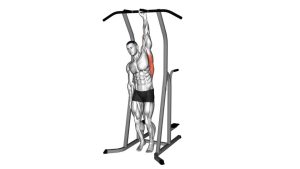
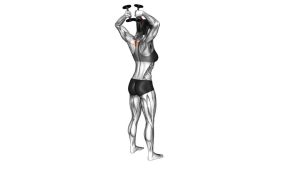
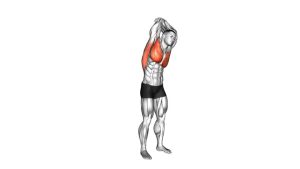
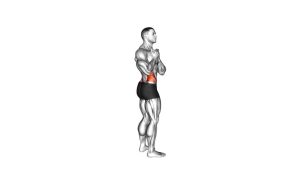
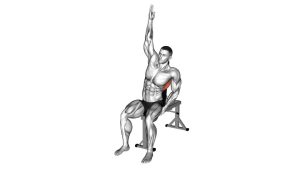
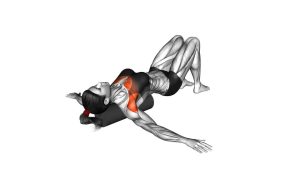
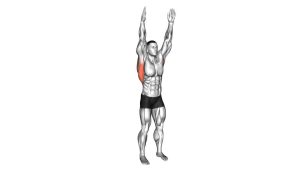
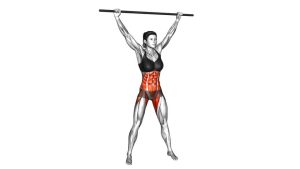
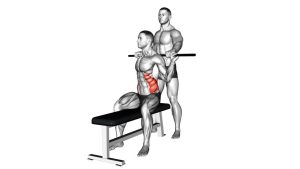
Based on the movement shown, this exercise is performed in a tall standing stance with a relaxed upper body and controlled side-to-side rotation. It is best used as a warm-up, a mobility reset, or part of a posture-focused routine. The emphasis should stay on rotating through the upper and mid-back while the hips remain mostly steady and the neck follows naturally without strain.
Quick Overview
| Body Part | Back |
|---|---|
| Primary Muscle | Thoracic spinal rotators and obliques |
| Secondary Muscle | Rhomboids, middle traps, erector spinae, deep core stabilizers |
| Equipment | None |
| Difficulty | Beginner |
Sets & Reps (By Goal)
- Warm-up before training: 1–2 sets × 8–12 rotations per side
- Daily mobility work: 2–3 sets × 10–15 rotations per side
- Posture and stiffness relief: 2–3 sets × 8–10 slow reps per side with a brief pause at end range
- Desk-break reset: 1–2 sets × 6–8 easy reps per side
Progression rule: Increase control and range before increasing total reps. The quality of rotation matters more than speed or volume.
Setup / Starting Position
- Stand tall: Place your feet about hip- to shoulder-width apart for balance.
- Soften the knees: Keep a slight bend instead of locking them out.
- Brace lightly: Engage the core just enough to keep the lower back stable.
- Relax the shoulders: Let the upper traps stay loose and avoid shrugging.
- Position the arms naturally: Keep them relaxed in front of the body or allow them to move gently with the rotation.
- Start in neutral: Face forward with a long spine and stacked posture.
Tip: A stable stance makes it easier to rotate from the thoracic spine instead of shifting excessively through the hips or lower back.
Execution (Step-by-Step)
- Establish posture: Stand upright with the chest open, ribs stacked, and head aligned over the torso.
- Initiate from the upper body: Begin rotating your torso to one side from the mid-back, not by swinging the arms.
- Keep the hips mostly forward: Allow only minimal lower-body movement so the upper back does the work.
- Let the head follow naturally: Turn the gaze with the torso, but do not crank the neck independently.
- Reach a gentle end range: Stop when you feel a comfortable stretch through the upper or mid-back.
- Return to center: Move back under control without bouncing.
- Repeat to the other side: Alternate sides in a smooth, rhythmic pattern.
Pro Tips & Common Mistakes
- Rotate through the thoracic spine: Focus on the ribcage and mid-back, not the lumbar spine.
- Use the arms passively: They can travel with the movement, but they should not generate momentum.
- Stay tall: Avoid slouching forward or collapsing the chest during the twist.
- Keep the knees soft: Locked knees can make the movement feel stiff and less natural.
- Do not force range: A moderate, comfortable rotation is more effective than an aggressive twist.
- Breathe normally: Exhale gently as you rotate to encourage relaxation and smoother mobility.
- Avoid jerking side to side: Fast, uncontrolled twisting reduces the stretch and may irritate the back.
FAQ
Where should I feel the Standing Back Rotation Stretch?
You should usually feel it through the mid-back, upper back, and around the ribcage. Some people also notice light core involvement through the obliques. You should not feel sharp pain in the lower back.
Is this exercise good for posture?
Yes, it can help improve thoracic mobility, which supports better posture and more comfortable upper-body movement, especially for people who sit for long periods.
Can I use this as part of my warm-up?
Absolutely. It works well before upper-body workouts, mobility sessions, or general movement preparation because it helps loosen the back without requiring equipment.
Should my hips move during the stretch?
A small amount of natural movement is fine, but the main rotation should come from the thoracic spine. If the hips and lower back dominate the motion, the stretch becomes less targeted.
Who should be careful with this exercise?
Anyone with acute back pain, recent spinal injury, or strong pain during twisting should be cautious. Keep the motion gentle and consult a qualified professional if symptoms are severe or persistent.
Recommended Equipment (Optional)
- Yoga Mat — useful for pairing this stretch with floor-based mobility drills and warm-up work
- Foam Roller — helpful for improving thoracic extension and reducing back stiffness before stretching
- Resistance Bands Set — useful for pairing mobility work with light rowing, pull-aparts, and posture exercises
- Massage Ball / Peanut Massage Ball — can help release tight upper-back muscles before mobility sessions
- Stretching Strap — a useful add-on for full-body flexibility and mobility routines
Tip: These tools are optional. The exercise itself works well with no equipment, as long as you stay controlled and rotate within a pain-free range.