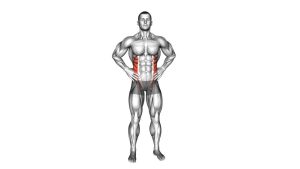
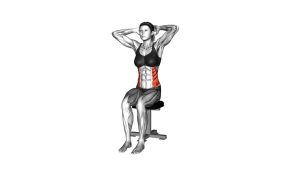
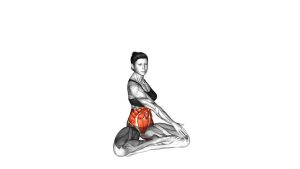
Standing Abs Rotation Stretch: Form, Benefits, Sets, Tips & FAQ
Learn the Standing Abs Rotation Stretch for core mobility, oblique activation, and better torso control with clear form tips, sets, FAQs, and equipment.
Standing Abs Rotation Stretch
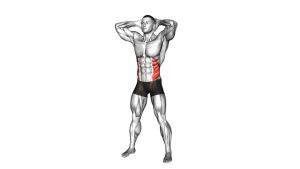
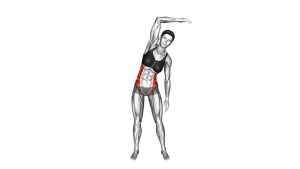
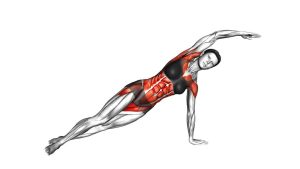
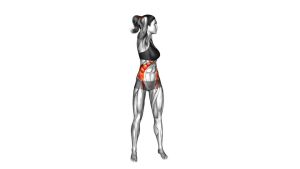
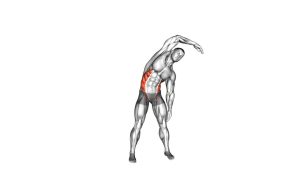
This exercise works best as a dynamic core warm-up, a light mobility drill, or a gentle standing stretch between strength movements. Because the movement is performed without visible equipment, it is easy to use before ab workouts, full-body training, sports practice, or long desk sessions. Moreover, the alternating rotation helps you practice trunk control without needing to lie on the floor.
Quick Overview
| Body Part | Core |
|---|---|
| Primary Muscle | Obliques |
| Secondary Muscle | Rectus abdominis, transverse abdominis, spinal rotators, lower back stabilizers |
| Equipment | No equipment required |
| Difficulty | Beginner |
Sets & Reps (By Goal)
- Warm-up: 1–2 sets × 20–30 total rotations at a smooth pace.
- Mobility practice: 2–3 sets × 30–45 seconds with controlled breathing.
- Desk-break reset: 1–2 sets × 10–20 total rotations with relaxed shoulders.
- Core activation: 2–3 sets × 12–16 total rotations before ab training.
Progression rule: First improve control and smoothness. Then, slightly increase the duration or range of motion without twisting aggressively.
Setup / Starting Position
- Stand tall: Place your feet about hip-width apart and keep your weight balanced.
- Set your posture: Keep your chest lifted, ribs controlled, and spine upright.
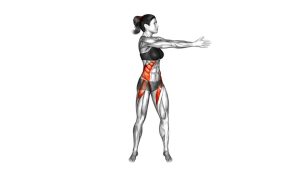
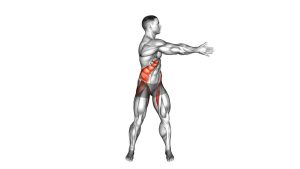
- Position your arms: Raise your arms in front of your torso around chest level, similar to the video.
- Relax your shoulders: Avoid shrugging before you begin the rotation.
- Brace lightly: Keep the abs gently active so the movement stays controlled.
Tip: Keep your hips mostly stable. The visible movement should come mainly from the torso and shoulders.
Execution (Step-by-Step)
- Start in the center: Stand upright with your arms held in front of your body.
- Rotate to one side: Turn your upper torso smoothly while your arms travel with the rotation.
- Keep control: Let your head and shoulders follow the twist without leaning forward or backward.
- Return to center: Rotate back slowly until your shoulders face forward again.
- Switch sides: Repeat the same motion to the opposite side.
- Continue rhythmically: Alternate left and right with an even, relaxed tempo.
Pro Tips & Common Mistakes
- Rotate through the torso: Do not simply swing your arms side to side.
- Stay tall: Avoid rounding the upper back as you rotate.
- Keep the hips calm: Small hip movement is natural, but the main action should stay in the trunk.
- Use a moderate range: Do not force the twist if your back feels tight.
- Control the tempo: Move smoothly instead of using momentum.
- Breathe normally: Exhale gently as you rotate, then inhale as you return through center.
- Match both sides: Rotate evenly left and right to avoid favoring one side.
FAQ
What muscles does the Standing Abs Rotation Stretch work?
It mainly targets the obliques through controlled trunk rotation. Additionally, the abs, transverse abdominis, spinal rotators, and lower back stabilizers assist with posture and control.
Is this exercise a stretch or a core exercise?
It can be both. When performed slowly, it works well as a dynamic stretch. However, when you lightly brace and control each rotation, it also becomes a gentle core activation drill.
Should my hips rotate during the movement?
Your hips may move slightly, but they should not drive the exercise. For better core control, keep the lower body mostly stable and rotate mainly through the upper torso.
Can beginners do the Standing Abs Rotation Stretch?
Yes. This is a beginner-friendly movement because it uses no equipment and allows a comfortable range of motion. Still, beginners should move slowly and avoid forcing the twist.
When should I use this exercise?
Use it before core workouts, strength training, sports drills, or after sitting for a long time. Furthermore, it works well as a quick standing mobility reset.
Recommended Equipment (Optional)
- Exercise Mat — useful for pairing this standing drill with floor-based core exercises.
- Resistance Bands Set — helpful for progressing into anti-rotation and rotational core drills.
- Foam Roller — useful for upper-back mobility before torso rotation work.
- Yoga Blocks — helpful for supported mobility routines and beginner stretching setups.
- Full-Length Workout Mirror — useful for checking posture, shoulder position, and rotation symmetry.
Tip: This exercise does not require equipment. These tools are optional additions for warm-ups, mobility routines, and form feedback.