Standing Reach-Up Back Rotation Stretch: Form, Benefits, Sets & FAQ
Learn how to do the Standing Reach-Up Back Rotation Stretch with proper form. Improve upper-back mobility, thoracic rotation, shoulder flexibility, and posture with step-by-step instructions, tips, FAQs, and recommended equipment.
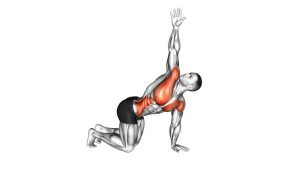
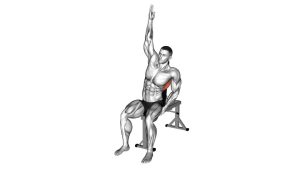
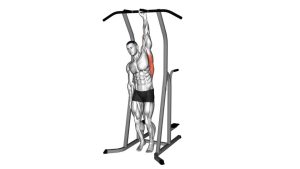
Standing Reach-Up Back Rotation Stretch
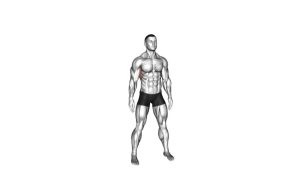
This stretch is most effective when performed slowly and with intention. The goal is to feel a smooth, comfortable stretch through the upper back and side of the torso while keeping the movement controlled. You should notice the torso rotating through the thoracic spine, not the lower back twisting excessively. Keep the shoulders relaxed, the ribs under control, and avoid turning the movement into a fast side bend.
Quick Overview
| Body Part | Upper Back |
|---|---|
| Primary Muscle | Thoracic erectors and latissimus dorsi |
| Secondary Muscle | Rear deltoids, obliques, serratus anterior, and mid traps |
| Equipment | None |
| Difficulty | Beginner (easy to learn, useful for daily mobility and warm-ups) |
Sets & Reps (By Goal)
- Daily mobility: 2–3 sets × 6–10 reps per side with slow, relaxed motion
- Warm-up before upper-body training: 1–2 sets × 5–8 reps per side
- Posture reset / desk break: 1–2 sets × 4–6 reps per side with an easy range
- Flexibility focus: 2–4 sets × 20–30 seconds per side if performed as a held stretch
Progression rule: Increase control and range gradually. Aim for smoother rotation and better overhead positioning before adding more reps or longer holds.
Setup / Starting Position
- Stand tall: Place your feet about hip-width apart with knees soft and posture upright.
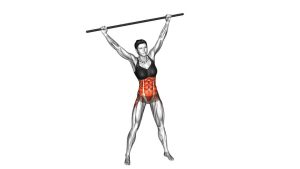
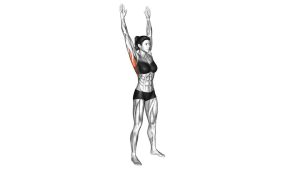
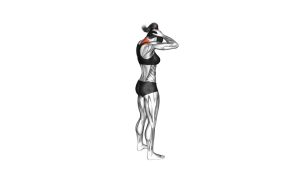
- Reach overhead: Lift both arms overhead and lightly hold one elbow or wrist with the opposite hand.
- Brace lightly: Keep your core gently engaged so the ribs do not flare too much.
- Stack the torso: Lengthen through the spine and keep the chest lifted without leaning backward.
- Stabilize the hips: Keep the pelvis mostly facing forward so the movement comes from the upper body.
Tip: Think “reach up first, rotate second.” Creating length through the body makes the stretch cleaner and more effective.
Execution (Step-by-Step)
- Set the reach: Extend your arms overhead and grow tall through the fingertips.
- Rotate gradually: Turn the upper torso gently to one side while maintaining the overhead position.
- Add a slight side stretch: Let the movement create a diagonal stretch through the side of the torso and upper back.
- Keep the lower body quiet: Avoid excessive hip shifting or twisting through the low back.
- Pause briefly: Hold the end position for a second or two while breathing calmly.
- Return with control: Come back to the starting position slowly and repeat before switching sides.
Pro Tips & Common Mistakes
- Reach upward before rotating: This improves spinal length and helps target the upper back more effectively.
- Move from the thoracic spine: Try not to dump the motion into the lower back.
- Keep the neck relaxed: Let the head follow naturally without straining or craning upward.
- Don’t yank the arm: The top hand should guide the position, not force a deeper stretch.
- Avoid rushing: Slow, controlled reps create a better mobility effect than quick swinging.
- Keep the shoulders down: Reach long overhead, but do not shrug aggressively into the ears.
- Breathe through the stretch: Steady breathing helps reduce tension and improves movement quality.
FAQ
Where should I feel this stretch the most?
Most people feel it through the upper back, lats, and the side of the torso. Depending on your mobility, you may also notice a light stretch through the shoulders.
Is this a stretch or a mobility exercise?
It can be both. When done in slow repetitions, it works as a mobility drill. When held briefly at end range, it acts more like a targeted stretch.
Can I do this before a workout?
Yes. It works well before upper-body sessions, especially before rows, pull-ups, pulldowns, and overhead training, because it helps prepare the upper back and shoulders for movement.
Should my hips rotate too?
A tiny amount is normal, but the main goal is to move through the thoracic spine. Keep the hips mostly stable so the stretch targets the upper torso rather than the low back.
Who should be cautious with this exercise?
Anyone with a recent shoulder injury, acute back pain, or painful spinal rotation should use a reduced range or skip the movement until cleared by a qualified professional.
Recommended Equipment (Optional)
- Yoga Mat — useful for warm-up and mobility routines before or after training
- Stretching Strap — can help with shoulder mobility drills and flexibility work
- Foam Roller — great for pairing with thoracic mobility and upper-back recovery work
- Resistance Bands Set — useful for adding upper-back activation work alongside mobility training
- Massage Peanut Ball — helpful for releasing upper-back tension before stretching sessions
Tip: Use mobility tools to support better movement quality, not to force more range than your body can control comfortably.