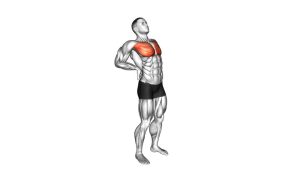
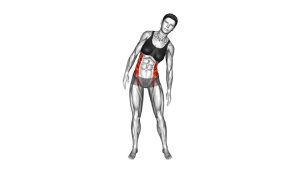
Side Bow Stretch: Form, Benefits, Muscles Worked, Tips & FAQ
Learn the Side Bow Stretch to improve lateral flexibility, stretch obliques and lats, and practice safe standing side-bend form.
Side Bow Stretch
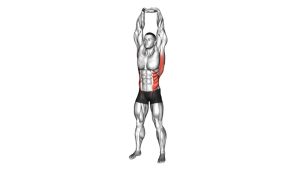
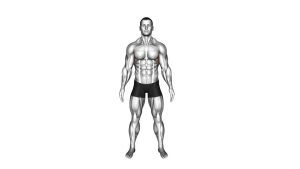
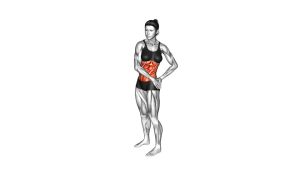
This stretch works best when the body stays tall, the feet remain grounded, and the overhead arm follows the natural curve of the torso. Additionally, the movement should feel smooth and controlled from start to finish. You should feel length through the side of the waist, ribs, and shoulder line, rather than pressure in the lower back.
Quick Overview
| Body Part | Obliques |
|---|---|
| Primary Muscle | Obliques |
| Secondary Muscle | Latissimus dorsi, intercostals, quadratus lumborum, shoulder stabilizers |
| Equipment | None |
| Difficulty | Beginner |
Sets & Reps (By Goal)
- Daily mobility: 2–3 sets × 20–30 seconds per side
- Warm-up preparation: 1–2 sets × 6–8 slow reps per side
- Flexibility focus: 3–4 sets × 30–45 seconds per side
- Desk-break reset: 1–2 sets × 15–25 seconds per side
Progression rule: First, increase the hold time gradually. Then, deepen the side bend only if your hips stay stable and your torso does not rotate.
Setup / Starting Position
- Stand tall: Place your feet about shoulder-width apart and keep your weight balanced.
- Set your posture: Keep your chest open, spine long, and shoulders relaxed.
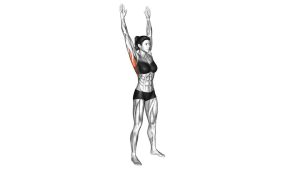
- Raise one arm: Reach one arm overhead with the elbow extended.
- Keep the other arm low: Let the opposite arm rest naturally by your side or slide lightly along the thigh.
- Brace gently: Keep the ribs controlled so the stretch stays clean and does not turn into a backbend.
Tip: Before bending, reach upward first. This creates space through the side body and helps the stretch feel longer and safer.
Execution (Step-by-Step)
- Begin upright: Stand tall with your feet planted and your gaze forward.
- Reach overhead: Extend one arm upward and lengthen through the fingertips.
- Bend to the opposite side: Slowly lean your torso away from the raised arm.
- Create a bow shape: Let the overhead arm follow the curve of the body while the lower arm slides down the leg.
- Pause at the stretch: Hold the deepest comfortable position without bouncing.
- Return with control: Lift the torso back to center and lower the arm smoothly.
- Repeat on the other side: Match the same tempo and range on both sides.
Pro Tips & Common Mistakes
- Reach before you bend: Lengthening upward first helps the side bend feel smoother.
- Avoid twisting: Keep the movement in the frontal plane instead of turning the torso.
- Do not bounce: Use a steady hold or slow repetition to protect the spine and ribs.
- Keep both feet grounded: Stable feet help the stretch travel through the side body instead of the knees or hips.
- Control the ribs: Avoid flaring the ribs upward, especially near the deepest position.
- Stay relaxed: The neck and jaw should not tense as the arm reaches overhead.
- Match both sides: If one side feels tighter, reduce range and spend extra time breathing into the stretch.
FAQ
What muscles does the Side Bow Stretch target?
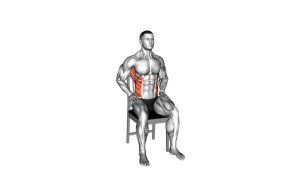
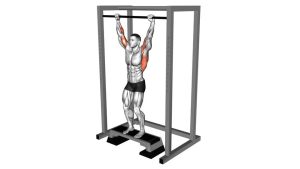
The Side Bow Stretch mainly targets the obliques and side waist. Additionally, it can stretch the lats, intercostals, and side trunk depending on your arm position and range of motion.
Is the Side Bow Stretch good for beginners?
Yes. It is beginner-friendly because it uses no equipment and allows a comfortable range of motion. However, beginners should move slowly and avoid forcing the stretch.
Should I feel this stretch in my lower back?
You may feel mild length through the side of the lower trunk. However, sharp pressure, pinching, or compression in the lower back means you should reduce the range and keep the torso taller.
Should I hold the stretch or move in and out?
Both options work. For warm-ups, use slow repetitions. For flexibility, hold the stretch for 20–45 seconds while breathing calmly.
Can I do the Side Bow Stretch every day?
Yes, many people can perform it daily at low intensity. Still, keep the stretch comfortable and avoid pushing into pain or fatigue.
Recommended Equipment (Optional)
- Yoga Mat — provides a stable surface for warm-ups, stretching, and mobility sessions
- Stretching Strap — useful for assisted flexibility work and controlled stretching routines
- Yoga Blocks — helpful for support during mobility drills and modified stretching positions
- Foam Roller — useful for pre-stretch soft tissue work around the back, lats, and hips
- Mobility Massage Ball — helps release tight areas around the side body, upper back, and hips before stretching
Tip: Equipment is optional for this exercise. However, a stable mat and simple mobility tools can make your stretching routine more comfortable and consistent.