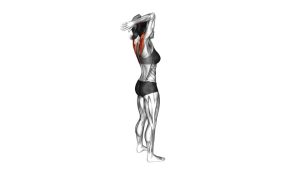
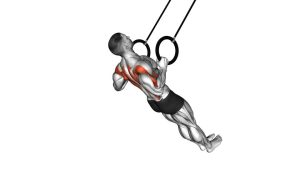
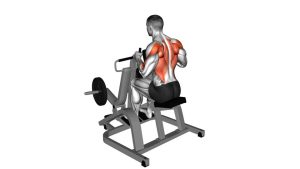
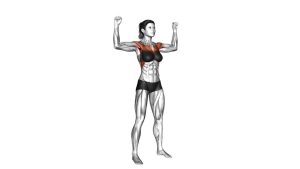
Bodyweight Standing Scapula Row: Form, Muscles Worked, Sets, Tips & FAQ
Learn how to do the Bodyweight Standing Scapula Row with proper form. Discover muscles worked, setup, execution steps, sets by goal, common mistakes, FAQs, and recommended equipment.
Bodyweight Standing Scapula Row
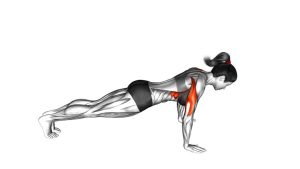
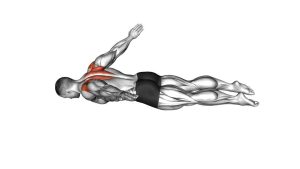
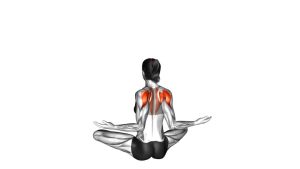
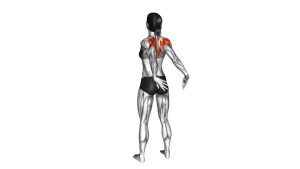
This exercise looks simple, but proper execution depends on precision rather than range of motion. The goal is to create movement through the shoulder blades, not the elbows, wrists, or lower back. When performed correctly, you should feel the upper back working as the chest opens and the shoulder blades glide toward the spine. It is especially useful as a warm-up, posture drill, or beginner-friendly activation movement before heavier back training.
Quick Overview
| Body Part | Back |
|---|---|
| Primary Muscle | Rhomboids and middle trapezius |
| Secondary Muscle | Rear deltoids, lower traps, rotator cuff stabilizers |
| Equipment | Bodyweight only |
| Difficulty | Beginner |
Sets & Reps (By Goal)
- Warm-up / activation: 2–3 sets × 10–15 reps with slow, clean control
- Posture improvement: 2–4 sets × 12–20 reps with a brief squeeze at the back
- Mind-muscle connection for back training: 2–3 sets × 8–12 reps before rows or pulldowns
- Rehab-style scapular control: 2–3 sets × 6–10 reps with 2–3 second peak holds
Progression rule: First improve control, pause quality, and consistency. Add reps or longer squeezes before increasing exercise difficulty or pairing it with resistance work.
Setup / Starting Position
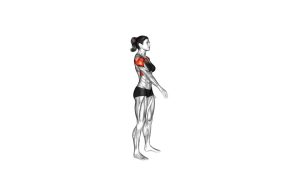
- Stand tall: Place your feet about hip-width to shoulder-width apart and keep your body upright.
- Reach the arms forward: Extend both arms straight out in front of you at about chest height.
- Keep the elbows locked softly: Maintain straight arms without hyperextending the joints.
- Set a neutral torso: Brace the core lightly and avoid arching the lower back.
- Relax the neck and shoulders: Start with the shoulders down and the shoulder blades slightly apart.
Tip: Think of this as a shoulder blade movement, not an arm exercise. The setup should feel tall, stable, and tension-free before the first rep begins.
Execution (Step-by-Step)
- Start in the reach position: Extend the arms forward while keeping the chest neutral and the elbows straight.
- Pull the shoulder blades back: Retract the scapulae by drawing them toward the spine without bending the elbows.
- Open the chest slightly: Let the chest broaden naturally as the upper back contracts, but do not lean backward.
- Squeeze briefly: Pause for 1–2 seconds at the fully retracted position and feel the rhomboids and middle traps engage.
- Return under control: Slowly allow the shoulder blades to move apart again until you return to the start position.
- Repeat smoothly: Maintain the same range and tempo on every rep without using momentum.
Pro Tips & Common Mistakes
- Keep the arms straight: Bending the elbows shifts tension away from scapular control and turns it into a different exercise.
- Use a small range: You do not need a huge movement. A clean squeeze is more effective than exaggerated motion.
- Avoid shrugging: Keep the shoulders down so the middle back does the work instead of the upper traps taking over.
- Do not lean back: Stay upright and let the scapulae create the movement.
- Move slowly: A controlled tempo improves muscle awareness and makes the drill more effective.
- Pair it with rows or pulldowns: This is an excellent primer to help you feel your back better before heavier lifts.
FAQ
What muscles does the Bodyweight Standing Scapula Row work?
The main muscles are the rhomboids and middle trapezius. Secondary help comes from the rear delts, lower traps, and smaller shoulder stabilizers.
Is this the same as a regular row?
No. A regular row uses elbow flexion and larger arm movement. This drill keeps the arms straight and focuses specifically on scapular retraction.
Is this exercise good for posture?
Yes. It can help strengthen the upper-back muscles that oppose rounded shoulders and poor scapular control, especially when combined with other back and mobility work.
Should I feel this in my arms?
Not much. You should mainly feel the movement in the mid-upper back. If your arms dominate, you are probably bending the elbows or using too much tension.
When should I use this exercise in a workout?
It works best in the warm-up, activation phase, or at the start of a back session to improve scapular awareness before rows, pulldowns, or pull-ups.
Recommended Equipment
- Resistance Bands Set — useful for progressing from bodyweight scapular control into light resistance pulling drills
- Loop Exercise Bands — helpful for shoulder activation, scapular warm-ups, and upper-back prep work
- Posture Corrector Brace — can serve as a temporary awareness tool while improving posture habits and upper-back engagement
- Foam Roller — useful for thoracic mobility work that complements scapular retraction exercises
- Exercise Mat — convenient for pairing this drill with floor-based shoulder, posture, and mobility exercises
Tip: This exercise does not require equipment, but the tools above can help build a more complete posture, shoulder-control, and upper-back training routine.