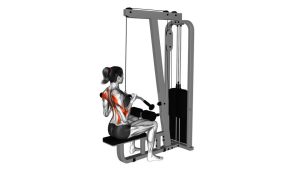
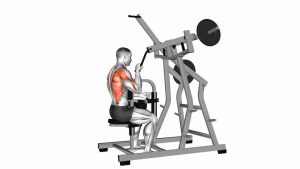
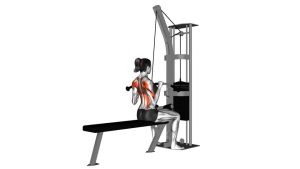
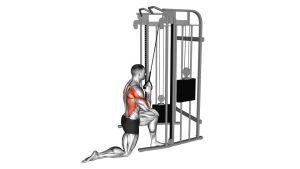
Lever Cross Lat Pulldown: Proper Form, Muscles Worked, Sets, Tips & FAQ
Learn how to perform the Lever Cross Lat Pulldown with proper form for better lat activation, back width, and controlled upper-body strength. Includes muscles worked, setup, execution, sets and reps, mistakes, FAQs, and recommended equipment.
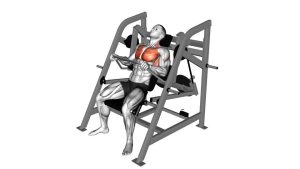
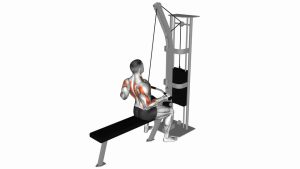
Lever Cross Lat Pulldown
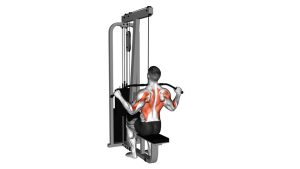
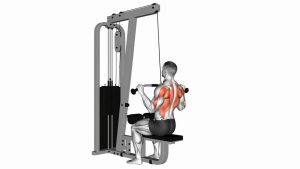
This exercise is especially effective for lifters who want to emphasize the latissimus dorsi without relying on excessive momentum or turning the movement into a row. The machine setup helps guide the pulling path, which makes it easier to focus on driving the elbows down, keeping the chest lifted, and maintaining tension through the full range of motion. Performed correctly, it delivers an excellent combination of stretch at the top and contraction at the bottom.
Quick Overview
| Body Part | Back |
|---|---|
| Primary Muscle | Latissimus dorsi |
| Secondary Muscle | Teres major, rhomboids, lower traps, biceps, rear delts |
| Equipment | Lever lat pulldown machine with independent or converging arms |
| Difficulty | Beginner to Intermediate |
Sets & Reps (By Goal)
- Muscle growth: 3–4 sets × 8–12 reps with controlled tempo and full range of motion
- Back width focus: 3–5 sets × 10–15 reps with strong peak contraction at the bottom
- Strength emphasis: 4–5 sets × 6–8 reps with heavier load and strict form
- Technique practice: 2–3 sets × 12–15 reps using light to moderate weight
Progression rule: Increase weight only after you can maintain a full stretch, a clean elbow path, and a controlled return without swinging.
Setup / Starting Position
- Adjust the machine: Set the seat height so you can reach the handles comfortably while keeping your knees secured under the thigh pads.
- Take your grip: Grab the independent handles with a neutral or slightly angled grip, depending on the machine design.
- Set your posture: Sit tall with your chest up, spine neutral, and core lightly braced.
- Start with a full stretch: Let your arms extend overhead while keeping tension in the shoulders and lats rather than hanging passively.
- Keep the torso stable: Maintain only a slight natural lean, not a dramatic backward rock.
Tip: Before the first rep, think about pulling your elbows down rather than pulling with your hands. This cue often improves lat engagement immediately.
Execution (Step-by-Step)
- Initiate with the shoulders: Begin by drawing the shoulders down slightly to avoid shrugging into the rep.
- Pull the handles down and inward: Drive your elbows toward your sides as the machine arms travel in a converging arc.
- Keep the chest proud: Stay tall through the torso and avoid collapsing forward or throwing the body backward.
- Squeeze at the bottom: Bring the handles toward the upper chest or upper outer torso area, depending on the machine path, and briefly contract the lats.
- Return under control: Slowly guide the handles upward until the arms are fully extended again and the lats are stretched.
- Repeat smoothly: Maintain the same path and tempo on every rep without bouncing or rushing.
Pro Tips & Common Mistakes
- Lead with the elbows: This helps shift the focus from the arms into the lats.
- Use the stretch: Let the lats lengthen at the top without losing posture.
- Pause briefly at peak contraction: A short squeeze at the bottom improves lat recruitment.
- Do not turn it into a row: Excessive backward lean changes the exercise and reduces lat isolation.
- Avoid shrugging: Keep the upper traps from taking over by depressing the shoulders gently before pulling.
- Control the eccentric: The return phase is where a lot of hypertrophy stimulus is built.
- Do not overload too early: Heavy weight with sloppy form usually shortens range of motion and shifts tension away from the target muscles.
FAQ
What muscles does the Lever Cross Lat Pulldown work most?
The main target is the latissimus dorsi. It also involves the teres major, rhomboids, lower traps, and biceps as assisting muscles.
Is this better than a regular lat pulldown?
It can be a great alternative because the independent converging arms often provide a more natural range of motion and a stronger contraction. Many lifters find it easier to feel their lats on this machine compared with a straight bar.
Should I lean back during the movement?
A small natural lean is fine, but you should not rock the torso aggressively. Too much backward lean turns the pulldown into more of a row and reduces the intended lat emphasis.
How low should I pull the handles?
Pull until you reach a strong lat contraction while keeping the chest lifted and the shoulders controlled. For most machines, that means the handles finish around upper-chest or upper-torso level.
Is this exercise beginner-friendly?
Yes. The guided lever path makes it easier to learn than some free-motion pulldown variations, especially when the weight is kept moderate and form is prioritized.
Recommended Equipment
- Lifting Straps — useful if grip fatigue limits your back training before your lats are fully challenged
- Weightlifting Belt — optional support for heavier pulling sessions when used correctly
- Gym Gloves — can improve comfort and handle feel during high-volume machine work
- Foam Roller — helpful for general upper-back and lat mobility work before or after training
- Resistance Bands Set — useful for warm-up drills, shoulder activation, and additional back volume
Tip: Accessories should support good training, not replace it. Focus first on correct seat setup, stable posture, and controlled reps.