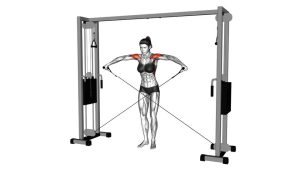
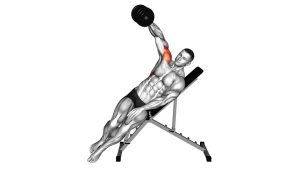
Dumbbell Lateral Raise: Proper Form, Sets, Tips & FAQ
Learn how to do the Dumbbell Lateral Raise with proper form to build wider shoulders and stronger side delts. Includes setup, step-by-step execution, sets by goal, common mistakes, FAQs, and recommended equipment.
Dumbbell Lateral Raise
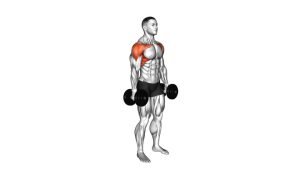
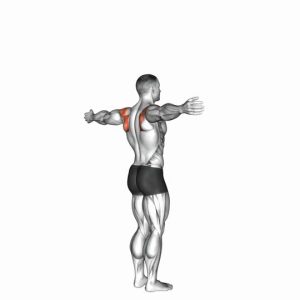
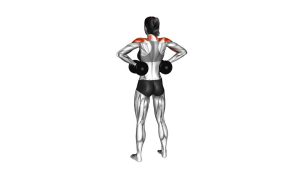
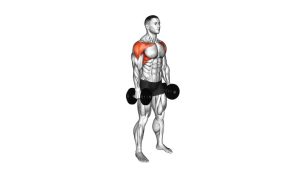
This exercise works best with moderate weight and precise form. In the video, the motion is controlled, the dumbbells travel out to the sides in a clean arc, and the shoulders stay relatively relaxed without excessive body swing. When performed well, the lateral raise helps improve shoulder width, upper-body symmetry, and delt definition.
Quick Overview
| Body Part | Shoulders |
|---|---|
| Primary Muscle | Lateral deltoid (side delts) |
| Secondary Muscle | Anterior deltoid, supraspinatus, upper traps (minimal when form is strict) |
| Equipment | Dumbbells |
| Difficulty | Beginner to Intermediate |
Sets & Reps (By Goal)
- Muscle growth: 3–4 sets × 10–15 reps with controlled tempo and 45–75 sec rest
- Shoulder definition: 3–5 sets × 12–20 reps using light-to-moderate weight and clean form
- Strength foundation: 3–4 sets × 8–12 reps with strict control and no body swing
- Warm-up / activation: 2–3 sets × 12–15 light reps before pressing workouts
Progression rule: Add reps first, then increase the dumbbell weight gradually. If form breaks down, the weight is too heavy for this exercise.
Setup / Starting Position
- Stand tall: Place your feet about hip-width to shoulder-width apart and keep your posture upright.
- Hold the dumbbells at your sides: Use a neutral grip with palms facing inward.
- Set a soft elbow bend: Keep a slight bend in the elbows and maintain it throughout the rep.
- Brace the core: Tighten your midsection lightly to reduce torso movement.
- Relax the upper traps: Keep the shoulders down and avoid shrugging before the lift begins.
Tip: Starting with the dumbbells slightly in front of the thighs can help some lifters find a smoother shoulder path.
Execution (Step-by-Step)
- Initiate the raise: Lift both dumbbells out to the sides in a wide arc.
- Lead with the elbows: Think about moving your elbows outward rather than throwing the hands upward.
- Stop near shoulder height: Raise until your upper arms are about parallel to the floor.
- Pause briefly: Hold the top for a moment while keeping tension on the side delts.
- Lower under control: Bring the dumbbells back down slowly without dropping them or swinging into the next rep.
Pro Tips & Common Mistakes
- Use lighter weights than you think: Lateral raises respond better to strict control than heavy cheating.
- Keep the range clean: Shoulder height is usually enough; going much higher often shifts tension away from the side delts.
- Avoid swinging: Excess torso lean turns the movement into a momentum exercise instead of an isolation drill.
- Don’t shrug at the top: Letting the traps dominate reduces delt emphasis.
- Maintain a soft elbow bend: Locked elbows can make the movement feel harsher on the joints.
- Control the eccentric: The lowering phase is important for building delt tension and muscle growth.
FAQ
What muscles do dumbbell lateral raises target?
The main target is the lateral deltoid, which helps build shoulder width. Secondary involvement comes from the front delts and small stabilizers around the shoulder.
How high should I raise the dumbbells?
In most cases, raising the arms to about shoulder height is ideal. Going much higher often brings the traps more heavily into the movement.
Why do I feel this more in my traps than my shoulders?
That usually happens when the weight is too heavy, the shoulders shrug upward, or momentum is taking over. Lower the load and focus on smooth, controlled reps.
Is it better to do lateral raises with heavy or light weights?
Most lifters get better results with light-to-moderate weights and excellent form. This exercise is about tension and control more than maximal loading.
Can beginners do dumbbell lateral raises?
Yes. Beginners can learn this movement effectively with light dumbbells and a slow tempo. Mastering technique early helps protect the shoulders and improve long-term results.
Recommended Equipment
- Neoprene Dumbbells — ideal for beginners, lighter lateral raises, high-rep shoulder work, and home workouts
- Adjustable Dumbbells — useful when you want multiple weight options without buying several pairs
- Shoulder Resistance Bands — great for warm-ups, shoulder activation, and extra delt volume without heavy joint stress
- Gymreapers Weightlifting Wrist Wraps — helpful if your wrists fatigue during longer shoulder sessions
- Fitgriff Wrist Wraps — a simple support option for added wrist comfort and training stability
Tip: For lateral raises, lighter dumbbells with perfect technique usually outperform heavier weights with sloppy form.