Dumbbell Spell Caster: Form, Muscles, Sets, Tips & FAQ
Learn the Dumbbell Spell Caster for shoulders, core rotation, and full-body control with step-by-step form, sets, tips, FAQs, and gear.
Dumbbell Spell Caster
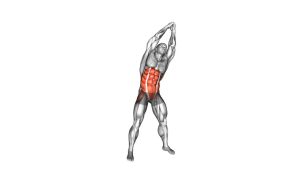
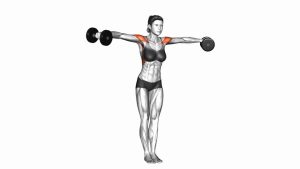
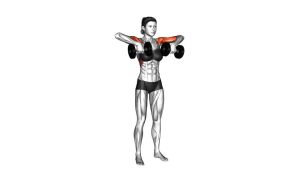
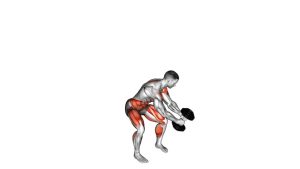
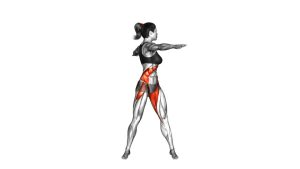
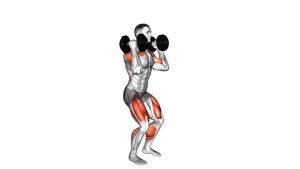
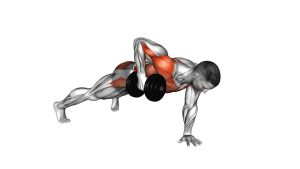
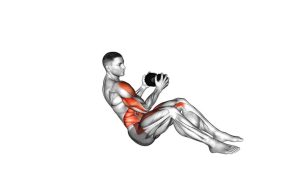
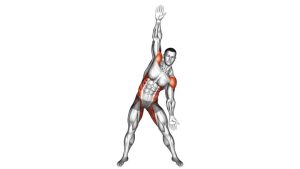
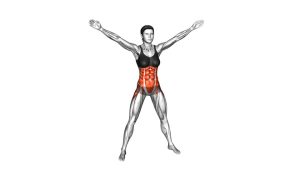
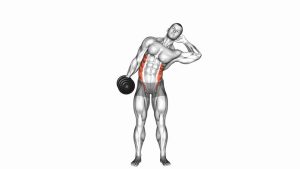
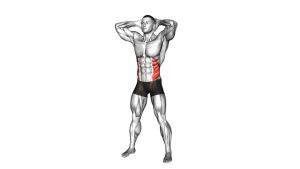
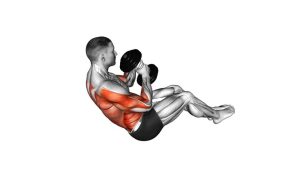
This exercise works best when the dumbbells travel in a clean diagonal line while the torso rotates under control. Although the arms move the weights, the core must stay braced so the spine does not twist aggressively. Therefore, choose light to moderate dumbbells first and focus on rhythm, posture, and a steady finish at the top.
Quick Overview
| Body Part | Shoulders |
|---|---|
| Primary Muscle | Deltoids, especially front and side shoulders |
| Secondary Muscle | Obliques, rectus abdominis, deep core stabilizers, upper back, glutes |
| Equipment | Pair of dumbbells |
| Difficulty | Intermediate because it combines rotation, coordination, and overhead control |
Sets & Reps (By Goal)
- Technique practice: 2–3 sets × 6–8 reps per side with light dumbbells and slow control.
- Core and shoulder endurance: 3–4 sets × 10–12 reps per side with a steady tempo.
- Conditioning finisher: 2–4 rounds × 30–45 seconds, resting 45–75 seconds between rounds.
- Strength-control focus: 3 sets × 6–10 reps per side using moderate weight and strict form.
Progression rule: Add reps first, then increase weight only when you can rotate smoothly, press without leaning back, and keep both feet planted.
Setup / Starting Position
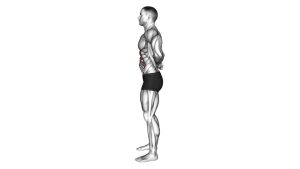
- Stand tall: Place your feet about shoulder-width apart with your knees slightly soft.
- Hold two dumbbells: Keep one dumbbell in each hand and start with the weights low near one side of the body.
- Brace your core: Tighten your midsection lightly before the weights begin moving.
- Set your shoulders: Keep the shoulders down and back instead of shrugging toward the ears.
- Look forward: Keep your head controlled while the torso rotates slightly with the diagonal lift.
Use lighter dumbbells than you would for a standard shoulder press. Because the path is diagonal and rotational, control matters more than heavy loading.
Execution (Step-by-Step)
- Begin from one side: Hold the dumbbells low and slightly across the body while keeping your feet stable.
- Rotate with control: Turn the torso gently as the dumbbells travel upward across the body.
- Raise to shoulder level: Let the elbows bend naturally as the weights move through the centerline.
- Press or reach upward: Extend the arms upward or forward-upward without arching the lower back.
- Pause briefly: Control the top position so the dumbbells do not pull you off balance.
- Return diagonally: Lower the weights along a similar path toward the opposite side or back to the start.
- Repeat smoothly: Continue the pattern with a controlled rhythm and consistent breathing.
Pro Tips & Common Mistakes
- Use a smooth diagonal path: Do not yank the dumbbells from the bottom position.
- Brace before rotating: Your core should guide the movement, not collapse into the twist.
- Avoid leaning back: If you arch during the press, lower the weight immediately.
- Keep the knees soft: Locked knees can reduce balance and make the rotation feel stiff.
- Control the lowering phase: The return is part of the exercise, so do not let gravity drop the weights.
- Do not over-rotate: Rotate only as far as you can while keeping your hips, ribs, and spine controlled.
- Choose lighter dumbbells: This exercise rewards coordination, not ego lifting.
FAQ
What muscles does the Dumbbell Spell Caster work?
It mainly works the shoulders while also training the obliques, abs, upper back, and core stabilizers. Because the movement includes rotation, the core must resist excessive twisting while the arms move the dumbbells.
Is the Dumbbell Spell Caster good for abs?
Yes, it can support core training, especially for rotational control. However, it is not a pure isolation ab exercise. For best results, use it with planks, anti-rotation presses, and controlled crunch variations.
Should beginners do this exercise?
Beginners can try it with very light dumbbells, but they should first learn basic shoulder presses, dumbbell raises, and simple core bracing. Since this movement combines several actions, clean control is essential.
How heavy should the dumbbells be?
Start light enough that you can move smoothly without swinging, leaning, or losing balance. In most cases, lighter dumbbells work better because the exercise depends on control and coordination.
Why do I feel this in my lower back?
You may be arching, over-rotating, or using too much weight. Reduce the load, brace your core before each rep, and keep the ribs stacked over the hips.
Recommended Equipment
- Adjustable Dumbbells — useful for changing resistance as your shoulder and core control improves
- Hex Dumbbell Set — stable, durable dumbbells for controlled standing strength exercises
- Non-Slip Exercise Mat — helps improve footing and comfort during standing movements
- Weightlifting Gloves — can improve grip comfort when holding dumbbells for higher-rep sets
- Fitness Mirror — useful for checking posture, rotation, and overhead control
Tip: For this exercise, prioritize grip security and movement control. Heavy dumbbells are not necessary if they reduce balance or make the diagonal path sloppy.