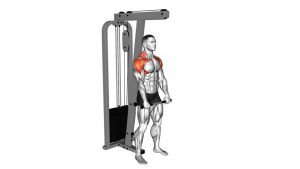
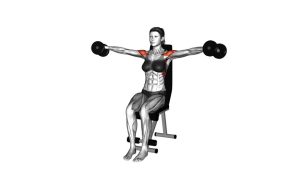
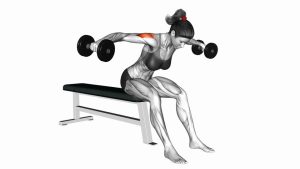
Lever Lateral Raise: Proper Form, Sets, Tips & FAQ
Learn how to perform the Lever Lateral Raise with proper form to build wider shoulders and isolate the lateral delts. Includes setup, execution, sets by goal, common mistakes, FAQs, and recommended equipment.
Lever Lateral Raise
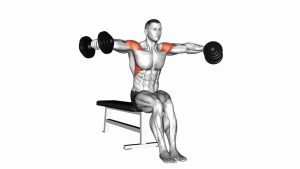
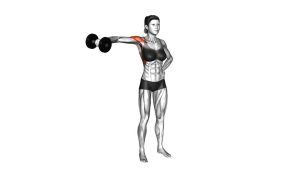
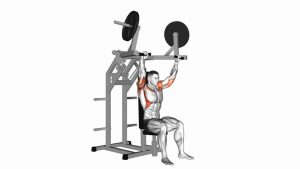
This exercise works best when performed with controlled tempo and moderate loading. The machine setup helps you isolate the side delts without relying on body swing, making it a great option for both beginners learning shoulder mechanics and experienced lifters chasing cleaner hypertrophy work. You should feel tension mainly in the outer shoulders, not in the neck or lower back.
Quick Overview
| Body Part | Shoulders |
|---|---|
| Primary Muscle | Lateral deltoid (side delts) |
| Secondary Muscle | Anterior deltoid, supraspinatus, upper traps (minimal stabilization) |
| Equipment | Lever lateral raise machine |
| Difficulty | Beginner to Intermediate |
Sets & Reps (By Goal)
- Muscle growth: 3–4 sets × 10–15 reps with controlled tempo and 45–75 seconds of rest
- Shoulder definition / pump work: 2–4 sets × 12–20 reps with lighter load and constant tension
- Strength-supporting isolation: 3–4 sets × 8–12 reps with clean form and no swinging
- Finisher after pressing: 2–3 sets × 15–20 reps with short rest and strict technique
Progression rule: Increase reps first, then increase load in small increments. If the traps start taking over or your torso moves, the weight is too heavy.
Setup / Starting Position
- Adjust the machine: Set the seat so your shoulders line up properly with the machine’s pivot point.
- Sit tall: Keep your chest up, back supported if the machine has a pad, and feet planted firmly on the floor.
- Position the arms: Place your upper arms or elbows against the pads/lever arms, depending on the machine design.
- Maintain a soft elbow bend: Keep the elbows slightly bent and fixed throughout the rep.
- Set the shoulders: Keep the neck long and shoulders down without shrugging before you begin.
Tip: A correct machine setup matters. If the seat is too high or too low, the movement can feel awkward and may shift stress away from the side delts.
Execution (Step-by-Step)
- Start from the bottom under control: Begin with the arms close to your sides and the machine under tension.
- Drive outward with the elbows: Raise the lever arms to the sides in a smooth arc, thinking about moving through the elbows rather than the hands.
- Lift to shoulder height: Stop when the upper arms are about parallel to the floor or slightly below if that feels better on your joints.
- Pause briefly: Hold the top for a moment to reinforce tension in the lateral delts.
- Lower slowly: Return to the starting position with control and avoid letting the stack or lever crash down.
Pro Tips & Common Mistakes
- Lead with the elbows: This helps keep the emphasis on the side delts instead of the forearms or traps.
- Don’t shrug at the top: Elevating the shoulders shifts work toward the upper traps.
- Use a controlled tempo: Avoid explosive swinging on the way up and dropping the weight on the way down.
- Stay within a shoulder-friendly range: Going too high can irritate some lifters and often adds trap involvement.
- Keep the chest stable: Leaning, rocking, or bouncing reduces isolation and makes the set less effective.
- Train in moderate-to-high rep ranges: Lateral raises usually respond very well to clean volume and tension rather than very heavy loading.
FAQ
What muscles does the lever lateral raise work?
The main target is the lateral deltoid, which helps create wider-looking shoulders. Secondary assistance can come from the anterior delt and stabilizers, but the goal is to keep the side delts doing most of the work.
Is the machine lateral raise better than dumbbell lateral raises?
It depends on your goal. The machine version often makes it easier to control the movement path and reduce cheating, which is excellent for isolation and hypertrophy. Dumbbells can also be effective, but they require more control and are easier to swing.
How high should I raise my arms?
In most cases, lifting until your upper arms are about level with your shoulders works well. Going higher is not always better and may increase trap involvement or shoulder discomfort.
Why do I feel this more in my traps than my side delts?
That usually happens when the weight is too heavy, the shoulders shrug upward, or the range of motion goes too high. Lower the load, keep the neck relaxed, and focus on moving the elbows out to the sides.
Where should I place this exercise in my workout?
The lever lateral raise fits best in the middle or later portion of a shoulder or upper-body workout, usually after compound pressing movements and before lighter burnout work.
Recommended Equipment
- 360 Athletics Elite Resistance Tubing Loop — useful for shoulder warm-ups, activation work, and high-rep lateral raise variations
- Kichvoe Resistance Bands Set for Arm and Shoulder Workout — a portable option for side-delt training, prehab work, and home shoulder sessions
- NULYLU Wooden Handle Resistance Bands Set — gives you an alternative way to train shoulder abduction and accessory pressing patterns
- Modvel Adjustable Wrist Wraps for Gym & Lifting — helpful if you want extra wrist support during upper-body training sessions
- Shoulder Resistance Bands on Amazon — a general shopping option for shoulder activation, rehab-style work, and travel-friendly training tools
Tip: Choose accessories that help you improve shoulder control, warm-up quality, and overall training consistency—not just heavier loading.