Lever Lateral Raise (Plate-Loaded): Proper Form, Sets, Muscles Worked & FAQ
Learn how to perform the plate-loaded lever lateral raise with proper form to build side delts safely. Includes muscles worked, setup, execution, sets and reps, common mistakes, FAQ, and recommended equipment.
Lever Lateral Raise (Plate-Loaded)
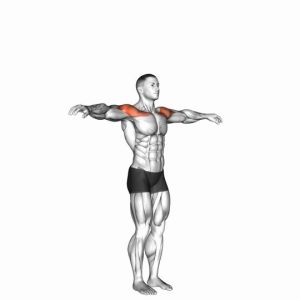
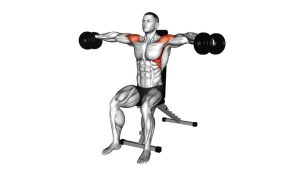
This exercise works best when you use a controlled tempo and focus on leading the movement with the elbows rather than the hands. The machine provides stability, which makes it especially useful for hypertrophy-focused shoulder training. A clean rep should create strong tension in the side delts without turning into a trap-dominant shrug or a swinging motion.
Quick Overview
| Body Part | Side Shoulders |
|---|---|
| Primary Muscle | Lateral deltoid (middle deltoid) |
| Secondary Muscle | Anterior deltoid, supraspinatus, upper traps (minimal if performed correctly) |
| Equipment | Plate-loaded lateral raise / lever shoulder raise machine |
| Difficulty | Beginner to Intermediate |
Sets & Reps (By Goal)
- Muscle growth: 3–5 sets × 10–15 reps with 45–75 seconds rest
- Shoulder isolation after presses: 2–4 sets × 12–20 reps with controlled tempo
- Strength-focused machine work: 3–4 sets × 8–10 reps with strict form
- Finisher / pump work: 2–3 sets × 15–25 reps with short rest and light-to-moderate load
Progression tip: Add reps before adding weight. When you can hit the top of your rep range with clean shoulder mechanics and no shrugging, increase the load slightly.
Setup / Starting Position
- Load the machine: Add an appropriate amount of weight that allows full control from start to finish.
- Sit tall: Position yourself on the seat with your chest up, spine neutral, and back supported if the machine includes a pad.
- Align the shoulders: The machine’s pivot and arm path should feel natural at the shoulder joint, not awkwardly high or low.
- Place the arms on the pads or handles: Keep a slight bend in the elbows and maintain a relaxed grip.
- Set the shoulders down: Avoid shrugging before the rep even starts. Think “long neck, wide shoulders.”
Tip: Start with a lighter load than you expect. Side delts respond well to precise reps, and heavy cheating often shifts tension away from the target muscle.
Execution (Step-by-Step)
- Brace and stay still: Keep your torso stable, core lightly engaged, and head neutral.
- Drive the arms outward: Raise the machine arms to the sides in a controlled arc, leading with the elbows.
- Stop around shoulder height: Lift until the upper arms are roughly parallel to the floor without overreaching.
- Pause briefly: Hold the top for a moment and squeeze the lateral delts.
- Lower slowly: Return to the starting position under control without letting the plates crash down.
- Repeat with the same rhythm: Every rep should look nearly identical, with no jerking or torso rocking.
Pro Tips & Common Mistakes
- Lead with the elbows: This helps keep tension on the side delts instead of turning the rep into a hand-driven swing.
- Do not shrug: Keep the upper traps quiet by maintaining space between the shoulders and ears.
- Use a moderate range: Shoulder height is usually enough. Going much higher often shifts stress away from the target.
- Control the eccentric: Lowering slowly can increase time under tension and improve shoulder awareness.
- Avoid ego loading: Heavier plates only help if the rep still looks smooth and isolated.
- Keep the wrists neutral: Excessive wrist bending usually adds tension where you do not want it.
- Stay planted: No bouncing, torso twisting, or lifting your hips off the seat.
FAQ
What muscle does the lever lateral raise target most?
The main target is the lateral deltoid, which gives the shoulders more width and a rounder appearance. Secondary assistance may come from the anterior delts and small stabilizers, but the side delt should do most of the work.
Is the machine lateral raise better than dumbbell lateral raises?
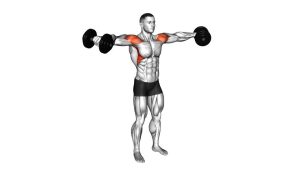
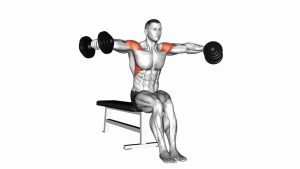
Neither is automatically better in all cases. The machine version is often easier to control and can keep tension on the target muscle more consistently, while dumbbells may require more stabilization and technique. Both can be effective when programmed well.
How high should I raise my arms?
In most cases, raising the upper arms to about shoulder height is enough. Going much higher can encourage shrugging and reduce isolation quality.
Why do I feel this more in my traps than my side delts?
That usually happens when the weight is too heavy, the shoulders shrug upward, or the movement becomes too explosive. Lower the load, slow down the rep, and think about driving the elbows out instead of lifting the shoulders.
Where should I place this exercise in my workout?
It fits well after compound presses, or later in the session as a dedicated isolation movement for shoulder hypertrophy. Many lifters use it in the middle or near the end of a shoulder or upper-body workout.
Recommended Equipment
- Shoulder Resistance Bands — useful for warm-ups, activation drills, and extra side-delt volume
- Therapy Bands for Shoulder Work — good for lighter prehab, rehab-style movement, and rotator cuff preparation
- Adjustable Dumbbells — ideal for adding dumbbell lateral raise variations outside the machine
- Mini Loop Bands — great for shoulder activation circuits and burnout sets
- Foam Roller — helpful for upper-back and shoulder-area mobility before pressing or delt work
Tip: The best accessory setup is one that supports better shoulder mechanics, not just heavier lifting. Prioritize quality reps, stable positioning, and recovery tools that help you train consistently.