Kettlebell Wide Upright Row: Proper Form, Sets, Tips & FAQ
Learn how to do the Kettlebell Wide Upright Row with proper form to target the side shoulders and upper traps. Includes setup, step-by-step execution, sets by goal, common mistakes, FAQs, and recommended equipment.
Kettlebell Wide Upright Row
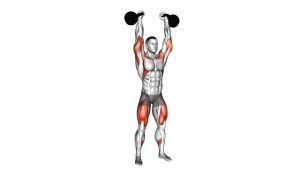
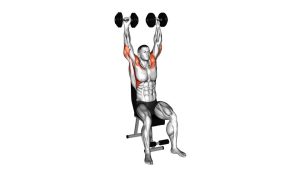
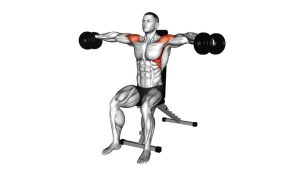
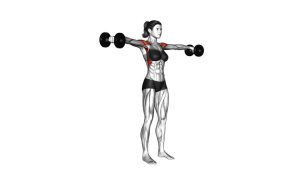
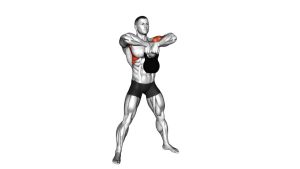
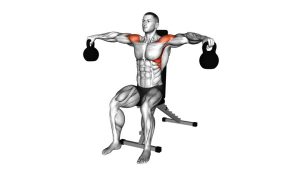
This exercise works best when the motion stays smooth and deliberate. The elbows should travel outward and upward while the wrists remain below or near elbow height. You should feel the side delts working hard, with assistance from the upper traps and upper back. If you swing the kettlebells, shrug too aggressively, or pull too high, the movement becomes less efficient and may irritate the shoulders.
Quick Overview
| Body Part | Shoulders |
|---|---|
| Primary Muscle | Lateral deltoids |
| Secondary Muscle | Upper trapezius, supraspinatus, forearms, upper back stabilizers |
| Equipment | Two kettlebells |
| Difficulty | Intermediate |
Sets & Reps (By Goal)
- Muscle growth: 3–4 sets × 8–15 reps with 60–90 seconds of rest
- Shoulder endurance: 2–3 sets × 12–20 reps with 45–75 seconds of rest
- Strength-focused accessory work: 3–4 sets × 6–10 reps with 75–120 seconds of rest
- Warm-up activation: 2 sets × 10–12 light reps with full control
Progression rule: First improve control, range, and rep quality. Then gradually increase load. Do not sacrifice shoulder comfort or elbow path just to move heavier kettlebells.
Setup / Starting Position
- Stand tall: Place your feet about hip- to shoulder-width apart and brace your core.
- Hold two kettlebells: Let them hang at your sides with a neutral grip and straight arms.
- Set posture: Keep your chest up, shoulders relaxed, and spine neutral.
- Prepare the path: Think about driving your elbows out and up rather than curling the weights.
- Start under control: The kettlebells should remain still before each rep begins.
Tip: Choose a load that allows you to raise the elbows smoothly without jerking or leaning backward.
Execution (Step-by-Step)
- Initiate with the elbows: Begin the movement by pulling the elbows outward and upward.
- Keep the kettlebells close: Let them travel up in a controlled path near the torso.
- Raise to shoulder level: Bring the elbows to about shoulder height or slightly below if needed for comfort.
- Pause briefly: Squeeze the side delts at the top without shrugging excessively.
- Lower slowly: Return the kettlebells to the starting position with full control.
- Reset and repeat: Maintain posture and avoid bouncing into the next rep.
Pro Tips & Common Mistakes
- Lead with the elbows: This helps keep the focus on the delts instead of turning the movement into a loose arm pull.
- Do not yank the kettlebells: Momentum reduces tension on the target muscles and can stress the shoulders.
- Avoid pulling too high: Going higher than your shoulder mobility allows may create discomfort or impingement.
- Keep your torso stable: Do not lean back or use body English to finish the rep.
- Control the lowering phase: The eccentric portion helps build more muscle and reinforces good form.
- Use moderate loads: This exercise usually works better with precision than with maximal weight.
FAQ
What muscles does the kettlebell wide upright row work most?
The main target is the lateral deltoid, which helps build shoulder width. The upper traps, supraspinatus, and grip muscles also contribute.
Is the wide upright row better than a narrow upright row for shoulders?
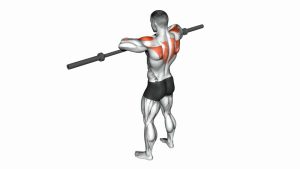
A wider elbow path often places more emphasis on the side delts and may feel more comfortable for some lifters. A narrow variation usually brings in more traps and can feel less shoulder-friendly depending on mobility.
How high should I pull the kettlebells?
Usually, bringing the elbows to around shoulder height is enough. You do not need to pull excessively high, especially if that causes pinching or discomfort.
Can beginners do this exercise?
Yes, but beginners should start light and focus on learning the elbow path, posture, and tempo first. If shoulder mobility is limited, other lateral delt exercises may be easier to learn initially.
Should I use this as a main lift or an accessory?
The kettlebell wide upright row works best as an accessory exercise for shoulder hypertrophy, upper-body conditioning, or finishing work after presses and raises.
Recommended Equipment
- Adjustable Kettlebell — useful for progressive overload without buying multiple kettlebell pairs
- Cast Iron Kettlebell Pair — ideal for balanced two-hand or dual-kettlebell shoulder training
- Weightlifting Grips — can help reduce grip fatigue during higher-rep shoulder sessions
- Home Gym Mirror — useful for checking elbow path, posture, and shoulder symmetry during reps
- Resistance Bands Set — helpful for warm-ups, shoulder activation, and joint-friendly accessory work
Tip: Use kettlebells with a comfortable handle size so you can maintain a secure grip and focus on clean shoulder mechanics.