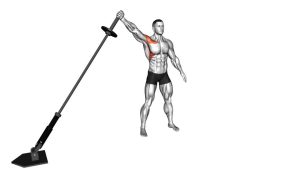
Dumbbell Seated Single-Arm Front Raise: Form, Sets, Tips & FAQ
Learn how to do the Dumbbell Seated Single-Arm Front Raise with proper form. Discover muscles worked, setup, execution steps, sets and reps by goal, common mistakes, FAQs, and recommended equipment.
Dumbbell Seated Single-Arm Front Raise
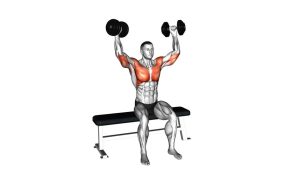
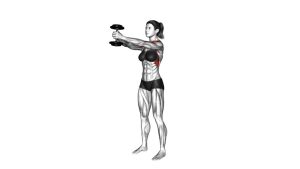
This version works best with moderate weight, a steady tempo, and a clean range of motion. Because you are seated, it becomes harder to cheat by swinging the torso, which makes the exercise useful for building front-delt control and quality reps. You should feel the front of the shoulder doing most of the work, while the torso stays quiet and stable.
Quick Overview
| Body Part | Front Shoulders |
|---|---|
| Primary Muscle | Anterior deltoid |
| Secondary Muscle | Upper chest, serratus anterior, lateral deltoid, core stabilizers |
| Equipment | Dumbbell and flat or adjustable bench |
| Difficulty | Beginner to Intermediate |
Sets & Reps (By Goal)
- Muscle growth: 3-4 sets × 10-15 reps per arm with 45-75 seconds rest
- Technique and control: 2-3 sets × 8-12 reps per arm with a slower lowering phase
- Light shoulder accessory work: 2-4 sets × 12-20 reps per arm with controlled tempo
- Warm-up activation: 1-2 light sets × 12-15 reps per arm before pressing work
Progression rule: First improve control, then add reps, then increase load in small steps. If you need to swing the torso or shrug hard to finish reps, the weight is too heavy.
Setup / Starting Position
- Sit tall on a bench: Keep both feet flat on the floor and your torso upright.
- Hold one dumbbell at your side: Let the working arm hang naturally with a slight bend in the elbow.
- Brace the trunk: Keep ribs down, abs lightly tight, and avoid leaning back.
- Set the shoulder: Keep the shoulder down and back lightly without over-squeezing.
- Use the free hand for stability: Rest it on your thigh or bench to stay balanced.
Tip: A neutral or slightly pronated grip usually feels smooth for most lifters. Choose the hand position that lets your shoulder move comfortably.
Execution (Step-by-Step)
- Start from the bottom: The dumbbell begins near your thigh with the elbow softly bent.
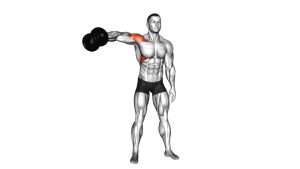
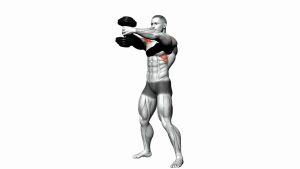
- Raise forward in front of the body: Lift the dumbbell in a controlled arc using the front delt, not torso momentum.
- Stop around shoulder height: Bring the hand to about parallel with the floor or slightly below if that feels better.
- Pause briefly: Hold the top for a moment without shrugging or twisting.
- Lower slowly: Return the dumbbell to the start under control to keep tension on the shoulder.
- Repeat all reps on one side: Then switch arms and match the same quality of motion.
Pro Tips & Common Mistakes
- Lift with the shoulder, not momentum: Keep the torso still and avoid using a swing to start the rep.
- Do not raise too high: Shoulder height is enough for most people.
- Keep a soft elbow bend: Too much bend turns it into a different movement; a locked elbow can feel rigid.
- Lower with control: The eccentric phase helps keep tension on the front delt.
- Stay seated tall: Leaning back too much shifts the exercise away from clean shoulder isolation.
- Use one arm to fix imbalances: Match range, tempo, and reps from side to side.
- Do not shrug at the top: Keep the trap involvement minimal so the front delt stays the focus.
FAQ
What muscle does the seated single-arm front raise target most?
The main target is the anterior deltoid, which is the front portion of the shoulder. Other muscles help stabilize, but the goal is front-delt isolation.
Why do this front raise seated instead of standing?
The seated version reduces momentum and usually makes it easier to keep the movement strict. That can improve control and mind-muscle connection.
Should I raise the dumbbell above shoulder height?
Usually no. Stopping around shoulder height is enough for most lifters and often feels cleaner on the shoulder joint.
Can beginners use this exercise?
Yes. Beginners can use a light dumbbell and focus on slow, controlled reps. It is often better to start lighter than expected so the form stays clean.
Where should I place this in a workout?
It works well after compound pressing exercises as a shoulder accessory, or later in an upper-body session when you want extra front-delt volume without heavy loading.
Recommended Equipment
- Adjustable Dumbbell — ideal if you want one compact tool for progressive overload at home
- Adjustable Workout Bench — gives you a stable seated position and adds versatility for other upper-body exercises
- Shoulder Resistance Bands — useful for warm-ups, activation drills, and rotator cuff work before raising movements
- Resistance Loop Bands — good for light activation, mobility drills, and adding extra shoulder-prep work
- Wrist Wraps — optional support if wrist positioning feels uncomfortable during raises
Tip: For this exercise, a moderate dumbbell and strict execution matter more than buying lots of gear. Good setup and controlled reps will do more for your shoulders than chasing heavy weight too early.