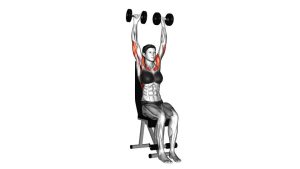
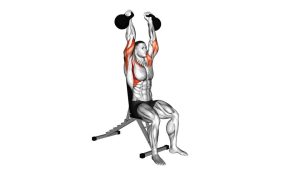
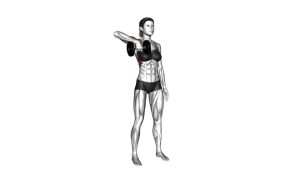
Dumbbell Alternating Shoulder Press : Proper Form, Sets, Tips & FAQ
Learn how to perform the Dumbbell Alternating Shoulder Press with proper form. Discover muscles worked, setup, step-by-step execution, sets and reps by goal, common mistakes, FAQs, and recommended Amazon equipment.
Dumbbell Alternating Shoulder Press
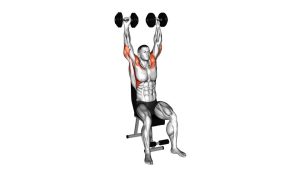
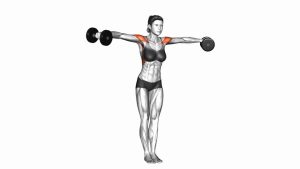
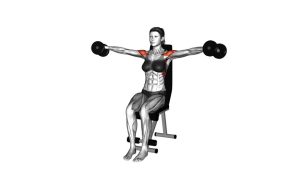
This exercise is especially effective for building the front and side delts while also training overhead control. Because one arm works while the other holds, your shoulders stay under tension longer than in a standard bilateral press. The movement should feel controlled and balanced, not rushed or momentum-driven.
Quick Overview
| Body Part | Shoulders |
|---|---|
| Primary Muscle | Anterior deltoids, lateral deltoids |
| Secondary Muscle | Triceps, upper chest, serratus anterior, core stabilizers |
| Equipment | Pair of dumbbells |
| Difficulty | Beginner to Intermediate |
Sets & Reps (By Goal)
- Muscle building: 3-4 sets × 8-12 reps per arm
- Strength focus: 4-5 sets × 5-8 reps per arm
- Shoulder endurance / control: 2-3 sets × 12-15 reps per arm
- General fitness: 2-4 sets × 8-10 reps per arm
Progression rule: Increase weight only when you can press both sides evenly without torso sway, rib flare, or shortened lockout.
Setup / Starting Position
- Stand tall: Place your feet about hip-width to shoulder-width apart for a stable base.
- Bring both dumbbells to shoulder level: Elbows should be bent with the weights near the shoulders.
- Set the torso: Brace your abs, keep your ribs down, and maintain a neutral spine.
- Align the wrists: Keep wrists stacked over elbows with a neutral or slightly angled grip.
- Relax the neck: Keep your head neutral and shoulders down before starting the first rep.
Tip: Start with a load you can fully control. This exercise exposes side-to-side weakness quickly.
Execution (Step-by-Step)
- Press the first dumbbell overhead: Drive one arm upward until the elbow is almost fully extended.
- Keep the opposite arm loaded: Hold the other dumbbell at shoulder level without dropping it.
- Pause briefly at the top: Stack the wrist over the elbow and shoulder in a strong overhead position.
- Lower under control: Bring the dumbbell back down to shoulder height without bouncing.
- Switch sides: Press the opposite dumbbell overhead while the first arm stays in the rack position.
- Continue alternating: Repeat in a smooth rhythm until all reps are complete on both sides.
Pro Tips & Common Mistakes
- Brace before every rep: A tight midsection protects your lower back and improves pressing power.
- Do not rush the alternation: Finish one clean rep before switching arms.
- Keep the non-working arm active: Do not let the waiting dumbbell collapse too low.
- Avoid excessive back arch: Turning the movement into a standing incline press reduces shoulder focus.
- Press through a comfortable shoulder path: Slight natural elbow angle is better than forcing a rigid line.
- Use full control on the lowering phase: The eccentric portion helps build shoulder size and stability.
- Do not shrug excessively: Keep the neck relaxed and traps from taking over too early.
FAQ
What muscles does the Dumbbell Alternating Shoulder Press work?
It mainly targets the anterior deltoids and lateral deltoids, while the triceps and core assist with pressing and stabilization.
Is alternating better than pressing both dumbbells together?
Alternating is not always better, but it is excellent for control, balance, and longer time under tension. It can also help expose and improve left-to-right strength differences.
Should I do this exercise seated or standing?
The standing version adds more core stability demand. A seated version usually reduces lower-body involvement and may let you focus more directly on pressing.
How heavy should I go?
Choose a weight that lets you complete every rep with a smooth overhead path, controlled lowering, and no excessive torso lean. Clean form matters more than chasing load too early.
Can beginners use this exercise?
Yes. It is beginner-friendly when done with manageable dumbbells and good posture. Start light and focus on consistent control.
Recommended Equipment
- Adjustable Dumbbells — versatile choice for progressive overload and home shoulder workouts
- Neoprene Dumbbell Set — useful for beginners who want lighter fixed-weight options
- Women’s Lifting Gloves — helps improve grip comfort during higher-rep pressing sessions
- Resistance Bands Set — great for shoulder warm-ups, activation drills, and accessory work
- Adjustable Weight Bench — allows seated presses and other upper-body dumbbell variations
Tip: For most people, the best first investment is a quality pair of adjustable dumbbells, since they let you progress across many shoulder and upper-body exercises.