Cable Y Raise: Proper Form, Muscles Worked, Sets, Tips & FAQ
Learn how to do the Cable Y Raise with proper form to build stronger, more stable shoulders. Includes muscles worked, setup, execution steps, sets and reps by goal, common mistakes, FAQs, and recommended equipment.
Cable Y Raise
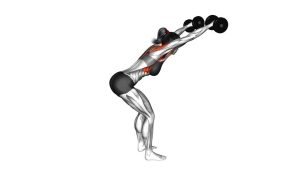
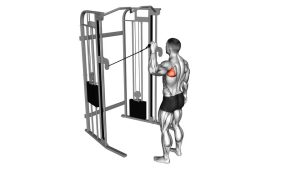
The Cable Y Raise works best when performed with a smooth tempo, a slight bend in the elbows, and constant tension from the cables. You should feel the shoulders doing the work, not the lower back, traps, or momentum. Keep the ribcage stacked, avoid shrugging, and think about lifting the hands up and out rather than simply swinging them upward.
Quick Overview
| Body Part | Shoulders |
|---|---|
| Primary Muscle | Anterior deltoid (front delts) |
| Secondary Muscle | Lateral deltoid, lower traps, serratus anterior, rotator cuff stabilizers |
| Equipment | Dual adjustable cable machine with single handles |
| Difficulty | Beginner to Intermediate |
Sets & Reps (By Goal)
- Shoulder hypertrophy: 3–4 sets × 10–15 reps with controlled tempo and 45–75 sec rest
- Shoulder warm-up / activation: 2–3 sets × 12–20 reps with very light load and clean form
- Stability and movement quality: 2–4 sets × 8–12 reps with a 1–2 second pause near the top
- Finisher work: 2–3 sets × 15–20 reps using light weight and strict technique
Progression rule: Increase reps first, then load. If you need to swing, arch the back, or shrug to finish the rep, the weight is too heavy.
Setup / Starting Position
- Set both pulleys low: Position the cable handles at or near the lowest setting on a dual cable machine.
- Grab one handle in each hand: Use a neutral grip with palms facing inward.
- Stand centered: Take a stable stance with feet about hip- to shoulder-width apart.
- Create light tension: Step forward enough to keep tension on both cables at the bottom.
- Brace your torso: Keep ribs down, core tight, chest tall, and shoulders relaxed.
- Start with arms low and slightly forward: Elbows stay softly bent and fixed throughout the raise.
Tip: A slight forward lean can help you stay balanced, but avoid turning the exercise into a full-body swing.
Execution (Step-by-Step)
- Begin from the bottom under tension: Let the arms hang low with a small elbow bend and neutral wrists.
- Raise the handles diagonally upward: Move both arms in a wide arc so they travel up and out, forming a Y shape.
- Keep the shoulders down: Avoid shrugging as the hands rise to around head level or slightly above.
- Pause briefly at the top: Squeeze with control while keeping the neck relaxed and torso still.
- Lower slowly: Return along the same path under control until you reach the start position without letting the cables yank your arms down.
- Repeat with smooth reps: Every rep should look the same, with no bouncing or rushing.
Pro Tips & Common Mistakes
- Use a true Y path: Raise the arms diagonally, not straight forward and not directly out to the sides.
- Keep the load light enough to stay strict: This exercise rewards precision more than heavy weight.
- Hold a soft elbow bend: Don’t turn it into a press and don’t lock the elbows hard.
- Don’t shrug: If your traps take over, think “reach long” while keeping the shoulders down.
- Avoid low-back arching: Stay braced so the shoulders move without the ribcage flaring up.
- Control the eccentric: Lowering with intent keeps tension on the delts and improves shoulder control.
- Use it as accessory work: Cable Y Raises pair well with presses, lateral raises, face pulls, and rear-delt work.
FAQ
What muscles do Cable Y Raises target most?
They primarily target the front delts, while also involving the lateral delts and important stabilizers such as the lower traps, serratus anterior, and rotator cuff.
Should I go heavy on Cable Y Raises?
Usually no. This exercise is best performed with lighter loads and strict control. Going too heavy often leads to shrugging, torso swing, and loss of the intended Y-shaped path.
How high should I raise my arms?
Raise the handles until your arms form a strong Y position, usually around head level or slightly above, as long as you can maintain clean mechanics and no pain.
Is the Cable Y Raise better than dumbbell raises?
It depends on your goal. Cables provide more consistent tension through the full range, which makes them excellent for controlled shoulder isolation and movement quality work.
Where should I place Cable Y Raises in my workout?
They work well after your main pressing movements, during shoulder accessory work, or as a light activation drill before upper-body training.
Recommended Equipment
- Cable Machine Handles — replacement or upgraded handles for smoother grip and better comfort on cable raises
- Cable Attachments — useful if you want extra attachment options for shoulder, back, and arm training
- Shoulder Resistance Bands — helpful for warm-ups, activation drills, and extra shoulder volume outside the cable station
- Workout Mat for Home Gym — useful for general training comfort, shoulder mobility work, and floor-based warm-ups
- Gym Wrist Wraps — optional support if your wrists fatigue during cable or pressing sessions
Tip: For Cable Y Raises, the most useful purchase is usually a comfortable pair of cable handles. Keep the exercise light and technique-focused rather than relying on supportive gear.