Medicine Ball Mountain Climber: Form, Core Benefits, Sets, Tips & FAQ
Learn the Medicine Ball Mountain Climber for core strength, shoulder stability, and cardio conditioning with step-by-step form, sets, tips, FAQs, and gear.
Medicine Ball Mountain Climber
This exercise is best performed with a strong high plank, straight arms, tight core, and controlled alternating knee drives. The goal is not only to move fast, but to keep the medicine ball steady while the legs switch. Each rep should feel athletic, stable, and coordinated.
Quick Overview
| Body Part | Core |
|---|---|
| Primary Muscle | Rectus abdominis and deep core stabilizers |
| Secondary Muscle | Obliques, hip flexors, shoulders, chest, triceps, quads |
| Equipment | Medicine ball |
| Difficulty | Intermediate to advanced |
Sets & Reps (By Goal)
- Core stability: 3–4 sets × 20–30 seconds with controlled knee drives
- Cardio conditioning: 4–6 rounds × 30–45 seconds with 30–60 seconds rest
- Fat-loss circuit training: 3–5 rounds × 30 seconds paired with squats, push-ups, or burpees
- Athletic core endurance: 4 sets × 40–60 seconds while keeping the ball stable
Progression rule: First improve control, then increase speed. A faster tempo is only useful if your hips, shoulders, and medicine ball remain stable.
Setup / Starting Position
- Place the medicine ball on the floor: Use a stable, non-slippery surface.
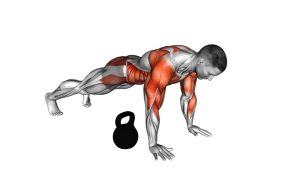
- Set both hands on the ball: Grip the sides or top of the ball firmly with even pressure.
- Step back into a high plank: Extend both legs behind you with feet about hip-width apart.
- Stack your shoulders: Keep shoulders above the ball and arms straight without locking aggressively.
- Brace your core: Tighten the abs, squeeze the glutes lightly, and keep the body in one long line.
Your starting position should look like a strong plank with the hands elevated on a medicine ball. Avoid letting the hips sag or rise too high before the movement begins.
Execution (Step-by-Step)
- Start in a firm plank: Keep your chest over the ball, arms straight, and abs braced.
- Drive one knee forward: Bring one knee toward your chest while the opposite leg stays extended.
- Control the ball: Keep both hands pressing evenly into the medicine ball so it does not roll side to side.
- Return the leg back: Extend the first leg back to the plank position.
- Switch legs: Drive the opposite knee forward in the same controlled path.
- Continue alternating: Maintain a steady rhythm while keeping your shoulders, hips, and spine stable.
Pro Tips & Common Mistakes
- Keep your shoulders stacked: Do not let your body drift too far behind the ball.
- Brace before moving: A tight core helps prevent lower-back sagging.
- Avoid bouncing: The knees should drive forward with control, not random momentum.
- Do not let the ball roll: Press evenly through both hands to control the unstable surface.
- Keep hips level: Excessive twisting reduces core control and increases strain.
- Use a slower tempo first: Speed should be earned after the movement pattern is clean.
- Choose the right ball: A firm medicine ball is safer than a very soft or slippery one.
FAQ
What muscles does the Medicine Ball Mountain Climber work?
It mainly targets the core, especially the rectus abdominis and deep stabilizers. It also works the obliques, hip flexors, shoulders, chest, triceps, and legs.
Is the Medicine Ball Mountain Climber harder than a regular mountain climber?
Yes. The medicine ball creates an unstable hand position, which increases the demand on the shoulders, wrists, chest, and core. It requires more balance and control than the standard floor version.
Should I do this exercise fast or slow?
Start slow and controlled. Once you can keep the ball steady and the hips level, you can increase speed for more conditioning and cardio intensity.
Is this exercise good for abs?
Yes. It is excellent for training the abs dynamically because the core must resist rotation, stabilize the spine, and control the lower body while the knees alternate forward.
Who should avoid Medicine Ball Mountain Climbers?
Beginners with weak plank control, people with wrist pain, shoulder instability, or lower-back discomfort should first master regular planks and standard mountain climbers before using a medicine ball.
Recommended Equipment
- Medicine Ball — the main tool for this exercise and other core conditioning drills
- Non-Slip Exercise Mat — helps keep your feet stable and protects the floor during plank work
- Workout Wrist Wraps — optional wrist support for high-plank and pressing-style exercises
- Push-Up Handles — useful for building plank and shoulder strength before progressing to the ball
- Fitness Interval Timer — helpful for timed conditioning rounds and circuit training
Tip: Use a medicine ball that feels firm and does not slide easily. Stability and control are more important than choosing the heaviest ball.