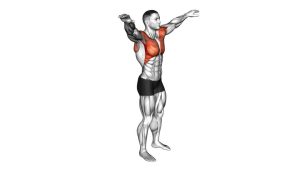
Standing Yin Yang Circles: Shoulder Mobility, Form, Benefits & Tips
Learn how to do Standing Yin Yang Circles for better shoulder mobility, coordination, and control. Includes form tips, sets and reps by goal, mistakes to avoid, FAQs, and recommended equipment.
Standing Yin Yang Circles
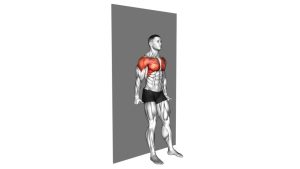
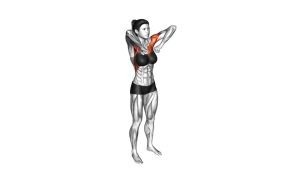
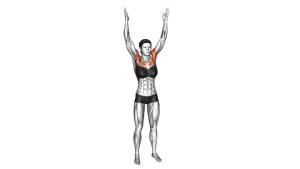
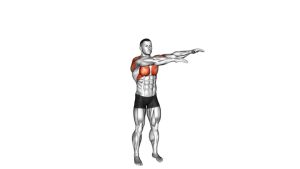
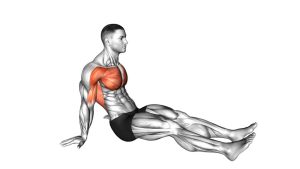
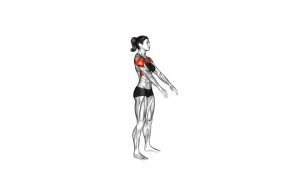
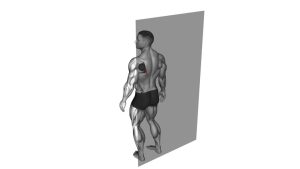
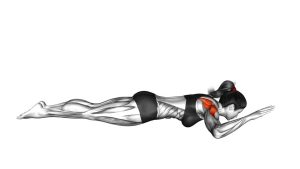
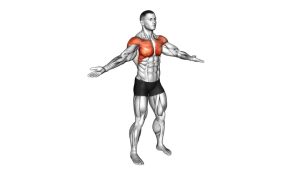
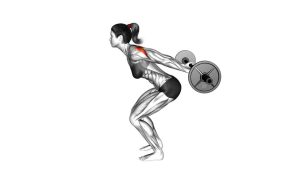
This exercise works best as a warm-up, mobility reset, or light shoulder activation drill. It helps train the front and side shoulders while also improving coordination between the arms and shoulder blades. You should feel controlled movement around the shoulders, not neck tension, shrugging, or pinching in the joint.
Quick Overview
| Body Part | Shoulders |
|---|---|
| Primary Muscle | Anterior deltoids and lateral deltoids |
| Secondary Muscle | Rotator cuff stabilizers, upper traps, upper chest, and scapular stabilizers |
| Equipment | None |
| Difficulty | Beginner (great for warm-ups, movement prep, and shoulder mobility practice) |
Sets & Reps (By Goal)
- Warm-up / shoulder prep: 2–3 sets × 20–30 seconds in each direction
- Mobility practice: 2–4 sets × 8–12 slow circles per side pattern
- Coordination / control: 2–3 sets × 30–45 seconds at a smooth, steady rhythm
- Recovery / desk reset: 1–2 easy sets × 20–30 seconds with small circles
Progression rule: First improve smoothness, range, and control. Then increase time, reps, or circle size slightly without shrugging or losing posture.
Setup / Starting Position
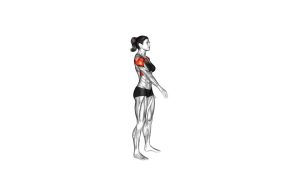
- Stand tall: Keep your feet about hip- to shoulder-width apart and maintain a relaxed, upright posture.
- Brace lightly: Engage the core gently so the torso stays stable and doesn’t sway.
- Set the shoulders: Keep the shoulders down and relaxed, not shrugged toward the ears.
- Start opposite: Position one arm higher and the other lower so they can move in opposite circular paths.
- Use a comfortable range: Begin with smaller circles if your shoulders feel stiff or sensitive.
Tip: Think of tracing smooth loops in the air rather than swinging the arms loosely.
Execution (Step-by-Step)
- Begin the pattern: Move one arm upward in a circular path while the other arm moves downward in the opposite direction.
- Pass through the middle smoothly: Let the arms transition past one another without pausing or jerking.
- Complete the circle: The top arm comes down as the bottom arm rises until they switch positions.
- Maintain rhythm: Continue the alternating “yin-yang” motion in a controlled, flowing pattern.
- Keep posture steady: Avoid leaning, twisting, or using momentum from the torso.
- Switch direction if needed: After one set, reverse the circular direction to train the shoulders evenly.
Pro Tips & Common Mistakes
- Move with control: Don’t rush the circles just to make them bigger.
- Keep the neck relaxed: Avoid turning this into a trap-dominant shrugging drill.
- Use a pain-free arc: Full range is great, but only if it stays smooth and comfortable.
- Stay tall: Don’t arch the lower back or lean side to side.
- Let the shoulders do the work: Avoid flinging the arms with momentum.
- Breathe naturally: Smooth breathing helps keep the movement relaxed and repeatable.
- Great before pressing workouts: This drill fits well before shoulder, chest, or upper-body training.
FAQ
What is the main benefit of Standing Yin Yang Circles?
The main benefit is improved shoulder mobility and coordination. It also helps increase shoulder awareness and prepares the upper body for lifting or daily movement.
Is this a strength exercise or a mobility exercise?
It is mostly a mobility and control exercise. While the shoulders stay active, the goal is smooth motion and better movement quality rather than heavy resistance.
Can beginners do this exercise?
Yes. It is beginner-friendly because it uses no equipment and can be performed with small circles until shoulder comfort and control improve.
Should I do both directions?
Yes. Reversing the circle direction can help train the shoulders more evenly and challenge coordination in a different way.
When should I use this in a workout?
It works best during a warm-up, a shoulder-mobility block, or as a light recovery drill on upper-body days.
Recommended Equipment (Optional)
- Yes4All Neoprene Coated Dumbbell Hand Weight Set — useful if you want to progress from unloaded shoulder circles to very light front-raise and shoulder-control work
- Tone Fitness Neoprene Dumbbell Weight Pairs — beginner-friendly light dumbbells for controlled shoulder training and warm-up variations
- Vive Shoulder Pulley for Physical Therapy — a useful add-on for shoulder range-of-motion work if you also do rehab-style mobility sessions
- THERABAND Resistance Bands Set — great for pairing mobility drills with light activation work like pull-aparts, external rotations, and shoulder warm-ups
- RAWAILD Adjustable Mobility / Stretching Stick — useful for shoulder-opening drills, posture work, and upper-body mobility practice
Tip: Optional tools should improve control and comfort, not force a bigger range of motion than your shoulders can handle cleanly.