Dumbbell Incline Reverse Raise with Chest Support: Form, Muscles Worked, Sets & Tips
Learn how to do the Dumbbell Incline Reverse Raise with Chest Support to target the rear delts and upper back with strict form. Includes setup, execution, sets by goal, common mistakes, FAQs, and recommended equipment.
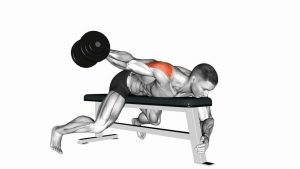
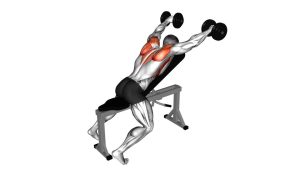
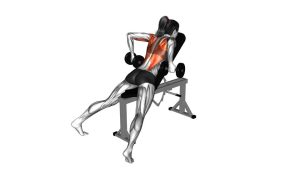
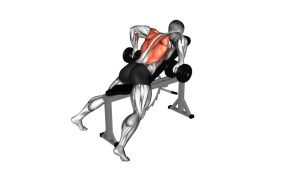
Dumbbell Incline Reverse Raise with Chest Support (Skier Style)
This movement works best with light-to-moderate dumbbells, controlled tempo, and clean mechanics. The goal is to move the arms outward and slightly back while keeping tension on the rear delts and upper back, not to yank the weights up with the traps or turn the exercise into a row. The chest-supported setup makes this version ideal for strict form, better mind-muscle connection, and safer shoulder isolation work.
Quick Overview
| Body Part | Rear Shoulders |
|---|---|
| Primary Muscle | Rear deltoids (posterior delts) |
| Secondary Muscle | Rhomboids, middle trapezius, lower trapezius, and rotator cuff stabilizers |
| Equipment | Incline bench and dumbbells |
| Difficulty | Beginner to Intermediate |
Sets & Reps (By Goal)
- Muscle building: 3–4 sets × 10–15 reps with 45–75 seconds rest
- Rear-delt isolation / pump work: 2–4 sets × 12–20 reps with light-to-moderate load
- Shoulder balance / posture support: 2–3 sets × 12–15 reps with strict form
- Warm-up activation: 1–2 sets × 15–20 reps using very light dumbbells
Progression rule: Increase reps first, then increase weight only when you can keep the chest planted, shoulders down, and every rep smooth and controlled.
Setup / Starting Position
- Set the bench angle: Adjust an incline bench to about 30–45 degrees.
- Lie chest-down on the bench: Keep the chest and torso fully supported throughout the set.
- Plant your feet firmly: Create a stable base so your body does not shift while lifting.
- Hold the dumbbells with a neutral grip: Let the weights hang directly below the shoulders.
- Set your posture: Keep the neck neutral, elbows slightly bent, and shoulders relaxed away from the ears.
Tip: Start lighter than expected. Rear-delt movements are usually most effective when the load allows strict control.
Execution (Step-by-Step)
- Start from a dead hang: Let the dumbbells hang under the shoulders while maintaining upper-back tension.
- Raise the arms outward: Lift the dumbbells out to the sides and slightly backward in a wide arc.
- Keep a soft elbow bend: Do not lock the arms, but do not curl them into a row either.
- Squeeze at the top: Stop around shoulder height or slightly below and briefly contract the rear delts.
- Lower slowly: Return the dumbbells to the start position under control without dropping them.
- Repeat with consistent form: Keep the chest against the bench and avoid momentum on every rep.
Pro Tips & Common Mistakes
- Use a wide arc: This keeps more tension on the rear delts instead of shifting the lift into a row pattern.
- Do not shrug: Keep the traps from taking over by keeping the shoulders down and relaxed.
- Stay glued to the bench: Lifting the chest off the pad reduces the strictness of the movement.
- Control the lowering phase: A slow eccentric improves both tension and technique.
- Do not go too heavy: Heavy dumbbells usually create cheating and reduce rear-delt isolation.
- Pause briefly at the top: A short squeeze helps reinforce rear-delt activation.
- Avoid excessive elbow bend: Too much bend changes the movement and brings in more upper-back rowing mechanics.
FAQ
What muscles does this exercise work the most?
It mainly targets the rear deltoids. The rhomboids, middle traps, lower traps, and shoulder stabilizers also assist.
Is this the same as a reverse fly?
It is very similar, but the chest-supported incline setup makes the movement stricter and reduces body momentum. The “skier” arm path may also travel slightly back instead of purely out to the side.
How heavy should I go?
Use a weight that lets you lift and lower the dumbbells with full control. For most people, this exercise works best with lighter weights than expected.
Where should I feel it?
You should mainly feel it in the rear shoulders and upper back. If you mostly feel your neck or upper traps, reduce the weight and focus on a cleaner arm path.
Is this exercise beginner-friendly?
Yes. It is beginner-friendly when performed with light dumbbells and strict form, especially because the bench helps stabilize the body.
Recommended Equipment
- Adjustable Weight Bench — essential for creating the incline chest-supported setup used in this exercise
- Adjustable Dumbbells — useful for progressing rear-delt training without needing a full dumbbell rack
- Mini Resistance Bands — helpful for shoulder activation, warm-ups, and extra upper-back volume
- Foam Roller — useful for upper-back mobility and recovery between workouts
- Lifting Straps — optional for higher-rep sets if grip fatigue becomes a limiting factor
Choose tools that help you keep the movement strict, stable, and repeatable rather than simply lifting heavier weights.