Dumbbell Incline T Raise: Proper Form, Rear Delt Benefits, Sets & FAQ
Learn how to perform the Dumbbell Incline T Raise with proper form to target the rear delts, mid traps, and upper back. Includes setup, step-by-step execution, sets by goal, common mistakes, FAQ, and recommended equipment.
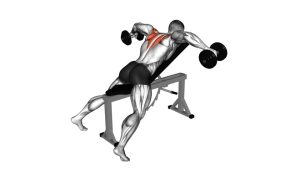
Dumbbell Incline T Raise
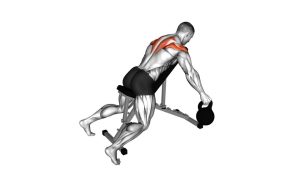
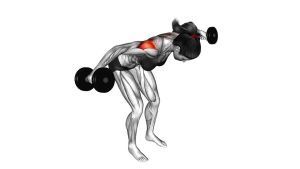
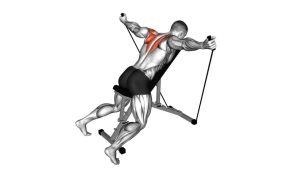
This exercise works best when performed with precision rather than heavy loading. Because the chest is supported on the bench, you can focus on clean shoulder motion and consistent rear-delt tension without swinging the torso. The goal is to lift the arms outward, not to turn the rep into a row. If the traps take over or the elbows drift too far back, reduce the load and tighten the movement path.
Quick Overview
| Body Part | Shoulders |
|---|---|
| Primary Muscle | Rear Deltoids (Posterior Delts) |
| Secondary Muscle | Rhomboids, Middle Trapezius, Rotator Cuff Stabilizers |
| Equipment | Dumbbells and an adjustable incline bench |
| Difficulty | Beginner to Intermediate (form-sensitive isolation exercise) |
Sets & Reps (By Goal)
- Muscle growth: 3–4 sets × 10–15 reps with slow, controlled lowering
- Shoulder control / accessory work: 2–4 sets × 12–20 reps using light dumbbells
- Posture-focused training: 2–3 sets × 12–15 reps with strict technique
- Warm-up activation: 1–2 sets × 12–15 reps with very light weight before upper-body sessions
Progression rule: Add reps first, then increase weight gradually. If the movement turns into a swing, shrug, or row, the load is too heavy for quality rear-delt work.
Setup / Starting Position
- Set the bench: Adjust an incline bench to a low-to-moderate incline, usually around 30–45 degrees.
- Lie chest-supported: Position your chest firmly against the pad with your head neutral and feet planted.
- Hold the dumbbells: Let both arms hang straight down with a neutral grip and a slight bend in the elbows.
- Brace lightly: Keep your abs engaged, shoulders down, and chest stable against the bench.
- Start relaxed: Avoid shrugging before the rep begins. The neck stays long and the torso stays quiet.
Tip: Chest support is one of the biggest advantages of this exercise. It helps reduce cheating and keeps the focus on the posterior shoulders.
Execution (Step-by-Step)
- Begin from the bottom: Start with the dumbbells hanging under the shoulders and elbows softly bent.
- Raise outward: Lift both arms out to the sides in a wide arc until they approach shoulder height.
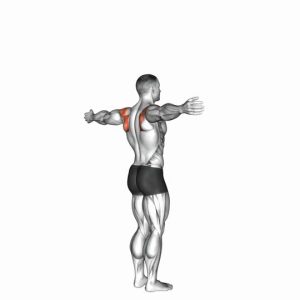
- Make a T shape: At the top, your arms should form a clean line across the body without turning the motion into a row.
- Squeeze briefly: Pause for a moment and contract the rear delts and upper back without shrugging the shoulders.
- Lower slowly: Return the dumbbells under control to the starting position, maintaining tension all the way down.
Pro Tips & Common Mistakes
- Use lighter weights than you think: Rear-delt isolation usually improves when the load is modest and controlled.
- Keep a soft elbow bend: Locked elbows can make the raise feel awkward and shift stress away from the target muscles.
- Do not shrug: Letting the upper traps dominate reduces rear-delt emphasis.
- Do not swing: The bench support should help you eliminate momentum and keep every rep strict.
- Avoid rowing the weight: Elbows should move outward, not pull far behind the body.
- Control the eccentric: Lowering slowly often improves tension and technique more than simply lifting heavier.
FAQ
What muscles does the Dumbbell Incline T Raise work most?
It mainly targets the rear deltoids. The middle traps, rhomboids, and other upper-back stabilizers also assist during the movement.
Is this the same as an incline reverse fly?
It is very similar. Many lifters use the terms interchangeably. The “T raise” name usually emphasizes the arm path staying wide and level with the shoulders at the top.
How heavy should I go?
Lighter than most people expect. This exercise responds well to strict reps, slow tempo, and strong mind-muscle connection rather than heavy dumbbells.
Should I squeeze my shoulder blades together?
Yes, but only naturally. You want the upper back to assist without turning the movement into an exaggerated row or trap shrug.
Can beginners do this exercise?
Yes. It is beginner-friendly when the weight is light, the bench is set correctly, and the focus stays on controlled form.
Recommended Equipment (Optional)
- Adjustable Dumbbells — practical for progressive overload while saving space in a home gym
- Adjustable Weight Bench — essential for setting the incline angle and performing chest-supported rear-delt work
- Resistance Bands Set — useful for warm-ups, shoulder activation, and extra upper-back volume
- Lifting Straps — optional for lifters whose grip fatigues before the rear delts during higher-rep accessory sessions
- Mini Resistance Bands — useful for shoulder prep, scapular control drills, and light rear-delt activation work
Tip: For this exercise, the best equipment investment is usually a solid adjustable bench and a set of light-to-moderate dumbbells. Good form matters more than heavy loading.