Barbell Incline Shoulder Press: Proper Form, Sets, Tips & FAQ
Learn how to perform the Barbell Incline Shoulder Press with proper form. Discover muscles worked, setup, execution steps, sets and reps by goal, common mistakes, FAQs, and recommended equipment.
Barbell Incline Shoulder Press
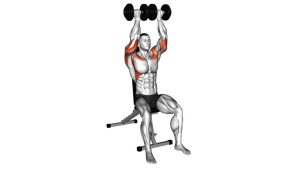
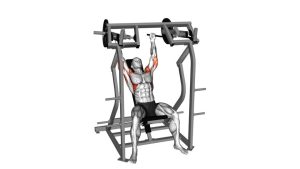
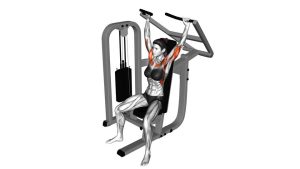
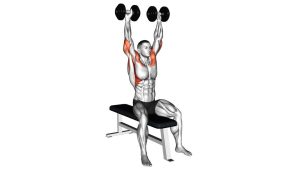
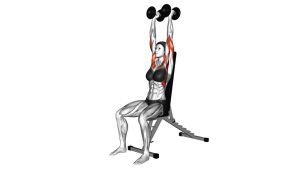
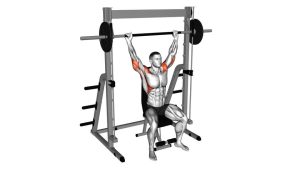
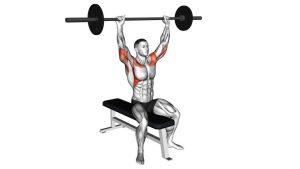
This exercise is ideal for building pressing strength and shoulder size when you want a movement that blends shoulder emphasis with upper chest involvement. The incline setup gives you better stability, which can help you train hard without relying on lower-back momentum. Focus on a controlled range of motion, steady tempo, and strong bench contact from start to finish.
Quick Overview
| Body Part | Shoulders |
|---|---|
| Primary Muscle | Anterior deltoids (front shoulders) |
| Secondary Muscle | Upper chest and triceps |
| Equipment | Barbell, weight plates, incline bench, rack |
| Difficulty | Intermediate |
Sets & Reps (By Goal)
- Muscle growth: 3–4 sets × 6–10 reps with 60–90 seconds rest
- Strength focus: 4–5 sets × 4–6 reps with 2–3 minutes rest
- Technique and control: 2–3 sets × 8–12 reps with moderate weight and strict tempo
- Upper-body push day accessory: 3 sets × 8–10 reps after your main pressing movement
Progression rule: Add small amounts of weight only when you can complete all reps with a stable bar path, full control on the descent, and no excessive arching or shoulder discomfort.
Setup / Starting Position
- Set the bench angle: Adjust the incline bench to roughly 60–75 degrees to emphasize the shoulders while still allowing upper chest contribution.
- Position the bar: Place the barbell in a rack at a height where you can unrack it safely without losing shoulder position.
- Sit tall: Press your upper back firmly into the bench and keep your chest lifted without over-arching the lower back.
- Plant your feet: Keep both feet flat on the floor for full-body stability.
- Grip the bar: Use a grip slightly wider than shoulder-width so your wrists can stay stacked above your elbows.
- Start at upper chest level: Unrack the bar and hold it near the upper chest or clavicle area with elbows slightly forward of the bar, not flared straight out.
Tip: Before each rep, brace your core and squeeze the bar hard to create better pressing stability.
Execution (Step-by-Step)
- Set your base: Keep your head, upper back, and hips supported by the bench while maintaining a tall chest and neutral wrist position.
- Press upward: Drive the bar up from the upper chest in a controlled path, pressing slightly back so the bar stays aligned over the shoulders.
- Extend smoothly: Straighten your arms near the top without aggressively slamming into full lockout.
- Pause briefly: Control the top position for a moment while keeping the shoulders packed and core braced.
- Lower with control: Bring the bar back down slowly to the upper chest area, keeping the elbows under the bar and the movement balanced.
- Repeat cleanly: Perform each repetition with the same range, tempo, and bar path rather than rushing through the set.
Pro Tips & Common Mistakes
- Use the right bench angle: Too low turns it into more of an upper chest press; too upright shifts it closer to a strict overhead press.
- Keep the bar path efficient: Press up and slightly back, not straight out in front of you.
- Do not bounce the bar: Lowering too fast reduces shoulder control and increases joint stress.
- Avoid over-flaring the elbows: Keep them in a strong pressing angle instead of forcing them directly out to the sides.
- Do not over-arch: Excessive spinal extension can shift tension away from the target muscles and strain the lower back.
- Control the negative: The lowering phase is where a lot of shoulder-building stimulus happens.
- Warm up first: Light pressing and shoulder mobility work can help improve bar path and comfort before heavy sets.
FAQ
What muscles does the Barbell Incline Shoulder Press work?
It primarily targets the front deltoids, while the upper chest and triceps assist throughout the press.
Is this more of a shoulder or chest exercise?
It is mainly a shoulder-focused pressing exercise, but the incline angle allows the upper chest to contribute more than it would in a fully upright shoulder press.
What bench angle is best for this exercise?
A bench angle around 60–75 degrees usually works best for emphasizing the shoulders while still keeping the movement stable and comfortable.
Can beginners use this exercise?
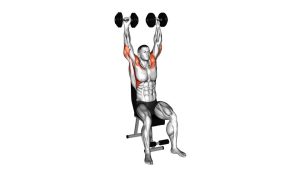
Yes, but beginners should start light, prioritize bar control, and ideally use a rack with safety awareness. Dumbbells may be easier at first for learning shoulder pressing mechanics.
Should I lower the bar all the way to the chest?
Lower the bar to a comfortable upper chest or clavicle-level position while keeping the shoulders stable. Do not force extra depth if it causes pain or your elbows lose alignment.
Recommended Equipment
- Olympic Barbell — the main tool for progressive pressing strength and muscle building
- Adjustable Incline Weight Bench — lets you set the proper bench angle for shoulder-focused pressing
- Barbell Weight Plates — essential for progressive overload and long-term strength gains
- Power Rack with Safety Arms — improves safety during unracking, pressing, and failed reps
- Wrist Wraps for Weightlifting — optional support if heavy pressing causes wrist discomfort
Tip: The best setup for this exercise is a stable bench, a solid rack, and manageable loading that lets you keep the movement smooth and repeatable.