Body Saw Plank: Proper Form, Sets, Benefits, Tips & FAQ
Learn how to do the Body Saw Plank with proper form to build core strength, shoulder stability, and anti-extension control. Includes setup, step-by-step execution, sets by goal, mistakes, FAQs, and recommended equipment.
Body Saw Plank
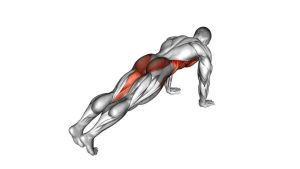
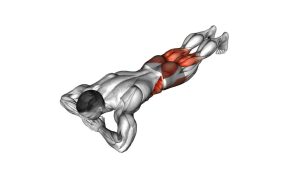
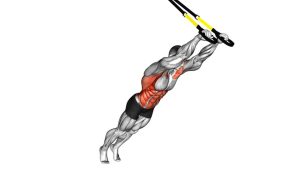
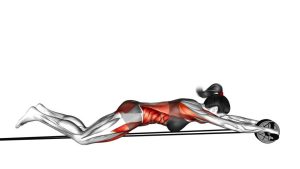
This exercise is excellent for building anti-extension core strength, which means your abs and deep core muscles must resist the urge to let the lower back sag as you glide forward. You should feel strong tension through the abdominals, front delts, and serratus, with the glutes and quads helping you keep a straight-body position throughout the set.
Quick Overview
| Body Part | Core |
|---|---|
| Primary Muscle | Rectus abdominis, transverse abdominis |
| Secondary Muscle | Anterior deltoids, serratus anterior, obliques, glutes, quads |
| Equipment | Bodyweight, optional sliders, towels, or suspension trainer |
| Difficulty | Intermediate to Advanced |
Sets & Reps (By Goal)
- Core strength: 3–4 sets × 8–12 controlled reps
- Shoulder stability and endurance: 2–4 sets × 20–40 seconds
- Warm-up activation: 2–3 sets × 6–8 short-range reps
- Advanced core finisher: 2–3 sets × 10–15 reps with slow tempo
Progression rule: Increase range of motion or time under tension only if you can keep a neutral spine, tight glutes, and smooth forward-backward movement without losing plank alignment.
Setup / Starting Position
- Get into a forearm plank: Place your elbows directly under your shoulders with forearms on the floor.
- Set your lower body: Extend your legs behind you and keep your feet together or hip-width apart.
- Brace the core: Squeeze your abs, glutes, and quads to create a straight line from head to heels.
- Position the head neutrally: Keep your neck long and your gaze slightly down.
- Prepare to glide: Use your toes as the pivot point and keep your body rigid before initiating movement.
Tip: Sliders or small towels under the feet can make the body saw smoother on certain surfaces, but the move can also be done with socks on a slick floor.
Execution (Step-by-Step)
- Start in a strong plank: Lock in your core and keep your ribs pulled down so the lower back stays neutral.
- Glide forward: Shift your body forward so your shoulders move slightly past your elbows while staying braced.
- Keep the body rigid: Move as one piece from shoulders to heels—do not let the hips drop or pike up.
- Pull back under control: Use your shoulders, abs, and toes to return to the starting plank position.
- Repeat smoothly: Continue for reps or time while maintaining tension and steady breathing.
Pro Tips & Common Mistakes
- Keep the ribs down: This helps prevent the lower back from overextending as you move forward.
- Squeeze the glutes: Strong glute tension helps hold a straight plank line.
- Use a small range first: A shorter glide with perfect control is better than a long sloppy rep.
- Do not rush: Fast reps reduce core tension and increase the chance of losing alignment.
- Shoulders stay active: Press the forearms into the ground and keep the upper back engaged.
- Avoid hip piking: Lifting the hips turns it into an easier plank variation and reduces the intended core demand.
FAQ
What muscles does the Body Saw Plank work the most?
The Body Saw Plank primarily targets the abs and deep core, especially the rectus abdominis and transverse abdominis. It also heavily challenges the front shoulders and shoulder stabilizers.
Is the Body Saw Plank better than a regular plank?
It is usually more challenging than a regular plank because the moving lever increases anti-extension demand. A regular plank is great for beginners, while the body saw is often better for people ready for a harder core progression.
How far forward should I move?
Only move as far as you can while keeping your spine neutral and your core tight. Even a small forward glide can be very effective.
Can beginners do Body Saw Planks?
Most beginners should first master a standard forearm plank, plank shoulder control, and basic core bracing before progressing to body saws.
Should I use sliders for this exercise?
Sliders are optional. They can make the movement smoother and more deliberate, but you can also perform the exercise using socks or towels on a slick surface.
Recommended Equipment (Optional)
- Exercise Sliders — ideal for creating a smooth forward-and-back body saw motion on most floor surfaces
- Exercise Mat / Forearm Support Mat — adds comfort for elbows and forearms during plank-based movements
- Suspension Trainer — a more advanced setup that increases instability and core demand
- Resistance Bands Set — useful for pairing with core warm-ups and shoulder activation before planks
- Ab Wheel — a strong progression option for people building toward even more advanced anti-extension core work
Tip: Choose tools that help you maintain control and comfort. Better setup usually means better positioning and more effective reps.