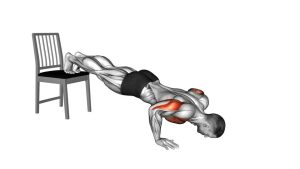
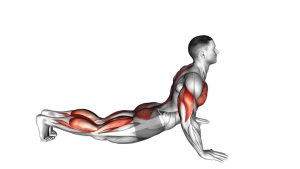
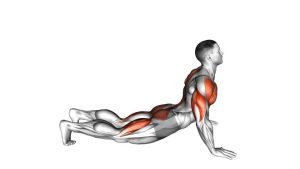
Deep Push-Up Hold: Form, Muscles Worked, Sets, Tips & FAQ
Learn how to perform the Deep Push-Up Hold with proper form to build chest strength, bottom-range control, and upper-body stability. Includes muscles worked, sets and reps by goal, setup, mistakes, FAQ, and recommended equipment.
Deep Push-Up Hold
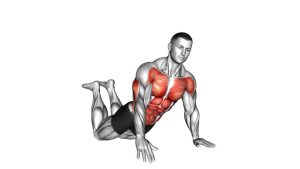
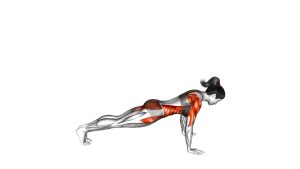
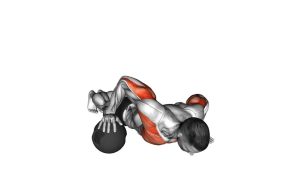
This exercise is most effective when performed with a slow descent, a tight plank position, and a deliberate pause close to the floor. The goal is not simply to survive the hold, but to maintain a strong body line while keeping tension centered in the chest and arms. The deeper the position, the more demanding the hold becomes—so only lower as far as you can while preserving form.
Quick Overview
| Body Part | Chest |
|---|---|
| Primary Muscle | Pectoralis major |
| Secondary Muscle | Triceps brachii, anterior deltoids, serratus anterior, core stabilizers |
| Equipment | Bodyweight only (optional: push-up bars, mat, weighted vest) |
| Difficulty | Intermediate |
Sets & Reps (By Goal)
- Technique practice: 2–3 sets × 8–15 second holds, 45–75 seconds rest
- Strength in the bottom range: 3–5 sets × 10–20 second holds, 60–90 seconds rest
- Muscular endurance: 2–4 sets × 20–30 second holds, 60 seconds rest
- Push-up accessory work: 2–3 sets × 10–15 second holds after regular push-up sets
Progression rule: First increase the quality and duration of the hold. Then increase difficulty by using a deeper position, slowing the descent more, elevating the feet, or adding light external load.
Setup / Starting Position
- Get into a high plank: Place your hands slightly wider than shoulder width with fingers pointing forward.
- Set a rigid body line: Brace the abs, squeeze the glutes, and keep your body straight from head to heels.
- Stack your upper body: Shoulders start over or slightly in front of the wrists, with the neck neutral and eyes down.
- Create full-body tension: Drive the floor away lightly before you descend so the plank stays solid.
- Use your toes as anchors: Push through the balls of the feet to stabilize the lower body during the hold.
Tip: If flat-hand push-ups bother your wrists, use push-up bars or parallettes to keep the wrists more neutral.
Execution (Step-by-Step)
- Lower under control: Bend your elbows and descend slowly, keeping the torso rigid and the chest moving toward the floor.
- Reach the deep working range: Stop just above the floor, or at the deepest position you can hold without losing posture.
- Hold the position: Keep the chest, triceps, and shoulders under tension while maintaining a straight line from shoulders to heels.
- Keep elbows controlled: Let them angle back rather than flare excessively out to the sides.
- Breathe calmly: Use short, controlled breaths instead of holding your breath and bracing too hard.
- Finish with intent: Either push back to the top under control or lower to the floor and reset if the hold is complete.
Pro Tips & Common Mistakes
- Own the descent: A slow lowering phase improves positioning and makes the hold safer and more effective.
- Stay just shy of collapse: Do not sink so low that the shoulders dump forward or the chest loses tension.
- Keep the core locked in: A broken plank turns this into a low-back endurance test instead of a chest isometric.
- Do not flare the elbows too wide: Moderate elbow angle usually feels stronger and more shoulder-friendly.
- Do not hold your breath: Breathing helps you maintain control during longer holds.
- Use quality over ego: A clean 10-second hold is more valuable than a sloppy 25-second grind.
- Progress gradually: Increase hold time before adding load, feet elevation, or advanced variations.
FAQ
What muscles does the Deep Push-Up Hold work most?
The primary target is the chest, especially the pectoralis major. The triceps, front delts, and core stabilizers also work hard to maintain the bottom position.
Is this better for strength or endurance?
It can improve both, depending on how you program it. Shorter, harder holds build more bottom-range strength, while longer holds challenge isometric endurance and control.
How low should I go?
Go as low as you can while keeping a straight body line and stable shoulders. The best depth is the deepest position you can hold with control, not the deepest position you can barely survive.
Can beginners do this exercise?
Many beginners will find the full version too demanding. A better entry point is a push-up hold from the knees, an incline push-up hold, or shorter holds at a slightly higher position.
Can I use this to improve my regular push-ups?
Yes. The Deep Push-Up Hold is excellent for strengthening the hardest part of the push-up—the bottom range—so it can help improve control, confidence, and force production when you return to full reps.
Recommended Equipment
- Push-Up Bars — useful for a more neutral wrist position and often a deeper working range
- Exercise Mat — adds comfort for hands, toes, and floor training sessions
- Resistance Bands Set — great for accessory chest work, warm-ups, and press/fly variations
- Weighted Vest — an advanced progression for stronger lifters who can already hold clean bodyweight reps
- Wrist Wraps — optional support if long push-up sessions irritate the wrists
Amazon currently lists dedicated categories and search results for push-up bars, exercise mats, resistance bands, weighted vests, and wrist-support accessories, which makes them practical equipment pairings for this style of chest training. :contentReference[oaicite:0]{index=0}