Dumbbell Alternate Z Press: Form, Sets, Core Tips & Shoulder Strength
Learn the Dumbbell Alternate Z Press for stronger shoulders, triceps, and core control. Includes setup, execution, mistakes, FAQs, and equipment.
Dumbbell Alternate Z Press
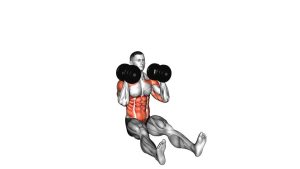
This movement is best performed with a controlled tempo and a tall seated position. Since the body is seated directly on the floor, the core must work harder to keep the torso steady while each dumbbell moves overhead. Therefore, the goal is not only to press the weight up, but also to avoid leaning, twisting, or rushing the alternating pattern.
Quick Overview
| Body Part | Shoulders |
|---|---|
| Primary Muscle | Deltoids, especially the front shoulders |
| Secondary Muscle | Triceps, upper chest, upper back stabilizers, abs, and obliques |
| Equipment | Pair of dumbbells and an exercise mat |
| Difficulty | Intermediate because the seated floor position requires strong posture and core control |
Sets & Reps (By Goal)
- Strength focus: 3–5 sets × 4–6 reps per side using controlled, heavy-but-clean dumbbells.
- Muscle building: 3–4 sets × 8–12 reps per side with a steady tempo and full overhead control.
- Shoulder stability: 2–4 sets × 6–10 reps per side using lighter dumbbells and slower lowering.
- Core control practice: 2–3 sets × 8–10 reps per side while keeping the torso as still as possible.
Progression rule: Add reps first, then increase dumbbell weight only when you can press each side without leaning backward, twisting through the torso, or dropping the non-working dumbbell.
Setup / Starting Position
- Sit on the floor: Extend both legs forward and keep your heels on the ground.
- Hold two dumbbells: Bring the dumbbells to shoulder height with your elbows bent and slightly forward.
- Brace your core: Keep your ribs controlled and avoid excessive lower-back arching.
- Set your posture: Sit tall while keeping your chest open and your shoulders stable.
- Prepare to alternate: Keep one dumbbell still at shoulder level while the opposite arm begins the press.
Tip: If your hamstrings are tight and your back rounds, slightly bend your knees while still keeping the exercise seated on the floor.
Execution (Step-by-Step)
- Start with both dumbbells at shoulder height: Keep your torso steady before the first press begins.
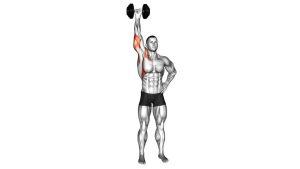
- Press one dumbbell overhead: Drive one arm upward until the elbow reaches a strong overhead position.
- Keep the other dumbbell still: Hold the non-working dumbbell at shoulder level without letting it drop.
- Control the top position: Stack the wrist over the elbow and shoulder as much as your mobility allows.
- Lower slowly: Bring the dumbbell back to shoulder height with control instead of letting it fall.
- Switch sides: Press the opposite dumbbell overhead while the first dumbbell stays parked at shoulder level.
- Repeat the pattern: Continue alternating sides while keeping your legs, torso, and ribs stable.
Pro Tips & Common Mistakes
- Press vertically: Move the dumbbell upward in a clean path rather than letting it drift too far forward.
- Control the parked dumbbell: The non-working side should stay active at shoulder height throughout the rep.
- Avoid leaning backward: If your torso leans too much, reduce the weight and brace harder.
- Do not rush the switch: Reset both dumbbells at shoulder level before pressing the opposite side.
- Keep your ribs down: Overarching the lower back turns the exercise into a compensation pattern.
- Use a smooth lockout: Finish each rep with control instead of snapping the elbow aggressively.
- Choose smart weight: Since the floor position removes leg drive, lighter dumbbells often create better reps.
FAQ
What is the Dumbbell Alternate Z Press good for?
The Dumbbell Alternate Z Press is useful for building shoulder strength, triceps strength, overhead stability, and core control. Because you sit on the floor, your body has less help from the legs and hips, so the press becomes more strict.
Is the Dumbbell Alternate Z Press harder than a seated dumbbell press?
Yes, it is usually harder because there is no backrest and no leg drive. As a result, your core and upper back must work harder to keep your torso stable while each dumbbell moves overhead.
Should my legs stay completely straight?
Straight legs are common in a Z press. However, if tight hamstrings cause your lower back to round, a slight knee bend is acceptable. The main goal is to keep your torso controlled and your press clean.
Why do I lean backward during the press?
Leaning backward usually happens when the dumbbells are too heavy, your core is not braced enough, or your overhead mobility is limited. Reduce the load and focus on pressing with a steady torso.
Can beginners do this exercise?
Beginners can practice the movement with very light dumbbells, but the full exercise is better suited for intermediate trainees. A standard seated dumbbell press may be easier before progressing to the floor-seated Z press position.
Recommended Equipment
- Adjustable Dumbbells — ideal for progressing the Z press without needing many separate dumbbell pairs.
- Hex Dumbbell Set — stable, durable dumbbells for shoulder pressing and home strength training.
- Thick Exercise Mat — adds comfort while sitting on the floor during Z press variations.
- Weightlifting Wrist Wraps — helpful for wrist support during heavier dumbbell pressing sessions.
- Resistance Bands — useful for shoulder warm-ups, band pull-aparts, and external rotation drills before pressing.
Tip: For this exercise, prioritize dumbbells you can control smoothly. Better control creates stronger shoulder mechanics than using a heavier weight with leaning or rushed reps.