Forearm Push-Up: Proper Form, Muscles Worked, Sets, Tips & FAQ
Learn how to do the Forearm Push-Up with proper form. Discover muscles worked, setup, step-by-step execution, sets and reps by goal, common mistakes, FAQs, and recommended equipment.
Forearm Push-Up
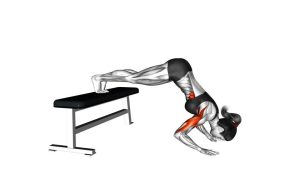
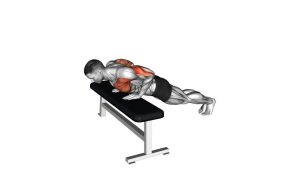
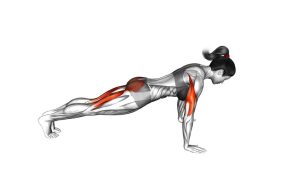
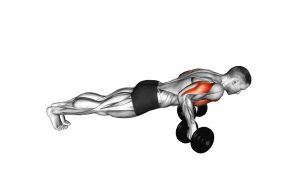
This movement is best performed with strict control, not speed. You should maintain a straight body line from head to heels while resisting torso twist, hip sag, and elbow flare. Because the exercise blends plank stability with pressing strength, it is highly effective for improving triceps endurance, shoulder stability, and core bracing.
Quick Overview
| Body Part | Triceps |
|---|---|
| Primary Muscle | Triceps brachii |
| Secondary Muscle | Anterior deltoids, pectorals, serratus anterior, abdominals |
| Equipment | Bodyweight only (exercise mat optional) |
| Difficulty | Intermediate |
Sets & Reps (By Goal)
- Strength focus: 3–5 sets × 4–8 reps, 75–120 sec rest
- Muscle endurance: 2–4 sets × 8–15 reps, 45–75 sec rest
- Core + stability training: 2–4 sets × 6–10 controlled reps, 45–60 sec rest
- Bodyweight finisher: 1–3 sets close to technical fatigue with perfect form
Progression rule: First improve control and reduce torso rotation. Then add reps, slow the tempo, or pause briefly on the forearms before pressing back up.
Setup / Starting Position
- Begin in a high plank: Place your hands directly under your shoulders with arms straight.
- Set a rigid body line: Keep your head, torso, hips, and legs aligned from top to bottom.
- Brace the core: Tighten your abs and glutes to prevent hip drop or lower-back arching.
- Position the feet: Keep them hip-width or slightly wider for extra balance if needed.
- Prepare the elbows: Keep them close to the body rather than flaring outward.
Tip: A slightly wider foot stance makes it easier to resist rotation during the transition.
Execution (Step-by-Step)
- Start in a strong plank: Press the floor away and keep your shoulders stable.
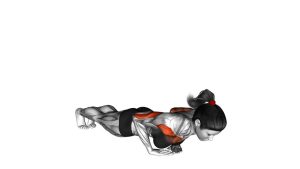
- Lower one arm at a time to the forearms: Bring one forearm down under control, then the other, until you are in a forearm plank.
- Pause briefly: Hold the forearm plank for a moment while keeping the torso square and tight.
- Press back up: Place one hand back on the floor, then the other, and extend the elbows to return to the high plank.
- Alternate the lead arm if desired: Switch which arm lowers first and presses first to keep the work balanced.
Pro Tips & Common Mistakes
- Keep the elbows tucked: This increases triceps involvement and helps protect the shoulders.
- Move slowly: Fast reps often turn this into a sloppy conditioning drill instead of a strict strength exercise.
- Do not let the hips swing: Excessive rotation reduces tension on the target muscles and stresses the lower back.
- Brace the glutes and abs: A tight trunk makes the transition smoother and safer.
- Press evenly through the hands: Avoid collapsing into one shoulder on the way back up.
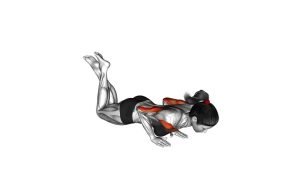
- Use regressions when needed: Perform the exercise from the knees or elevate the hands if full reps are too difficult.
FAQ
What muscles does the Forearm Push-Up work most?
The exercise mainly targets the triceps, while also training the front shoulders, chest, and core to stabilize the body during the transition.
Is this the same as a plank-to-push-up?
Yes, this is essentially a strict plank-to-push-up variation. In this version, the goal is controlled pressing and minimal torso movement rather than fast conditioning reps.
Why do my hips twist during the movement?
Hip rotation usually happens when the exercise is too difficult or performed too quickly. Widen your feet, slow the tempo, and brace your core harder to stay square.
Can beginners do forearm push-ups?
Beginners can learn the pattern, but many will need an easier variation first, such as knee plank-to-push-ups, incline versions, or standard forearm planks to build enough control and strength.
Should I alternate which arm leads each rep?
Yes. Alternating the lead arm is a smart way to keep the workload more balanced between sides and reduce repeated stress on one shoulder.
Recommended Equipment (Optional)
- Push-Up Bars — can improve wrist comfort and provide a more stable pressing position
- Exercise Mat — adds comfort for the forearms, hands, and knees during training or regressions
- Resistance Bands Set — useful for accessory triceps, shoulder, and core work to support progress
- Core Sliders — great for building additional plank control and anti-rotation strength
- Ab Wheel Kit — helps strengthen the trunk for better plank rigidity and body control
Tip: For this exercise, the most useful optional item is usually a good exercise mat. Comfort on the forearms often improves control and consistency.