Bodyweight Triceps Extension from Plank Position: Form, Sets, Tips & FAQ
Learn how to do the Bodyweight Triceps Extension from Plank Position with proper form. Discover muscles worked, setup, execution steps, sets by goal, mistakes to avoid, FAQs, and recommended equipment.
Bodyweight Triceps Extension from Plank Position
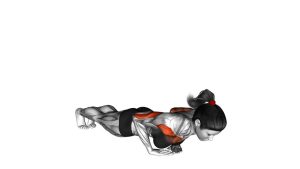
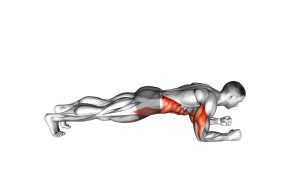
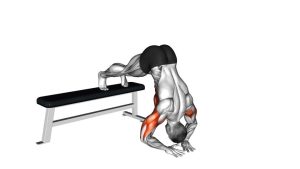
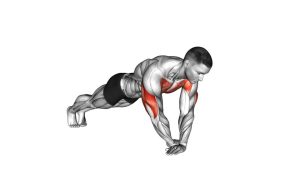
This exercise works best when you treat the entire body like a moving plank. The hands stay planted, the elbows track back, and the torso stays braced from shoulders to heels. You should feel strong tension in the triceps, with the core and shoulders supporting position. If the hips sag, elbows flare, or the movement turns into a chest-dominant press, reduce the range and focus on cleaner mechanics.
Quick Overview
| Body Part | Triceps |
|---|---|
| Primary Muscle | Triceps brachii |
| Secondary Muscle | Anterior deltoids, chest stabilizers, serratus anterior, rectus abdominis, obliques, glutes |
| Equipment | Bodyweight only (optional: push-up bars, mat, weighted vest, sliders, bands) |
| Difficulty | Intermediate (advanced for beginners with limited core or elbow control) |
Sets & Reps (By Goal)
- Strength focus: 3–5 sets × 5–8 reps (60–120 sec rest)
- Muscle building: 3–4 sets × 8–12 reps (45–90 sec rest)
- Control and form practice: 2–4 sets × 6–10 reps (slow tempo, 45–75 sec rest)
- Calisthenics accessory work: 2–3 sets × 10–15 reps (moderate effort, clean technique)
Progression rule: First improve range of motion and body alignment, then add reps. After that, increase difficulty with slower eccentrics, pause reps, or a light weighted vest.
Setup / Starting Position
- Start in a high plank: Place your hands on the floor shoulder-width apart or slightly narrower, with arms straight.
- Create a straight line: Brace your core, squeeze your glutes, and align head, torso, hips, and heels.
- Set your hands firmly: Spread the fingers and grip the floor for stability. Push the ground away slightly to stay active through the shoulders.
- Position the elbows: Rotate the elbow pits slightly forward and prepare to keep the elbows tracking back rather than flaring wide.
- Lock in your posture: Keep the neck neutral and gaze slightly ahead of the hands.
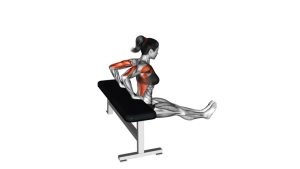
Tip: If the standard floor version feels too hard, elevate your hands on a bench, box, or sturdy surface to reduce the load.
Execution (Step-by-Step)
- Brace before moving: Tighten your abs and glutes so your body stays rigid like a plank.
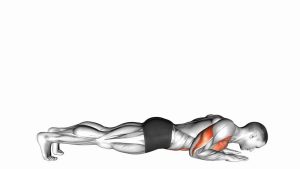
- Bend the elbows: Slowly lower your body by flexing at the elbows while keeping them close to your sides.
- Shift forward naturally: Let the body travel slightly forward as your forearms angle toward the floor.
- Lower under control: Stop when your elbows are deeply bent and your body is just above the floor, without collapsing.
- Press back up: Extend the elbows forcefully to return to the starting plank position.
- Finish tall: Reach full elbow extension without letting the hips sag or the shoulders shrug excessively.
Pro Tips & Common Mistakes
- Keep elbows tucked: This keeps tension on the triceps and prevents the movement from becoming chest-dominant.
- Stay in one line: Don’t let the hips drop or rise as you move.
- Use a slow lowering phase: A 2–4 second eccentric improves control and increases triceps tension.
- Don’t rush lockout: Extend with control instead of bouncing out of the bottom.
- Watch wrist comfort: If the floor position bothers your wrists, try push-up bars or parallettes.
- Reduce leverage if needed: Elevating the hands is one of the best regressions for beginners.
- Avoid flared elbows: This is one of the most common mistakes and usually shifts tension away from the triceps.
FAQ
What muscles does the Bodyweight Triceps Extension from Plank Position work?
The main target is the triceps brachii. The movement also challenges the shoulders, chest stabilizers, serratus anterior, and core to keep your body rigid during each rep.
Is this exercise better than regular push-ups for triceps?
For direct triceps emphasis, yes—this variation usually places more stress on elbow extension and less on chest pressing than a standard push-up, especially when the elbows stay tucked.
Can beginners do this exercise?
Beginners can do it with a regression, such as placing the hands on a bench, box, or wall. The full floor version is often too demanding for beginners who are still building core and triceps strength.
How do I make it harder?
You can increase difficulty by slowing the tempo, pausing at the bottom, increasing reps, elevating the feet, or using a light weighted vest once your technique is solid.
Why do my shoulders or wrists feel it more than my triceps?
That usually happens when your elbows flare, your body loses alignment, or your wrists do not tolerate the floor position well. Try narrower elbow tracking, stronger core bracing, and push-up bars if needed.
Recommended Equipment
- Push-Up Bars / Parallettes — useful for a more neutral wrist position and deeper range of motion
- High-Density Exercise Mat — adds comfort and floor protection during plank-based bodyweight training
- Adjustable Weighted Vest — a strong progression tool once bodyweight reps become too easy
- Core Sliders — great for supporting plank control drills and related bodyweight core work
- Resistance Bands Set — useful for warm-ups, triceps activation, and extra arm training volume
Tip: Start with the floor-only version first. Add accessories only when they clearly improve comfort, progression, or training variety.