Kettlebell Arm Bar: Shoulder Stability, Mobility, Form & Tips
Learn the Kettlebell Arm Bar for shoulder stability, rotator cuff control, thoracic mobility, safe setup, reps, mistakes, FAQs, and gear.
Kettlebell Arm Bar
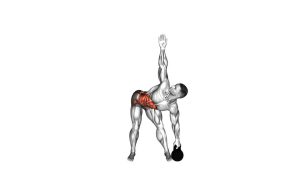
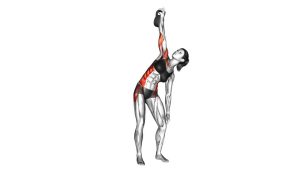
This movement is best used as a shoulder prep, mobility, prehab, or stability exercise. It helps teach the shoulder to stay packed while the torso rotates, making it useful for lifters, kettlebell users, overhead athletes, and anyone who needs stronger shoulder control. Keep the kettlebell light enough that you can maintain a straight wrist, locked elbow, calm breathing, and a stable overhead position.
Quick Overview
| Body Part | Shoulders |
|---|---|
| Primary Muscle | Rotator cuff and shoulder stabilizers |
| Secondary Muscle | Scapular stabilizers, core, obliques, thoracic spine muscles, glutes |
| Equipment | Kettlebell and exercise mat |
| Difficulty | Intermediate because it requires shoulder control, coordination, and safe kettlebell handling |
Sets & Reps (By Goal)
- Shoulder warm-up: 1–2 sets × 3–5 slow reps per side using a light kettlebell
- Mobility and control: 2–3 sets × 3–6 reps per side with a 3–5 second pause in the end position
- Stability practice: 3–4 sets × 2–4 high-quality reps per side with controlled breathing
- Prehab-style training: 2–3 sets × 3–5 reps per side, focusing on smooth rotation and zero pain
Progression rule: Improve control before increasing weight. Add a longer pause, slower tempo, or cleaner rotation before choosing a heavier kettlebell.
Setup / Starting Position
- Lie on your back: Start flat on the floor with one kettlebell positioned safely beside your working shoulder.
- Grip the kettlebell: Roll slightly toward the bell, secure the handle, and bring it close to your chest before pressing it up.
- Lock out the working arm: Press the kettlebell vertically above the shoulder with the wrist straight and elbow fully extended.
- Bend the same-side knee: Keep the knee on the kettlebell side bent to help initiate the body roll.
- Extend the opposite leg: Let the non-working-side leg stay long and relaxed on the floor.
- Set your eyes: Look at the kettlebell throughout the movement to help maintain awareness and balance.
Tip: Before rotating, make sure the kettlebell is stacked directly over the shoulder. If it drifts, reset before continuing.
Execution (Step-by-Step)
- Pack the shoulder: Pull the working shoulder slightly down and back without bending the elbow.
- Begin the roll: Push lightly through the bent leg and rotate your torso toward the non-working side.
- Keep the bell vertical: Let your body move under the kettlebell while the arm stays tall, steady, and stacked.
- Rotate to your side: Continue turning until your chest opens and your body reaches a side-lying position.
- Move toward the arm bar position: Slowly rotate farther until your torso is close to facing the floor while the kettlebell remains overhead.
- Pause and breathe: Hold the end position briefly while keeping the wrist neutral, elbow locked, and shoulder stable.
- Return under control: Reverse the movement slowly, rolling back to your side and then to your starting supine position.
- Reset before the next rep: Re-stack the kettlebell over the shoulder before beginning another repetition.
Pro Tips & Common Mistakes
- Use a light kettlebell: This is not a max-strength lift. Control matters more than load.
- Keep your wrist straight: Avoid letting the kettlebell pull the wrist backward.
- Do not bend the elbow: A soft or bending elbow reduces shoulder stability and increases risk.
- Move slowly: Fast rolling makes it harder to keep the shoulder packed and the bell stacked.
- Keep watching the kettlebell: Your eyes help guide balance and awareness.
- Avoid shrugging: Keep the shoulder away from the ear while maintaining tension through the upper back.
- Do not force end range: Rotate only as far as your shoulder and thoracic spine allow comfortably.
- Breathe in the hold: Calm breathing helps reduce unnecessary neck and trap tension.
- Control the return: The way back is just as important as the roll into position.
FAQ
What muscles does the Kettlebell Arm Bar work?
The Kettlebell Arm Bar mainly trains the rotator cuff and shoulder stabilizers. It also works the scapular stabilizers, core, obliques, thoracic spine muscles, and glutes during the rolling phase.
Is the Kettlebell Arm Bar a strength exercise or mobility exercise?
It is both, but it is best classified as a mobility and stability drill. The kettlebell creates a stability challenge while the body rotation encourages shoulder and thoracic mobility.
How heavy should the kettlebell be?
Start very light. Choose a kettlebell that allows a straight wrist, locked elbow, stable shoulder, and slow body rotation. If you cannot pause and breathe calmly, the bell is too heavy.
Should beginners do the Kettlebell Arm Bar?
Beginners can practice the pattern without weight first or with a very light object. Because a kettlebell is held above the body, the full version is better for people who already have basic shoulder control.
Why does my shoulder feel unstable during the movement?
Instability usually comes from using too much weight, rushing the roll, losing the vertical arm stack, or allowing the shoulder to shrug. Reduce the load and focus on slow, clean positioning.
Can the Kettlebell Arm Bar help overhead pressing?
Yes. It can improve shoulder awareness, overhead stability, rotator cuff control, and thoracic rotation, which can support better pressing mechanics when combined with proper strength training.
Recommended Equipment
- Cast Iron Kettlebell — the main tool for practicing the Kettlebell Arm Bar with stable weight distribution
- Competition Kettlebell — useful for consistent size and predictable handling across different weights
- Thick Exercise Mat — adds comfort for floor-based rolling and shoulder mobility work
- Lifting Wrist Wraps — optional support if wrist positioning needs extra awareness during kettlebell work
- Light Resistance Bands — useful for rotator cuff warm-ups before practicing loaded arm bars
Tip: For this exercise, lighter equipment is often better. The best kettlebell is the one you can control without wrist collapse, elbow bend, or shoulder discomfort.