Dumbbell Half-Kneeling Military Press: Proper Form, Sets, Benefits & FAQ
Learn how to do the Dumbbell Half-Kneeling Military Press with proper form. Build shoulder strength, core stability, and pressing control with setup tips, execution steps, mistakes to avoid, FAQs, and recommended equipment.
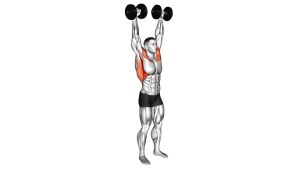
Dumbbell Half-Kneeling Military Press
This exercise is especially useful for lifters who want to improve overhead mechanics, reduce excessive back arching, and build better left-to-right pressing balance. The half-kneeling position encourages a more organized torso, stronger glute engagement, and a steadier path for the dumbbell. It works well as a main accessory lift, a shoulder-strength movement, or a technique-builder before heavier standing presses.
Quick Overview
| Body Part | Shoulders |
|---|---|
| Primary Muscle | Anterior deltoid |
| Secondary Muscle | Medial deltoid, triceps, upper chest, obliques, deep core stabilizers, glutes |
| Equipment | 1 dumbbell, optional exercise mat or kneeling pad |
| Difficulty | Beginner to Intermediate |
Sets & Reps (By Goal)
- Technique and shoulder control: 2–3 sets × 8–10 reps per side with light-to-moderate load
- Muscle building: 3–4 sets × 8–12 reps per side with controlled tempo
- Strength emphasis: 4–5 sets × 4–6 reps per side with heavier weight and full rest
- Warm-up or activation: 1–2 sets × 6–8 reps per side using a light dumbbell
Progression rule: Build clean reps first. Increase load only when you can press overhead without rib flare, leaning, or losing balance in the half-kneeling stance.
Setup / Starting Position
- Set the stance: Move into a half-kneeling position with one knee down and the opposite foot planted in front at about 90 degrees.
- Choose the working arm: Hold one dumbbell at shoulder height on the pressing side with the forearm vertical.
- Stack the body: Keep the torso tall, ribs down, chin neutral, and shoulders level.
- Brace the core: Tighten the abs and squeeze the glute on the kneeling side to reduce low-back arching.
- Align the wrist and elbow: Keep the wrist neutral and the elbow slightly in front of the shoulder, not flared too wide.
Tip: Many lifters feel more stable pressing with the leg opposite the working arm forward, but both setups can be used depending on your coaching goal.
Execution (Step-by-Step)
- Start tight: Brace your core, squeeze the glute on the down-knee side, and keep the torso upright.
- Press upward: Drive the dumbbell straight overhead in a smooth vertical path.
- Reach the top under control: Finish with the elbow extended and the biceps close to the ear without shrugging excessively.
- Pause briefly: Stabilize the top position for a moment while maintaining rib control and balance.
- Lower slowly: Bring the dumbbell back to shoulder height with control, keeping the forearm stacked and the torso steady.
- Repeat evenly: Complete all reps on one side or alternate sides based on your program.
Pro Tips & Common Mistakes
- Keep ribs down: Don’t turn the overhead press into a low-back extension drill.
- Press straight up: Avoid drifting the dumbbell too far forward in front of the body.
- Use the glutes: Squeezing the glute on the kneeling side improves pelvic control and stability.
- Stay tall through the torso: Don’t lean away from the working arm to finish the rep.
- Control the lowering phase: The eccentric helps build shoulder stability and better pressing mechanics.
- Don’t flare the elbow too much: A slightly forward elbow position usually feels safer and stronger.
- Start lighter than you think: The half-kneeling position exposes weak links fast, especially in the core.
FAQ
What does the half-kneeling position add to the shoulder press?
It reduces momentum, increases core demand, and helps you practice a more controlled overhead path. It is also useful for improving balance and pressing symmetry.
Which leg should go forward?
Both options can work. Many coaches use the opposite leg forward from the pressing arm because it challenges anti-rotation control, but same-side forward can also be used depending on the training goal.
Is this better than a standing dumbbell shoulder press?
It is not automatically better, but it is often better for learning technique, improving stability, and reducing cheating. Standing presses usually allow more load, while half-kneeling presses emphasize control.
What if I feel my lower back during the press?
That usually means you are arching too much or losing core position. Use a lighter dumbbell, squeeze the glute on the kneeling side, and keep your ribs stacked over your pelvis.
Can beginners use this exercise?
Yes. It is beginner-friendly when the load is kept light and the focus stays on posture, balance, and a smooth pressing path.
Recommended Equipment
- Adjustable Dumbbell — ideal for progressive overload without needing a full rack of weights
- Kneeling Pad for Exercise — adds comfort and stability for the down knee during longer pressing sets
- Exercise Balance Pad — useful for knee cushioning, support work, and added stability drills
- Resistance Bands Set — great for shoulder warm-ups, activation work, and accessory pressing prep
- Shoulder Mobility / Rehab Bands — useful for prehab, rotator cuff prep, and improving pressing readiness
Tip: Keep your setup simple. One good dumbbell and a comfortable kneeling surface are enough to make this exercise effective.