Kettlebell Upright Row: Proper Form, Shoulder Benefits, Sets & Common Mistakes
Learn how to do the Kettlebell Upright Row with proper form to build stronger shoulders and upper traps. Includes setup, execution, sets and reps by goal, common mistakes, FAQs, and recommended equipment.
Kettlebell Upright Row
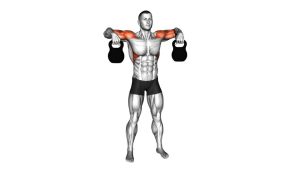
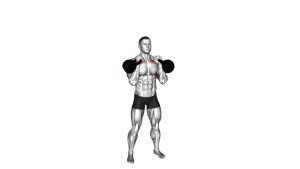
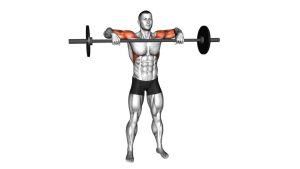
This exercise works best with a controlled tempo and moderate range of motion. The goal is to raise the kettlebell by driving the elbows upward while keeping the wrists below the elbows and the torso steady. You should feel the movement mainly in the side shoulders, with assistance from the upper traps and forearms for grip stability.
Quick Overview
| Body Part | Shoulders |
|---|---|
| Primary Muscle | Lateral deltoids |
| Secondary Muscle | Upper trapezius, anterior deltoids, forearms |
| Equipment | Kettlebell |
| Difficulty | Beginner to Intermediate |
Sets & Reps (By Goal)
- Muscle building: 3-4 sets × 8-12 reps with 60-90 seconds rest
- Shoulder strength: 4-5 sets × 5-8 reps with 90-120 seconds rest
- Technique practice: 2-3 sets × 10-15 reps using a lighter kettlebell and strict control
- Warm-up activation: 2 sets × 12-15 reps with light load and smooth tempo
Progression rule: Add reps first, then increase load gradually. If your elbows stop leading the lift or you start using body sway, the weight is too heavy for clean shoulder-focused reps.
Setup / Starting Position
- Stand tall: Place your feet about hip- to shoulder-width apart and brace your core.
- Hold the kettlebell: Grip the handle with both hands so the kettlebell hangs in front of your thighs.
- Set posture: Keep the chest up, shoulders down and back, and neck neutral.
- Arms long but not locked: Let the kettlebell hang naturally with a slight bend in the elbows.
- Prepare for a vertical pull: Keep the weight close to the body before you start the rep.
Tip: Start with a lighter kettlebell than you think you need. Clean technique matters more than load on this exercise.
Execution (Step-by-Step)
- Initiate the row: Pull the kettlebell straight upward close to your torso.
- Lead with the elbows: Drive the elbows up and outward while keeping the wrists below the elbows.
- Lift under control: Raise the kettlebell to roughly mid-torso or upper-ab level, or as high as you can without shoulder discomfort.
- Pause briefly: Squeeze the shoulders at the top without shrugging excessively.
- Lower slowly: Bring the kettlebell back down in a controlled path to the starting position.
- Repeat smoothly: Maintain posture and avoid bouncing into the next rep.
Pro Tips & Common Mistakes
- Lead with the elbows: Think elbows up, not hands up.
- Keep the weight close: Letting the kettlebell drift away from the body reduces control.
- Do not pull too high: Stop at a range that feels strong and pain-free.
- Avoid momentum: Swinging the kettlebell turns this into a sloppy full-body movement.
- Keep wrists relaxed: Do not curl the wrists aggressively at the top.
- Stay tall: Avoid leaning back, shrugging hard, or jutting the head forward.
- Use moderate load: Shoulder mechanics matter more than chasing heavier weight here.
FAQ
What muscles does the kettlebell upright row work?
The exercise mainly targets the lateral deltoids. It also involves the upper traps, front delts, and forearms for grip and control.
Is the kettlebell upright row good for shoulder growth?
Yes, it can be effective for building the side shoulders when done with strict form, controlled tempo, and a shoulder-friendly range of motion.
How high should I pull the kettlebell?
Pull only as high as you can while keeping the shoulders comfortable and the elbows leading the movement. For many lifters, mid-torso to upper-ab or lower-chest height works well.
Can beginners do this exercise?
Yes. Beginners should start light, focus on posture, and avoid turning the rep into a fast swing. Smooth technique is the priority.
What are the most common mistakes?
The most common mistakes are using too much weight, yanking the kettlebell upward, pulling too high, and letting the wrists or shoulders take over the movement.
Recommended Equipment
- Adjustable Kettlebell — versatile option for progressing load without buying multiple kettlebells
- Cast Iron Kettlebell — simple, durable choice for upright rows and general strength work
- Resistance Bands Set — helpful for shoulder warm-ups, lateral raises, face pulls, and mobility drills
- Workout Grips or Lifting Gloves — useful if grip fatigue limits shoulder-focused training
- Foam Roller — useful for upper-back and shoulder mobility work before or after training
Tip: Choose a kettlebell that lets you control the full rep path without body swing. For hypertrophy work, moderate load and smooth reps usually outperform ego lifting.