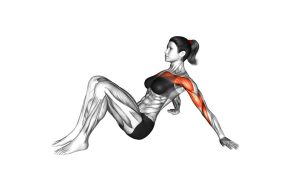
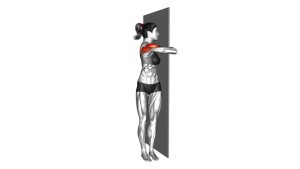
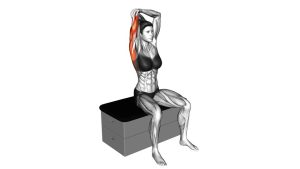
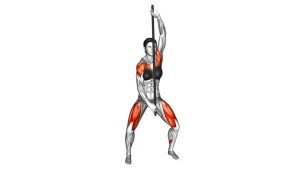
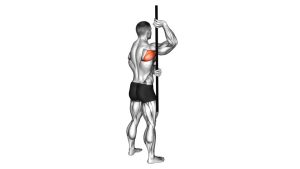
Rear Deltoid Stretch: Proper Form, Hold Time, Tips & FAQ
Learn how to do the Rear Deltoid Stretch with proper form to improve shoulder mobility and reduce tightness in the back of the shoulder. Includes setup, execution, hold times, common mistakes, FAQs, and recommended equipment.
Rear Deltoid Stretch
This stretch is commonly used in warm-ups, cooldowns, and daily mobility work for people who feel stiffness from weight training, desk posture, or repetitive upper-body activity. It works best when the stretch is applied gradually, without twisting the torso or forcing the arm too far across the body.
Quick Overview
| Body Part | Rear Shoulders |
|---|---|
| Primary Muscle | Posterior deltoid (rear deltoid) |
| Secondary Muscle | Rotator cuff muscles and posterior shoulder soft tissues |
| Equipment | None |
| Difficulty | Beginner |
Sets & Reps (By Goal)
- General mobility: 2–4 rounds per side × 20–30 second hold
- Warm-up before training: 1–2 rounds per side × 15–20 second hold
- Post-workout recovery: 2–3 rounds per side × 20–30 second hold
- Tight shoulders / desk posture: 2–4 rounds per side × 30 second hold, 4–6 days per week
Progression rule: Increase time under stretch gradually, not intensity. Better results usually come from consistent gentle holds than from pulling harder.
Setup / Starting Position
- Stand tall or sit upright: Keep the chest lifted and spine neutral.
- Relax both shoulders: Avoid shrugging or tensing the neck.
- Raise one arm forward: Bring it to about shoulder height with a soft bend in the elbow.
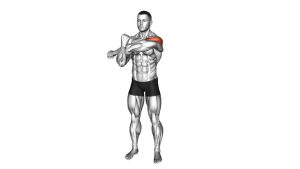
- Bring the arm across the chest: Position it horizontally across the front of the body.
- Use the opposite hand for support: Hold the upper arm, not the elbow joint, to guide the stretch.
Tip: Keep the stretching shoulder down and away from the ear to place more focus on the rear delt.
Execution (Step-by-Step)
- Set your posture: Stand or sit tall with your core lightly engaged and shoulders relaxed.
- Move one arm across your chest: Keep the arm around shoulder height.
- Assist with the opposite hand: Place your hand on the upper arm and gently pull it closer to the chest.
- Hold the stretch: Maintain steady breathing and hold the end position without bouncing.
- Release slowly: Return to the starting position with control, then repeat on the other side.
Pro Tips & Common Mistakes
- Pull from the upper arm, not the elbow: This helps protect the joint and improves comfort.
- Keep the shoulder down: Do not shrug up as you pull the arm across.
- Do not rotate your torso: The stretch should come from the shoulder, not from turning your body.
- Use gentle pressure: Forcing the range usually makes the stretch less effective.
- Avoid bouncing: Static holds work better here than jerky movement.
- Breathe normally: Slow breathing helps the shoulder relax into the stretch.
FAQ
What muscle does the rear deltoid stretch target most?
It mainly stretches the posterior deltoid, which is the rear portion of the shoulder muscle. It may also lightly affect nearby posterior shoulder tissues.
How long should I hold the rear deltoid stretch?
A common starting point is 20 to 30 seconds per side. Beginners can start shorter and build up gradually as comfort improves.
Should I do this before or after a workout?
It can be used either way. Shorter, easier holds work well in a warm-up, while longer relaxed holds often fit better after training or during recovery sessions.
Why do I feel this more in my upper arm than my shoulder?
That usually happens when the arm angle is off or when too much pressure is placed near the elbow. Try adjusting the arm to shoulder height and pull gently from the upper arm.
Is this stretch good for people who sit at a desk a lot?
Yes, it can be useful for people who develop shoulder stiffness from long hours of sitting, typing, or rounded-shoulder posture. It works especially well when combined with upper-back strengthening and posture-focused mobility work.
Recommended Equipment (Optional)
- Massage Ball for Shoulder Mobility — useful for relieving tight spots around the rear shoulder and upper back
- Foam Roller — helpful for improving upper-back mobility that supports better shoulder movement
- Resistance Bands Set — great for pairing this stretch with rear-delt activation and shoulder stability drills
- Stretching Strap — useful for gentle flexibility work and broader shoulder mobility sessions
- Posture Corrector Brace — can serve as a light reminder for shoulder positioning, though it should not replace exercise
Tip: Mobility tools should support comfort and consistency. None of them are required to perform this stretch effectively.