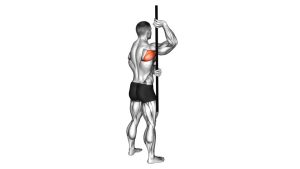
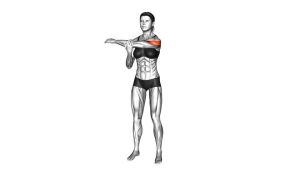
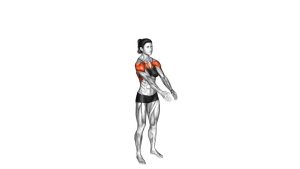
Arms Forward and Behind the Neck: Form, Benefits, Sets, Tips & FAQ
Learn how to perform Arms Forward and Behind the Neck with proper form. Discover shoulder mobility benefits, muscles worked, sets and reps by goal, common mistakes, FAQs, and recommended equipment.
Arms Forward and Behind the Neck
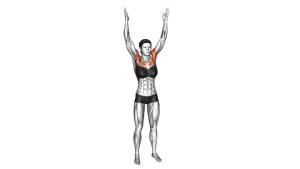
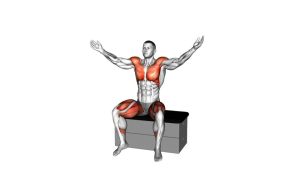
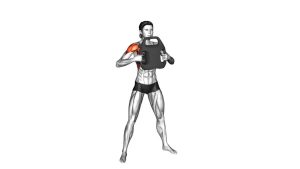
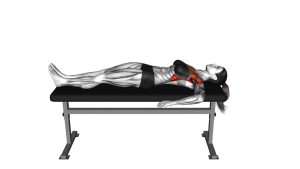
This exercise works best as a warm-up, mobility drill, or light activation movement before upper-body training. It teaches the shoulders to move through flexion, external rotation, and controlled opening of the chest. You should feel the shoulders working with a gentle stretch through the front of the upper body, not pinching in the joint or strain in the neck.
Quick Overview
| Body Part | Shoulders |
|---|---|
| Primary Muscle | Deltoids (anterior, lateral, and posterior fibers working through the movement) |
| Secondary Muscle | Upper traps, rhomboids, serratus anterior, and rotator cuff stabilizers |
| Equipment | None |
| Difficulty | Beginner (best used for mobility, movement prep, and shoulder control) |
Sets & Reps (By Goal)
- Warm-up before upper-body training: 2–3 sets × 8–12 reps
- Shoulder mobility practice: 2–4 sets × 10–15 reps with slow control
- Movement prep / activation: 1–2 sets × 6–10 reps before pressing, raises, or shoulder isolation work
- Light recovery session: 2–3 sets × 8–12 easy reps with reduced range if needed
Progression rule: First improve movement quality and smoothness. Then add reps or slow the tempo before trying to increase range.
Setup / Starting Position
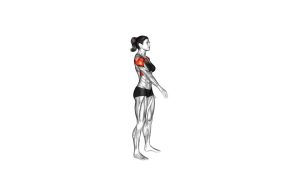
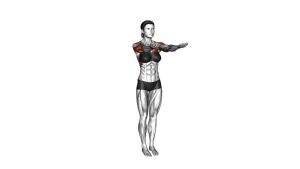
- Stand tall: Keep your feet about hip- to shoulder-width apart with your core lightly braced.
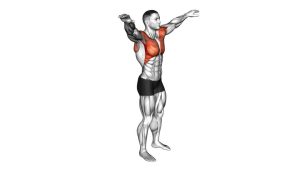
- Raise the arms forward: Bring both arms straight in front of you around shoulder height.
- Keep posture neutral: Maintain a long spine, neutral neck, and relaxed jaw.
- Set the shoulders: Avoid shrugging up toward the ears before the movement begins.
- Start with control: Think of reaching through the arms while keeping the ribcage stacked over the hips.
Tip: If shoulder mobility is limited, start with a smaller range and focus on smooth motion instead of trying to reach far behind the head.
Execution (Step-by-Step)
- Begin from the front: Hold the arms in front of the body at shoulder height with elbows softly unlocked.
- Lift and open: Move the arms upward and outward in a controlled arc as the shoulders rotate and the chest opens slightly.
- Guide the arms back: Continue the motion until the hands or arms travel near or behind the neck without forcing the range.
- Pause briefly: Hold the end position for a moment while keeping the neck relaxed and the shoulders controlled.
- Return smoothly: Reverse the same path back to the starting position in front of the body.
Pro Tips & Common Mistakes
- Move slowly: Controlled reps improve mobility and shoulder awareness better than rushing.
- Don’t force the end range: A smaller pain-free arc is better than jamming the shoulders back.
- Keep the ribs down: Avoid leaning back or turning the movement into a lower-back arch.
- Relax the neck: The shoulders should move without the traps taking over too aggressively.
- Use it before shoulder training: This drill works well before presses, lateral raises, or rear-delt work.
- Focus on symmetry: Try to keep both arms moving evenly through the same path.
FAQ
What is the main benefit of Arms Forward and Behind the Neck?
Its main benefit is improving shoulder mobility and control while lightly activating the deltoids and upper-back stabilizers. It is especially useful as a warm-up or movement-prep exercise.
Should I feel this more as a stretch or a muscle exercise?
Usually both. You may feel light muscular effort in the shoulders along with a mild stretch across the front of the shoulders and chest. It should not feel sharp or pinchy.
Can beginners do this exercise?
Yes. It is beginner-friendly when done with a controlled, comfortable range. Start with small, smooth reps and avoid forcing the arms behind the neck.
Is this exercise good before shoulder workouts?
Yes. It can work well before pressing, raising, or isolation movements because it helps warm up the shoulder joint and improve movement quality.
What should I do if my shoulders feel tight?
Reduce the range, slow the tempo, and keep the motion smooth. Over time, consistency and control usually matter more than pushing deeper into the stretch.
Recommended Equipment
- Shoulder Mobility Stick — useful for improving shoulder range of motion and movement control during warm-ups and mobility routines
- Stretching Strap — helpful for gradual shoulder flexibility work and assisted stretching
- Shoulder Pulley — a practical tool for controlled shoulder mobility practice and rehab-style range-of-motion work
- Posture Corrector — can serve as a light awareness tool for better upper-body positioning outside training
- Resistance Bands Set — useful for pairing this drill with shoulder activation, pull-aparts, and rotator cuff work
Tip: Keep the recommended equipment optional. This exercise can be effective on its own, but these tools can support mobility, activation, and shoulder-health routines.