Smith Machine Standing Calf Raise: Form, Sets & Tips
Learn the Smith Machine Standing Calf Raise with a front-held bar. Build stronger calves using precise setup, controlled reps, smart sets, tips, and FAQs.
Smith Machine Standing Calf Raise
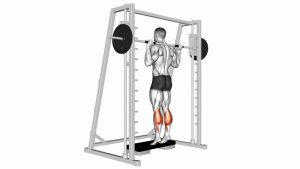
The Smith Machine Standing Calf Raise is designed to develop calf strength, muscular size, and ankle plantar-flexion control through repeated heel elevation. Unlike seated calf raises, which involve bent knees, this standing variation keeps the knees nearly extended. Consequently, the gastrocnemius receives substantial emphasis, although the soleus remains active. Additionally, the lower-leg stabilizers help maintain foot alignment during the raising and lowering phases.
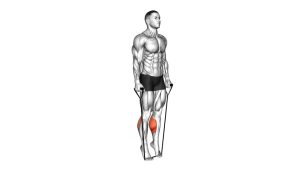
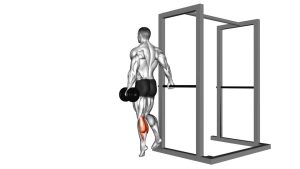
In the demonstrated version, the exerciser stands directly on the floor while holding the Smith machine bar at thigh level with an overhand grip. Both arms remain extended, and the body rises as the heels leave the floor. Therefore, the primary movement comes from the ankles rather than the knees, hips, or shoulders. This version does not require a calf-raise block or an elevated step. Instead, the exercise uses the available ankle range from the floor.
Although the movement appears simple, consistent technique is essential. Effective repetitions require controlled heel elevation, stable forefoot pressure, and a gradual return toward the floor. Moreover, the resistance should remain manageable enough to prevent unnecessary swinging, gripping strain, or excessive joint movement. As a result, properly performed repetitions help develop the calves without relying on momentum.
Quick Overview
| Body Part | Calves |
|---|---|
| Primary Muscle | Gastrocnemius (medial and lateral heads) |
| Secondary Muscle | Soleus, tibialis posterior, fibularis longus and brevis; core, glutes, quadriceps, and forearms assist with stabilization |
| Equipment | Smith machine with a suitable front-held bar setup; optional compatible weight plates and collars |
| Difficulty | Intermediate — requires controlled ankle movement, balance, grip stability, and familiarity with the Smith machine |
Sets & Reps (By Goal)
- Strength development: Perform 4–5 sets × 6–10 controlled repetitions, resting approximately 90–150 seconds between sets. Choose challenging resistance while maintaining a smooth upward drive and controlled descent. However, never sacrifice ankle alignment or balance to lift additional weight.
- Hypertrophy / muscle growth: Complete 3–5 sets × 10–15 repetitions, resting 60–90 seconds between sets. Use a controlled lowering phase and briefly squeeze the calves at the top. Additionally, prioritize consistent technique over excessively heavy loading.
- Muscular endurance: Perform 2–4 sets × 15–25 repetitions, allowing 45–75 seconds of recovery. Select lighter resistance that permits continuous, deliberate ankle movement. As fatigue increases, maintain the same heel height and avoid shortened, bouncing repetitions.
- Mobility and movement control: Complete 2–3 sets × 10–15 slow repetitions with bodyweight or minimal resistance. Focus on comfortable ankle movement, balanced forefoot pressure, and controlled heel lowering. Therefore, prioritize movement quality rather than external load.
- Rehabilitation-style progression: When cleared by a qualified healthcare professional, begin with 1–3 sets × 6–12 gentle repetitions using an appropriate supported or unloaded variation. Progress to the loaded Smith machine version only when symptoms, strength, and balance permit. Moreover, rehabilitation volume should follow individual clinical guidance.
Progression rule: First establish consistent heel elevation and a controlled lowering phase. Next, increase repetitions or improve the top-position pause before adding weight. Once all prescribed repetitions remain stable, increase resistance gradually. For hypertrophy, a useful starting tempo is approximately 1–2 seconds upward, a brief contraction at the top, and 2–3 seconds downward. Nevertheless, adjust the tempo if additional control is needed.
Setup / Starting Position
- Prepare the Smith machine: Choose a Smith machine that safely accommodates a front-held bar position. Before loading, check the guided rails, locking mechanism, and safety stops. Additionally, ensure that the bar can move without striking the legs or restricting your natural standing position.
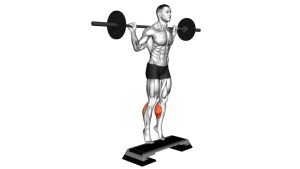
- Set the bar at thigh level: Position the bar so it can be held comfortably in front of the thighs with both arms extended. Unlike a traditional shoulder-loaded variation, the bar must remain in the hands. Therefore, avoid placing it across the upper back or shoulders.
- Establish your foot position: Stand with both feet close to hip-width apart or slightly narrower, depending on comfort. Keep the feet parallel or naturally turned outward. Furthermore, position yourself so the Smith machine’s guided bar path does not pull you off balance.
- Grip the bar securely: Hold the Smith bar with both hands using a comfortable overhand grip. Keep the hands approximately shoulder-width apart and the wrists neutral. Meanwhile, allow the arms to remain straight without pulling the shoulders upward.
- Align your body: Stand upright with the chest lifted, shoulders relaxed, and abdominal muscles gently engaged. Keep the hips stacked beneath the torso while maintaining a neutral spinal position. As a result, unnecessary movement through the lower back is minimized.
- Set the knees and ankles: Maintain nearly straight knees with a slight, comfortable softness rather than forcing a hard lockout. Keep both heels on the floor initially and distribute pressure evenly across the feet. Additionally, avoid allowing the ankles to collapse inward or roll outward.
- Prepare for the first repetition: Take a controlled breath, engage your core, and safely release the bar from its hooks. Confirm that the bar moves freely and your balance remains stable. Then prepare to lift the heels without bending the knees or swinging the torso.
Setup tip: The uploaded demonstration uses a standing position on the floor, without an elevated calf platform. Begin with light resistance to learn the correct ankle movement. If the Smith machine cannot safely accommodate the front-held position, choose a more suitable calf-raise variation.
Execution (Step-by-Step)
- Establish the starting position: Stand upright with both feet flat, the Smith bar held in front of the thighs, and the arms extended. Maintain a neutral head position and relaxed shoulders. Before moving, ensure that your weight is balanced evenly between both feet.
- Begin the heel raise: Press through the balls of both feet while gradually lifting the heels away from the floor. As the heels rise, the ankles move into plantar flexion. Keep the movement deliberate and avoid suddenly shifting weight toward the toes.
- Lift the body vertically: Continue elevating the heels until reaching the highest comfortable position. Meanwhile, maintain nearly straight knees and an upright torso. The bar should travel along the Smith machine’s guided path as the body rises, without an intentional arm curl, shoulder shrug, or hip thrust.
- Maintain balanced forefoot pressure: Keep both feet stable as the heels rise. Distribute pressure across the forefoot instead of rolling excessively toward either edge. Consequently, the ankle stabilizers can support the movement while the calves produce the primary lifting force.
- Pause at the top: Briefly hold the elevated position for approximately one second. Focus on contracting the gastrocnemius and soleus without gripping the floor aggressively with the toes. Additionally, keep breathing normally and avoid leaning backward to increase heel height.
- Lower the heels gradually: Slowly allow the heels to move toward the floor as the ankles return from plantar flexion. Maintain control throughout the descent while keeping the knees and hips relatively stationary. Rather than dropping the body, resist the downward movement with the calf muscles.
- Return to neutral and repeat: Finish with the heels comfortably touching the floor and both feet stable. Once balance is restored, begin the next repetition using the same controlled movement pattern. Finally, secure the Smith bar on its locking hooks before releasing your grip.
Pro Tips & Common Mistakes
- Keep the movement focused on the ankles: The calf raise is not a squat, deadlift, or shoulder exercise. Therefore, avoid bending the knees repeatedly or pulling the bar upward with the arms. Instead, generate movement by lifting both heels.
- Maintain nearly straight knees: A relatively extended knee position allows the gastrocnemius to contribute effectively. However, avoid forcefully snapping the knees into a locked position. Keep the joints stable and comfortable throughout each repetition.
- Do not bounce at the bottom: Rapid heel contact can create momentum and reduce muscular control. Instead, allow the heels to settle briefly before beginning the next repetition. Consequently, each repetition starts with deliberate calf activation.
- Control the lowering phase: The downward movement provides an important opportunity to challenge the calves. Therefore, lower the heels gradually rather than allowing the load to fall. A controlled descent also makes technique errors easier to recognize.
- Use the available comfortable range: Raise the heels as high as possible without losing foot alignment or balance. However, avoid forcing additional height through ankle rolling or excessive toe pressure. Since the demonstration takes place on the floor, it does not include a below-floor heel stretch.
- Avoid excessive forward or backward leaning: Keep the torso stacked over the hips while the bar follows the machine’s guided path. Additionally, maintain a lightly engaged core to reduce unnecessary spinal movement. If the bar path feels unnatural, reassess your position.
- Keep the shoulders and arms stable: The hands hold the bar securely, but they should not actively lift it through elbow flexion. Meanwhile, avoid shrugging or using upper-body momentum. This helps maintain a consistent movement pattern from the ankles.
- Choose appropriate resistance: Excessively heavy loading often causes incomplete repetitions, bouncing, or unstable foot pressure. Therefore, begin with a manageable load and increase gradually. Consistent calf contraction is more important than the number of weight plates.
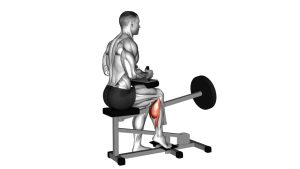
- Train both major calf muscles: Standing raises substantially involve the gastrocnemius while the soleus also contributes. Additionally, seated calf raises can complement your program by training plantar flexion with the knees bent. Combining suitable variations may support more complete calf development.
FAQ
What muscles does the Smith Machine Standing Calf Raise work?
The exercise primarily works the gastrocnemius, including its medial and lateral heads. Additionally, the soleus contributes to ankle plantar flexion. Smaller ankle muscles help stabilize the feet, while the quadriceps, glutes, and core maintain body alignment. Because the knees remain nearly straight, the gastrocnemius receives substantial emphasis.
Is the Smith Machine Standing Calf Raise suitable for beginners?
Beginners can learn the basic movement using bodyweight calf raises before adding machine resistance. However, the front-held Smith bar variation requires additional grip control and familiarity with the locking mechanism. Therefore, it is generally more appropriate after establishing balance, ankle control, and safe machine-handling skills. Start lightly and progress gradually.
Should the Smith machine bar rest on my shoulders or stay in front of my thighs?
In the variation shown in this demonstration, the bar remains in front of the thighs, held with both hands and extended arms. This differs from the traditional shoulder-supported Smith machine calf raise. Although both variations target the calves, they use different bar positions. Follow the demonstrated setup only when the machine safely permits it.
How high should I raise my heels during each repetition?
Raise the heels until reaching a comfortable, controlled top position. Ideally, the ankles should achieve substantial plantar flexion without rolling inward or outward. However, do not force additional height by bending the knees or leaning backward. Furthermore, keep the descent smooth and return the heels toward the floor before repeating.
How often should I perform Smith Machine Standing Calf Raises?
Many lifters can train their calves approximately two to three times per week, depending on training volume, intensity, and recovery. For example, include several controlled sets during lower-body sessions. Additionally, allow enough recovery between challenging workouts. If soreness persists or performance declines, reduce the workload before increasing frequency.
Recommended Equipment
- Smith Machine — provides a guided bar path for loaded calf raises and other strength exercises. Choose a model with suitable locking hooks and adjustable safety stops.
- Olympic Weight Plates — allow gradual resistance increases as calf strength improves. Check plate compatibility with the Smith machine’s loading sleeves.
- Locking Barbell Collars — help secure compatible weight plates during exercise. Select collars that match the machine’s bar sleeves and manufacturer requirements.
- Flat-Sole Training Shoes — provide a stable contact surface and consistent forefoot pressure during heel raises. Choose shoes with secure traction and minimal instability.
- Resistance Bands Set — useful for lighter calf activation, ankle-control exercises, and warm-up movements before progressing to loaded machine training.
Equipment tip: Select equipment that matches your training experience, machine specifications, and available workout space. First, ensure that the Smith machine is stable and functioning correctly. Next, verify that all plates and collars fit securely. Above all, use a load that allows balanced, controlled heel movement without compromising technique.