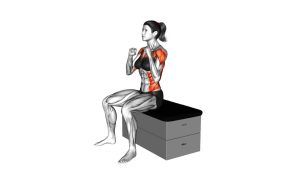
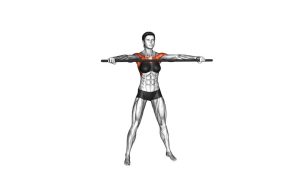
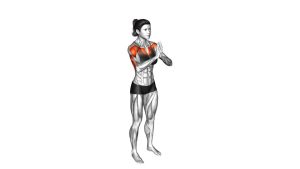
Standing Diagonal Reach & Chest Lift: Form, Sets, Benefits, Tips & FAQ
Learn the Standing Diagonal Reach and Chest Lift to activate the upper chest, improve posture, and warm up shoulders. Step-by-step form, sets by goal, mistakes, FAQ, and gear.
Standing Diagonal Reach and Chest Lift
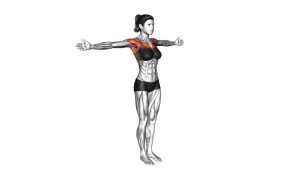
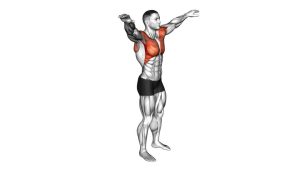
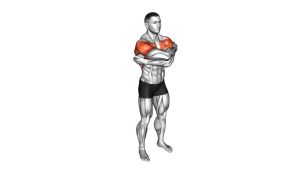
This exercise should feel light and clean. You’ll typically notice activation across the upper chest and front shoulder, plus a “tall” feeling through the upper back as your rib cage opens. Keep the movement controlled—no swinging, shrugging, or twisting aggressively.
Quick Overview
| Body Part | Chest |
|---|---|
| Primary Muscle | Pectoralis major (emphasis on upper/clavicular fibers) |
| Secondary Muscle | Anterior deltoid, serratus anterior, upper-back stabilizers (rhomboids/lower traps) |
| Equipment | None (optional: light mini band or light dumbbells for progression) |
| Difficulty | Beginner (excellent warm-up and posture/mobility drill) |
Sets & Reps (By Goal)
- Warm-up before pressing: 2–3 sets × 6–10 reps per side (smooth tempo, 30–45 sec rest)
- Chest activation + posture: 2–4 sets × 8–12 reps per side (1–2 sec “open” pause)
- Mobility / desk break reset: 1–2 sets × 5–8 reps per side (easy effort, breathe slowly)
- Conditioning finisher (light): 2–3 sets × 12–20 total reps (alternate sides continuously)
Progression rule: Add range and control first (longer reach, cleaner chest lift). Only then add light resistance (mini band or 1–3 kg dumbbells) if your shoulders stay relaxed and pain-free.
Setup / Starting Position
- Stand tall: Feet about shoulder-width, knees soft, core lightly braced.
- Stack posture: Ribs down (no flaring), neck long, chin neutral.
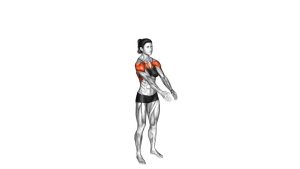
- Arms ready: Hands in front of the chest with relaxed elbows—prepare to reach diagonally.
- Shoulders relaxed: Keep shoulders “heavy,” not shrugged up toward the ears.
- Breathe: Slow inhale through the nose to set a calm rhythm.
Tip: Imagine you’re standing between two panes of glass—stay tall and controlled without leaning or twisting hard.
Execution (Step-by-Step)
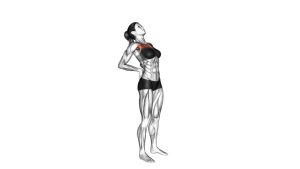
- Reach diagonally: Extend one arm up and across the body on a comfortable diagonal line.
- Lengthen, don’t shrug: Reach “long” through the fingertips while keeping the shoulder down.
- Chest lift: Gently open the chest by lifting the sternum (small thoracic extension).
- Brief pause: Hold 1–2 seconds while breathing—feel the upper chest open, not the low back arch.
- Return to center: Bring arms back to the start position with control.
- Alternate sides: Repeat the same reach + chest lift pattern on the other diagonal.
Pro Tips & Common Mistakes
- Use the rib cage, not the low back: The “lift” is thoracic (upper back), not a big lumbar arch.
- Keep shoulders down: Avoid shrugging as the arm reaches overhead/diagonal.
- Control the return: Don’t drop the arms—return smoothly to keep the chest engaged.
- Stay stacked: Keep ribs over pelvis; don’t flare the ribs to “fake” range.
- Breathe with the motion: Inhale into the reach/opening, exhale as you return.
- Go pain-free: Any pinching at the front shoulder = reduce height/range and slow down.
FAQ
Where should I feel this exercise?
Most people feel a light activation across the upper chest and front shoulder, plus a “tall” posture sensation in the upper back. You should not feel sharp shoulder pinching or low-back strain.
Is this a strength exercise or a warm-up?
It’s primarily a warm-up / activation and mobility drill. You can add light resistance for more challenge, but it’s best used to prepare the shoulders/scapulae and “switch on” the chest before pressing.
How do I make it harder without equipment?
Slow the tempo (2–3 seconds into the reach, 1–2 second pause, 2–3 seconds back), increase control, and reach slightly higher—only if your ribs stay stacked and shoulders stay relaxed.
What if I feel shoulder pinching?
Reduce the reach height, keep the elbow slightly bent, and focus on “shoulder down” + gentle chest opening. If pinching persists, skip the overhead range and use a lower diagonal reach.
Recommended Equipment (Optional)
- Mini Resistance Bands Set — optional light resistance to increase chest/serratus activation
- Light Dumbbells (1–3 kg) — add gentle load while keeping the same smooth reach pattern
- Non-Slip Yoga Mat — improves footing and comfort for warm-ups and mobility circuits
- Posture Corrector (Light Reminder) — awareness tool for rounded shoulders (not a replacement for training)
- Foam Roller (Upper Back) — pairs well for thoracic mobility before chest/shoulder training
Tip: Keep resistance light. This drill is about clean mechanics, posture, and controlled chest opening.