Dumbbell Standing Bent-Arm Lateral Raise: Form, Muscles Worked, Sets, Tips & FAQ
Learn how to perform the Dumbbell Standing Bent-Arm Lateral Raise with proper form to build stronger side delts. Includes muscles worked, setup, execution, sets and reps by goal, common mistakes, FAQs, and recommended equipment.
Dumbbell Standing Bent-Arm Lateral Raise
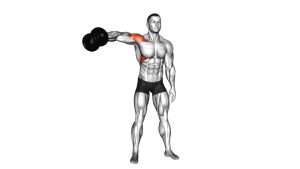
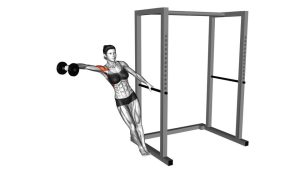
This exercise works best with moderate weight, controlled tempo, and clean shoulder mechanics. The goal is to challenge the side delts without turning the movement into a shrug or full-body swing. Keep your torso still, maintain a soft bend in the elbows, and raise the upper arms out to the sides until they reach about shoulder level. You should feel the shoulders working hard, especially the side delts, without neck tension dominating the set.
Quick Overview
| Body Part | Shoulders |
|---|---|
| Primary Muscle | Lateral deltoids (side delts) |
| Secondary Muscle | Anterior deltoids, supraspinatus, upper traps (stabilizing), rotator cuff stabilizers |
| Equipment | Pair of dumbbells |
| Difficulty | Beginner to Intermediate |
Sets & Reps (By Goal)
- Muscle growth: 3-4 sets × 10-15 reps with 45-75 seconds rest
- Shoulder endurance / pump work: 2-4 sets × 15-20 reps with 30-60 seconds rest
- Technique practice: 2-3 sets × 8-12 reps with light weight and slow tempo
- Finisher after pressing workouts: 2-3 sets × 12-20 reps with strict form
Progression rule: Increase reps first, then load. Only move to heavier dumbbells when you can keep the elbows bent, the shoulders relaxed, and the torso steady through the full set.
Setup / Starting Position
- Stand tall: Place your feet about hip-width apart and brace your core lightly.
- Hold the dumbbells at your sides: Keep a neutral stance with the chest up and shoulders down.
- Bend the elbows: Maintain roughly a 70- to 90-degree bend so the movement stays compact and controlled.
- Set the arm path: Keep the elbows slightly in front of the body rather than drifting too far behind the torso.
- Start from a stable base: Avoid leaning back or preparing to swing the weights upward.
Tip: Think of your hands as hooks and your elbows as the main drivers of the lift.
Execution (Step-by-Step)
- Initiate with the side delts: Raise your upper arms out to the sides while keeping the elbows bent.
- Lead with the elbows: Think about moving the elbows outward and slightly upward rather than flipping the hands.
- Stop near shoulder height: Lift until the upper arms are about parallel to the floor.
- Pause briefly: Hold the top for a moment without shrugging the traps.
- Lower under control: Bring the dumbbells back down slowly to the start position without letting momentum take over.
Pro Tips & Common Mistakes
- Lift with the elbows: This helps keep the tension where you want it—on the side delts.
- Do not swing: Momentum reduces shoulder isolation and usually shifts work into the traps and torso.
- Keep the elbows bent the whole time: Straightening them changes the leverage and feel of the exercise.
- Do not shrug: Keep the neck relaxed and the shoulders depressed.
- Use a controlled range: Shoulder height is usually enough. Going much higher may reduce quality and increase joint stress.
- Use moderate weight: This movement usually feels better and works better when it is strict, not heavy and sloppy.
FAQ
What muscles does the Dumbbell Standing Bent-Arm Lateral Raise work?
The main target is the lateral deltoid, which helps build wider-looking shoulders. The front delts and smaller stabilizers also assist, while the traps should stay supportive rather than dominant.
Why use bent arms instead of straight arms?
Bent arms shorten the lever, which usually makes the movement easier to control and a little more shoulder-friendly. It can be a great option for lifters who struggle to feel standard lateral raises properly.
How high should I raise the dumbbells?
In most cases, raise until your upper arms reach about shoulder height. Higher is not always better, especially if it causes shrugging or shoulder discomfort.
Should I go heavy on this exercise?
Usually no. This is an isolation movement that responds well to controlled reps, moderate weight, and constant tension. Too much load often turns it into a swing or shrug.
Can beginners use this exercise?
Yes. It is often more approachable than straight-arm lateral raises because the bent-arm position reduces leverage and helps many people control the motion better.
Recommended Equipment
- BowFlex SelectTech 552 Adjustable Dumbbells — adjustable dumbbells that work well when you want to progress shoulder training without buying multiple pairs
- Amazon Basics Neoprene Dumbbell Hand Weights — a simple option for lighter lateral raise work, beginners, and high-rep shoulder sessions
- Fit Simplify Resistance Loop Exercise Bands — useful for shoulder warm-ups, activation drills, and adding extra delt work outside dumbbell sessions
- Adjustable Weight Bench — helpful if you want to pair this exercise with seated raises, presses, or incline shoulder variations
- Full-Length Workout Mirror — valuable for checking elbow path, shoulder height, and whether you are shrugging during the movement
Tip: For this exercise, lighter dumbbells with strict form usually outperform heavier weights with momentum.