Incline Dumbbell Close-Grip Press: Form, Sets, Muscles Worked & FAQ
Learn the Incline Dumbbell Close-Grip Press to build upper chest and triceps with a shoulder-friendly pressing path. Includes proper form, sets by goal, common mistakes, FAQs, and recommended equipment.
Incline Dumbbell Close-Grip Press
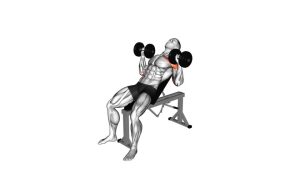
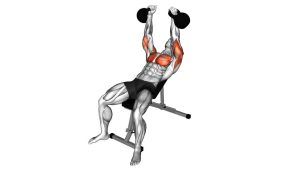
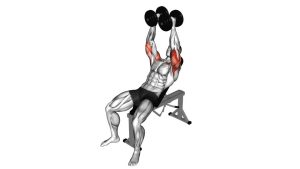
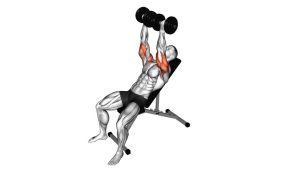
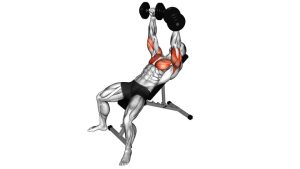
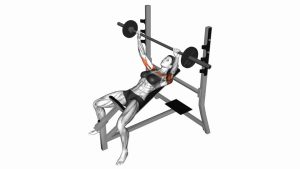
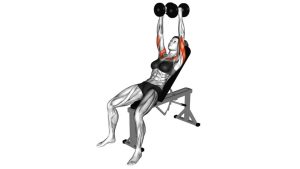
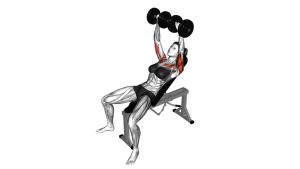
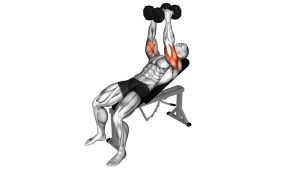
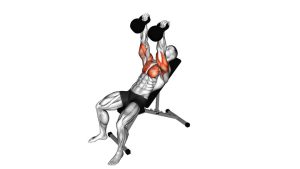
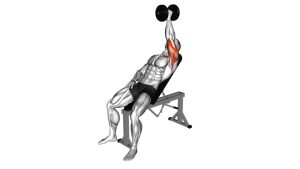
This exercise blends the mechanics of an incline dumbbell press with the elbow position of a close-grip press. The result is a movement that trains the upper chest, triceps, and front delts while reducing excessive shoulder flare. It works best when you lower the dumbbells with control, keep your wrists stacked over your forearms, and press upward without letting the weights drift too wide.
Quick Overview
| Body Part | Chest |
|---|---|
| Primary Muscle | Upper chest (clavicular head of the pectoralis major) |
| Secondary Muscle | Triceps brachii, anterior deltoids |
| Equipment | Incline bench, dumbbells |
| Difficulty | Intermediate |
Sets & Reps (By Goal)
- Muscle growth: 3–4 sets × 8–12 reps with 60–90 seconds of rest
- Upper-body strength: 4–5 sets × 5–8 reps with 90–150 seconds of rest
- Technique and control: 2–3 sets × 10–15 reps with moderate weight and slow tempo
- Accessory after main pressing work: 2–4 sets × 8–12 reps with clean, controlled reps
Progression rule: Add reps before adding load. Only increase weight when you can keep the dumbbells close, maintain tucked elbows, and complete every rep without bouncing or shoulder discomfort.
Setup / Starting Position
- Set the bench angle: Adjust an incline bench to about 30–45 degrees. A moderate incline usually targets the upper chest well without turning the movement into an overhead press.
- Grab the dumbbells: Sit down with a dumbbell in each hand and position them on your thighs before leaning back onto the bench.
- Set your upper body: Pull your shoulder blades back and down into the bench, keep your chest up, and maintain a stable torso position.
- Start with a close neutral grip: Bring the dumbbells above the upper chest with palms facing each other and the weights held close together.
- Tuck the elbows: Keep your elbows angled closer to your sides instead of flaring them wide.
Tip: Think of stacking your wrists directly over your elbows at the top. This improves force transfer and keeps the press more stable.
Execution (Step-by-Step)
- Begin at the top: Hold the dumbbells over your upper chest with arms nearly straight and the weights close together.
- Lower under control: Bend your elbows and bring the dumbbells down in a controlled path toward the upper chest while keeping the elbows tucked.
- Stop at a strong bottom position: Lower until you feel a solid chest and triceps stretch without losing shoulder position or letting the elbows flare.
- Press upward smoothly: Drive the dumbbells back up by pressing through the upper chest and extending the elbows with the triceps.
- Finish with control: Bring the dumbbells back to the start position without banging them together, then repeat for the next rep.
Pro Tips & Common Mistakes
- Keep the dumbbells close: The closer pressing path is what makes this variation unique and increases triceps involvement.
- Do not flare the elbows: Excessive flare shifts stress to the shoulders and reduces the close-grip effect.
- Use a moderate incline: Too steep of an angle can shift more work to the front delts and reduce upper chest focus.
- Control the bottom range: Going too deep without control can irritate the shoulders, especially if mobility is limited.
- Do not rush the eccentric: A slow descent helps keep tension on the upper chest and improves stability.
- Avoid smashing the dumbbells together: Keep them close, but stay in control at the top instead of using momentum.
- Brace your feet: A stable lower body helps you stay tight on the bench and press more efficiently.
FAQ
What muscles does the Incline Dumbbell Close-Grip Press work?
It primarily targets the upper chest, while also heavily involving the triceps and front delts. The close grip changes the pressing angle enough to increase elbow extension demands compared with a traditional incline dumbbell press.
Is this better than a regular incline dumbbell press?
It is not necessarily better, but it is different. A regular incline press usually allows a wider elbow path and may feel more chest-dominant, while the close-grip version adds more triceps emphasis and often feels more shoulder-friendly for some lifters.
Should the dumbbells touch at the top?
They can come very close, but they do not need to crash together. The goal is to keep tension on the muscles and maintain a stable top position, not to use the dumbbells bouncing together as a cue.
How low should I lower the dumbbells?
Lower until you reach a strong, controlled bottom position where your chest and triceps are loaded but your shoulders still feel stable. Range of motion should be individualized based on mobility, control, and comfort.
Can beginners do this exercise?
Yes, but many beginners should first learn a standard incline dumbbell press and basic bench setup. Once they can control dumbbells well, this close-grip variation becomes an excellent option for upper chest and triceps development.
Recommended Equipment
- Adjustable Incline Weight Bench — the key setup piece for dialing in the correct press angle
- Adjustable Dumbbells — practical for progressive overload without needing many fixed dumbbell pairs
- Rubber Hex Dumbbells — stable, durable dumbbells for pressing and other accessory work
- Wrist Wraps for Weightlifting — useful if you need extra wrist support during heavier pressing sessions
- Resistance Bands Set — great for warm-ups, shoulder activation, and upper-body accessory work
Tip: A strong incline bench and a pair of dumbbells are the essentials. Wrist wraps and bands are optional tools that can improve comfort and prep.