Olympic Barbell Hammer Curl: Proper Form, Sets, Tips & FAQ
Learn how to perform the Olympic Barbell Hammer Curl with proper form to build stronger forearms, brachialis, and biceps. Includes setup, execution, sets by goal, mistakes, FAQs, and recommended equipment.
Olympic Barbell Hammer Curl
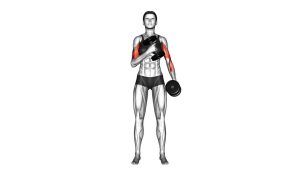
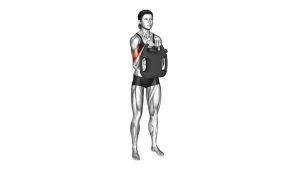
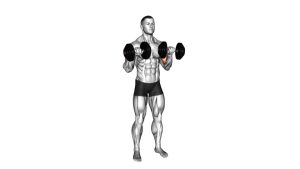
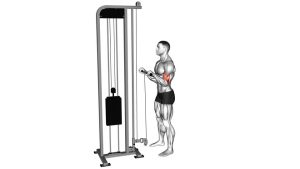
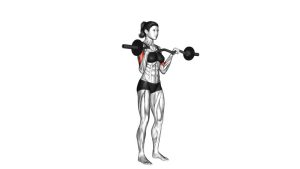
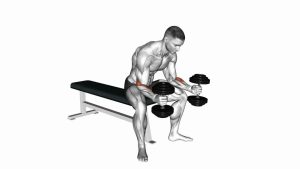
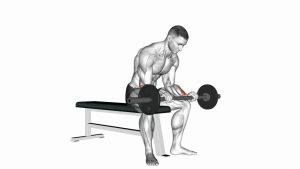
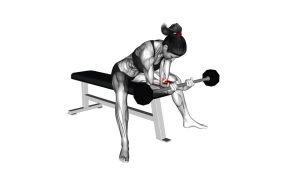
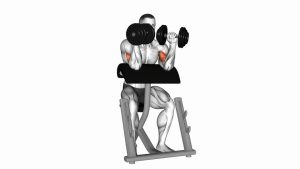
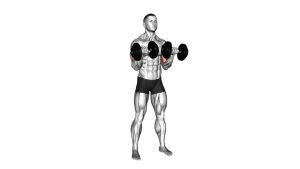
This exercise works best when you focus on a smooth curling path, stable posture, and controlled lowering. You should feel the load strongly through the forearms, especially the brachioradialis, with assistance from the brachialis and biceps. If you start leaning back, swinging the torso, or bending the wrists, the movement quickly loses its isolation value and turns into a momentum-based curl.
Quick Overview
| Body Part | Forearms |
|---|---|
| Primary Muscle | Brachioradialis |
| Secondary Muscle | Brachialis, Biceps Brachii, Wrist Flexors |
| Equipment | Olympic barbell (optionally with plates and collars) |
| Difficulty | Intermediate |
Sets & Reps (By Goal)
- Forearm hypertrophy: 3–4 sets × 8–12 reps with 60–90 sec rest
- Arm strength support: 4–5 sets × 5–8 reps with 90–120 sec rest
- Muscle endurance / pump work: 2–3 sets × 12–20 reps with 45–60 sec rest
- Finisher after arm day: 2–3 sets × 10–15 controlled reps
Progression rule: Add reps before adding weight when possible. Only increase the load if you can keep the elbows steady, wrists neutral, and the eccentric lowering controlled from top to bottom.
Setup / Starting Position
- Stand tall: Place your feet around hip- to shoulder-width apart and brace your core.
- Grip the bar securely: Use a hammer-style or neutral-biased grip as demonstrated in the variation, keeping the hands evenly spaced.
- Let the bar hang at thigh level: Arms should be fully extended with a slight natural softness at the elbows.
- Set the shoulders: Keep the chest up and shoulders back without shrugging.
- Lock in the wrists: Maintain a straight wrist position before the first rep begins.
Tip: If the grip feels unstable, reduce the load and focus on bar control first. A clean rep matters more than using extra weight.
Execution (Step-by-Step)
- Start from a dead hang: With the bar at thigh level, keep your elbows pinned close to your torso.
- Curl the bar upward: Bend at the elbows and raise the bar in a smooth arc while keeping the wrists neutral.
- Control the path: Avoid letting the shoulders roll forward or the elbows drift too far ahead.
- Squeeze at the top: When the bar reaches the upper range, pause briefly and contract the forearms and upper arms.
- Lower slowly: Reverse the movement under control until the arms are fully extended again.
- Reset and repeat: Pause briefly at the bottom without swinging into the next rep.
Pro Tips & Common Mistakes
- Keep the elbows close: Flaring them out reduces isolation and can change the curl path.
- Do not swing the torso: Leaning back turns the rep into a cheat curl instead of a strict forearm-builder.
- Keep wrists neutral: Avoid excessive wrist flexion or extension under the bar.
- Use a controlled eccentric: The lowering phase is a major part of the muscle-building stimulus.
- Do not rush the bottom: Reset fully between reps so momentum does not take over.
- Train after big pulls or rows: This exercise works well late in an arm or upper-body session.
FAQ
What muscles does the Olympic Barbell Hammer Curl work most?
The main emphasis is on the brachioradialis in the forearms, with strong assistance from the brachialis and biceps. It is especially useful for building thicker-looking arms from the side.
Is this better for forearms than a standard curl?
For many lifters, yes. A hammer-style grip typically places more emphasis on the forearms and brachialis than a fully supinated curl, which often shifts more focus to the biceps.
How heavy should I go?
Use a weight that allows strict reps without torso swing or wrist collapse. If the last few reps are hard but still clean, you are likely in a productive training range.
Should I use this for strength or size?
It works well for both. Moderate reps are excellent for hypertrophy, while slightly lower reps with strict form can help improve curling strength and grip-supported arm strength.
Can beginners do this exercise?
Beginners can use it, but many do better starting with dumbbell hammer curls first. Once control and wrist stability improve, the barbell version becomes easier to perform correctly.
Recommended Equipment (Optional)
- Olympic Barbell — the main tool for performing this exercise with proper loading options
- Olympic Weight Plates — lets you scale the movement progressively for strength or hypertrophy
- Barbell Collars — keeps plates secure and stable during curling work
- Weightlifting Straps — optional support if grip fatigue limits your set before the target muscles do
- Forearm Grip Trainer — useful for extra grip and forearm endurance work outside your main training session
Tip: The best equipment upgrade for this movement is usually better loading control, not more accessories. Prioritize solid technique, small progressions, and consistent tension.