Dumbbell Standing Reverse Curl Rotate: Form, Muscles Worked, Sets & Tips
Learn the Dumbbell Standing Reverse Curl Rotate to build forearms, brachioradialis, biceps control, grip strength, and wrist rotation strength with proper form, sets, tips, FAQs, and equipment.
Dumbbell Standing Reverse Curl Rotate
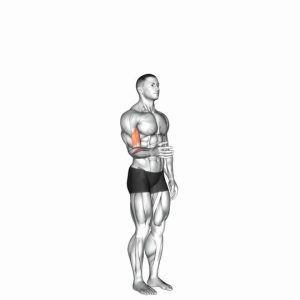
This movement is more advanced than a regular dumbbell curl because it requires you to control two actions at once. Specifically, you combine elbow flexion with forearm rotation in one smooth pattern. As a result, the brachioradialis, biceps, brachialis, grip muscles, and wrist stabilizers all receive useful training stimulus.
However, the goal is not to lift the heaviest dumbbells possible. Instead, focus on clean control, stable elbows, smooth rotation, and a slow lowering phase. In addition, every rep should feel coordinated from the bottom to the top rather than rushed or forced.
Quick Overview
| Body Part | Forearms |
|---|---|
| Primary Muscle | Brachioradialis |
| Secondary Muscle | Biceps brachii, brachialis, forearm extensors, wrist stabilizers, grip muscles |
| Equipment | Pair of dumbbells |
| Difficulty | Beginner to Intermediate |
Sets & Reps (By Goal)
- Forearm strength: 3–4 sets × 8–12 reps. Use a controlled 2–3 second lowering phase so the forearms stay loaded longer.
- Muscle growth: 3–4 sets × 10–15 reps. Choose moderate weight and, therefore, keep every rep strict.
- Grip endurance: 2–3 sets × 15–20 reps. Use lighter dumbbells and maintain constant tension throughout the set.
- Arm warm-up: 1–2 sets × 10–12 reps. In addition, use this before heavier curls, rows, pull-ups, or pulling work.
- Technique practice: 2–3 sets × 8–10 slow reps. Focus specifically on smooth wrist rotation and clean elbow position.
Progression rule: Add reps first. Then, increase dumbbell weight only when you can rotate smoothly without wrist bending, elbow drifting, shoulder swinging, or body leaning.
Setup / Starting Position
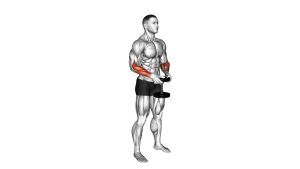
- Stand tall: Place your feet about hip-width to shoulder-width apart. Then, keep your posture upright and balanced.
- Hold the dumbbells: Grip one dumbbell in each hand with your palms facing down in a reverse-grip position.
- Set the arms: Let the arms hang naturally at your sides. Meanwhile, keep the elbows close to the torso.
- Brace lightly: Tighten your core just enough to prevent rocking. As a result, the arms do the work instead of the torso.
- Relax the shoulders: Keep the shoulders down and back. However, do not over-pinch the shoulder blades.
- Stack the wrists: Keep the wrists straight. Otherwise, the weight may pull the joints into a weak position.
- Look forward: Keep the head neutral and avoid dropping the chin toward the chest.
Execution (Step-by-Step)
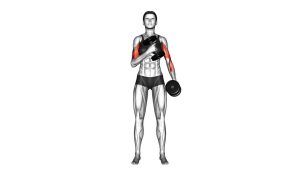
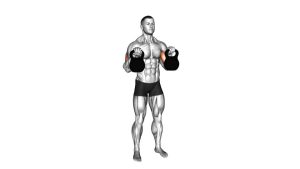
- Start from a full controlled hang: Arms are extended, palms face down, and dumbbells rest beside your thighs. At this point, your body should remain stable and upright.
- Begin the reverse curl: Bend your elbows and raise the dumbbells. At first, keep your palms facing down to emphasize the forearms.
- Keep the elbows close: Your upper arms should stay mostly still. Otherwise, the movement turns into a shoulder-assisted curl.
- Rotate through the middle: As the dumbbells pass mid-range, begin turning your hands. Gradually, the palms shift from down to neutral to more upward.
- Finish near the top: Curl until the dumbbells approach the front of your shoulders. At the same time, keep your posture upright without leaning back.
- Squeeze briefly: Pause for a moment at the top without shrugging. Then, prepare for a controlled descent.
- Lower with control: Reverse the motion slowly. Meanwhile, rotate the hands back from palms-up toward palms-down.
- Return to the start: Finish with arms extended and palms facing down. Finally, reset your posture before starting the next rep.
Pro Tips & Common Mistakes
Pro Tips
- Use light-to-moderate dumbbells: This exercise depends on clean rotation. Therefore, avoid loads that force swinging.
- Rotate gradually: Do not snap the wrists. Instead, let the rotation follow the curl naturally.
- Control the lowering phase: Lower slowly. In turn, this builds more forearm strength and better wrist stability.
- Keep the wrists strong: Imagine your knuckles staying in line with your forearms. Otherwise, the wrists may collapse under load.
- Move both arms evenly: Curl and rotate both dumbbells at the same speed. Meanwhile, keep tension consistent on both sides.
- Stop short of compensation: If your elbows drift or torso leans back, reduce the weight and rebuild clean control.
Common Mistakes
- Swinging the dumbbells: This reduces forearm tension. Instead, move slowly and keep the torso still.
- Rotating too early: This shifts the movement closer to a regular curl. As a result, the forearm emphasis decreases.
- Rotating too late: The movement becomes stiff and awkward. Therefore, begin rotating around the middle of the lift.
- Bending the wrists: This can increase joint stress. So, keep the wrists stacked and aligned with the forearms.
- Letting elbows flare: This reduces isolation. In contrast, fixed elbows improve control and muscle tension.
- Using too much weight: Heavy dumbbells usually cause leaning and swinging. Ultimately, that makes the exercise less effective.
FAQ
What muscles does the Dumbbell Standing Reverse Curl Rotate work?
It primarily targets the brachioradialis, which is one of the main forearm muscles used during reverse curls. In addition, it trains the biceps brachii, brachialis, forearm extensors, wrist stabilizers, and grip muscles. As a result, it is useful for both forearm development and arm control.
Is this exercise more for biceps or forearms?
It is more forearm-focused at the start because the palms face down. However, as you rotate the dumbbells upward, the biceps become more involved. Therefore, this exercise works as a hybrid movement for forearm strength and biceps control.
Should I go heavy on this exercise?
No. Use a weight you can control smoothly. If the dumbbells swing, your elbows move forward, or your wrists bend, then the load is too heavy. Instead, choose a lighter weight and make each rep clean.
When should I rotate the dumbbells?
Start the curl with the palms facing down. Then, begin rotating around the middle of the lift. Finally, finish near the top with the palms more upward. On the way down, reverse the rotation gradually until the palms face down again.
Can beginners do the Dumbbell Standing Reverse Curl Rotate?
Yes, beginners can do it. However, they should start light because the movement requires wrist control, elbow stability, and coordination. If the rotation feels difficult, practice regular dumbbell reverse curls first.
Why do my wrists hurt during this exercise?
Wrist discomfort often comes from using too much weight, bending the wrists, gripping too hard, or rotating too aggressively. Therefore, reduce the load, keep the wrists stacked, and rotate slowly. If pain continues, stop the exercise.
Can I do this exercise seated?
Yes. A seated version can reduce body swinging and make the exercise stricter. However, the standing version is still effective as long as you keep your torso stable and avoid momentum.
Recommended Equipment
- Adjustable Dumbbells — ideal for progressing reverse curl variations without needing multiple dumbbell pairs.
- Rubber Hex Dumbbells — durable dumbbells for strict standing curls and forearm-focused arm training.
- Weightlifting Wrist Wraps — useful for wrist support during higher-volume dumbbell curl sessions.
- Grip Strengthener — helps improve hand strength and grip endurance for forearm training.
- Forearm Wrist Roller — excellent accessory for building wrist, grip, and forearm endurance.
Tip: For this exercise, choose dumbbells that allow smooth rotation. If the weight forces your wrists to bend or your torso to swing, reduce the load and rebuild the movement with cleaner control.