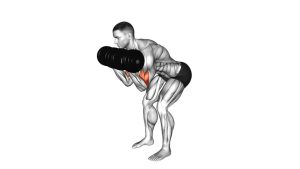
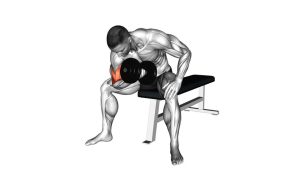
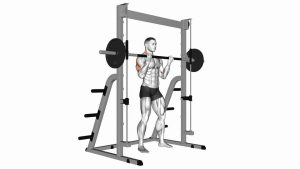
Dumbbell Zottman Preacher Curl: Form, Muscles Worked, Sets, Tips & FAQ
Learn how to perform the Dumbbell Zottman Preacher Curl with strict form to build biceps, brachialis, and forearm strength. Includes setup, execution steps, sets by goal, common mistakes, FAQs, and recommended equipment.
Dumbbell Zottman Preacher Curl
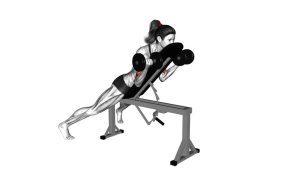
This exercise is best performed with strict elbow positioning, a smooth wrist rotation, and a controlled eccentric. The lifting phase should feel focused in the biceps, while the lowering phase should challenge the upper forearm and brachialis. Keep the upper arm glued to the pad and avoid rushing the rotation.
Quick Overview
| Body Part | Biceps |
|---|---|
| Primary Muscle | Biceps brachii |
| Secondary Muscle | Brachialis, brachioradialis, forearm flexors and extensors |
| Equipment | Dumbbell and preacher bench |
| Difficulty | Intermediate due to the strict setup and grip rotation control |
Sets & Reps (By Goal)
- Muscle growth: 3–4 sets × 8–12 reps per arm, 60–90 sec rest
- Strength-focused arm training: 3–5 sets × 6–8 reps per arm, 90–120 sec rest
- Forearm and brachialis emphasis: 2–4 sets × 10–15 reps per arm, controlled lowering, 45–75 sec rest
- Finisher / pump work: 2–3 sets × 12–15 reps per arm with lighter weight and strict tempo
Progression rule: Master a clean supinated curl, smooth top rotation, and slow pronated lowering before increasing load. Add reps first, then add small weight jumps.
Setup / Starting Position
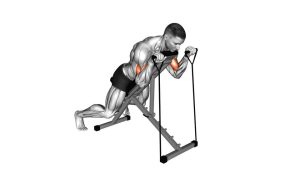
- Adjust the preacher bench: Set the pad height so your armpit rests comfortably near the top without forcing the shoulder forward.
- Plant your body firmly: Sit or stand securely behind the bench with the chest stable and torso quiet.
- Position the working arm: Place the back of the upper arm against the pad with the elbow fixed and aligned naturally.
- Start with a supinated grip: Hold the dumbbell with your palm facing up and the wrist neutral.
- Begin near full extension: Keep a slight bend at the elbow instead of locking out hard at the bottom.
Tip: A slightly lighter dumbbell often produces better reps here because the rotation and eccentric phase make the exercise harder than a standard preacher curl.
Execution (Step-by-Step)
- Brace and stay still: Keep your chest anchored, shoulder relaxed, and upper arm fully supported on the pad.
- Curl the dumbbell up: Flex the elbow and raise the weight in a smooth arc while keeping the palm facing up.
- Squeeze at the top: Pause briefly when the dumbbell approaches shoulder height without letting the elbow lift off the pad.
- Rotate the grip: Turn the wrist from supinated to pronated at the top so the palm faces down.
- Lower under control: Slowly extend the arm while keeping the pronated grip during the eccentric phase.
- Reset at the bottom: Once near full extension, rotate the wrist back to a supinated position and prepare for the next rep.
Pro Tips & Common Mistakes
- Use less weight than a normal preacher curl: The rotation and pronated eccentric make this variation more demanding.
- Keep the upper arm glued to the pad: If the elbow shifts around, you lose isolation and invite momentum.
- Do not rush the rotation: Rotate deliberately at the top and bottom instead of twisting abruptly.
- Own the lowering phase: The pronated eccentric is where much of the unique stimulus comes from.
- Keep the wrist neutral: Avoid excessive wrist bending or letting the dumbbell pull your hand backward.
- Don’t slam the bottom: Maintain slight tension instead of dropping into a hard elbow lockout.
- Train one arm at a time if needed: Unilateral reps often make it easier to focus on cleaner rotation and better control.
FAQ
What makes the Dumbbell Zottman Preacher Curl different from a regular preacher curl?
A regular preacher curl usually keeps the same grip throughout the rep. The Zottman version adds a wrist rotation at the top, then uses a pronated lowering phase to increase forearm and brachialis involvement.
Which muscles does this exercise target most?
The curl-up phase emphasizes the biceps brachii, while the pronated lowering phase increases demand on the brachialis, brachioradialis, and forearms.
Should I use heavy weight for this exercise?
Usually no. This movement works best with moderate or even light-to-moderate weight so you can control the curl, the rotation, and the eccentric without cheating.
Can beginners do the Dumbbell Zottman Preacher Curl?
Yes, but many beginners should first learn standard dumbbell curls and preacher curls. Once you can control both, the Zottman preacher curl becomes a great progression.
Is this exercise good for forearm development too?
Yes. The pronated lowering phase is one of the main reasons this exercise is valuable. It helps train the forearms and brachioradialis more than a standard preacher curl alone.
Recommended Equipment
- Adjustable Dumbbells — ideal for fine load adjustments when strict curl form matters
- Preacher Curl Bench — provides the arm support needed to isolate the biceps and reduce momentum
- Weightlifting Gloves or Grip Pads — helpful if the dumbbell handle feels slippery during the rotation phase
- Adjustable Weight Bench — useful if you want a versatile bench setup for other curl and upper-body variations
- Forearm Trainer / Grip Strengthener — a useful accessory for improving grip endurance and forearm strength
Tip: Prioritize a stable preacher bench and manageable dumbbell increments first. Those two pieces of equipment usually have the biggest impact on exercise quality.