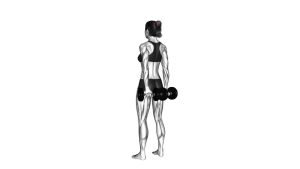
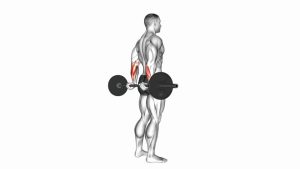
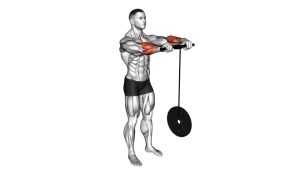
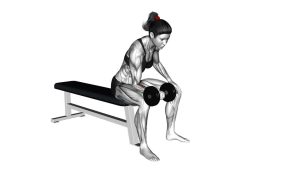
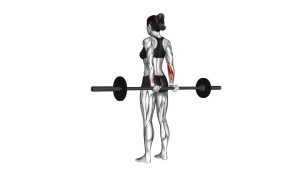
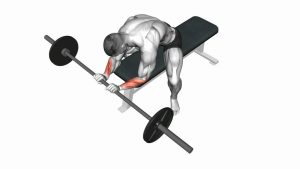
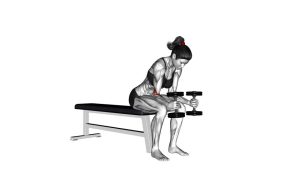
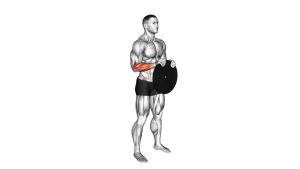
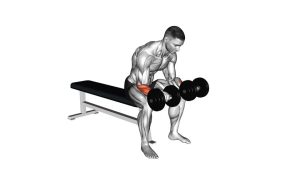
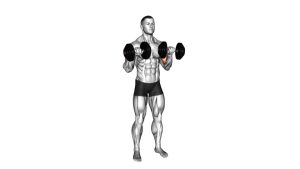
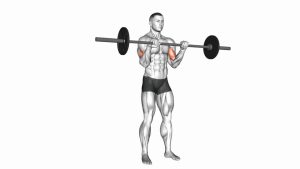
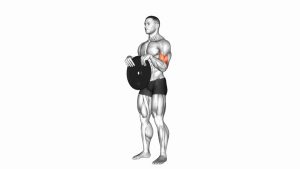
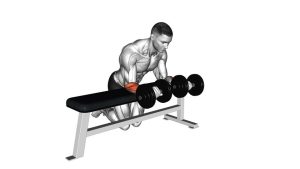
Barbell Reverse Wrist Curl: Proper Form, Sets, Tips & FAQ
Learn the Barbell Reverse Wrist Curl to build stronger forearm extensors, improve wrist stability, and support grip strength. Includes proper form, sets by goal, common mistakes, FAQs, and recommended equipment.
Barbell Reverse Wrist Curl
This exercise works best with light-to-moderate loads and precise execution. You should feel the effort concentrated through the top/back side of the forearms, not in the shoulders or upper arms. Because the wrist extensors are relatively small muscles, clean control matters far more than heavy weight. A short range of motion with a brief squeeze at the top is usually more effective than trying to force extra movement.
Quick Overview
| Body Part | Forearms |
|---|---|
| Primary Muscle | Wrist extensors (extensor carpi radialis, extensor carpi ulnaris, extensor digitorum) |
| Secondary Muscle | Brachioradialis and forearm stabilizers |
| Equipment | Barbell, weight plates, bench or thighs for forearm support |
| Difficulty | Beginner to Intermediate |
Sets & Reps (By Goal)
- Forearm muscle growth: 3–4 sets × 12–20 reps, 45–75 sec rest
- Wrist strength/endurance: 2–4 sets × 15–25 reps, 30–60 sec rest
- Warm-up / activation: 2–3 sets × 12–15 reps with very light load
- Grip-balance accessory work: 2–3 sets × 15–20 reps after pulls, curls, or deadlifts
Progression rule: Increase reps first, then add a small amount of weight only when you can keep the movement smooth, strict, and free of wrist discomfort.
Setup / Starting Position
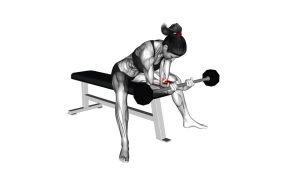
- Sit down securely: Sit on a bench or chair with your forearms resting on your thighs or on a flat bench.
- Use an overhand grip: Hold the barbell with palms facing down and hands about shoulder-width apart.
- Let the wrists move freely: Position your wrists near the edge of the thighs or bench so the hands can travel through the full working range.
- Start low: Let the bar settle into a neutral to slightly lowered wrist position without losing control.
- Lock the upper body in place: Keep elbows, shoulders, and torso still throughout the set.
Tip: A lighter bar or fixed straight bar often works better than loading too heavy. This exercise responds best to precision.
Execution (Step-by-Step)
- Brace your forearms: Keep them planted against your thighs or bench so only the wrists can move.
- Lift the back of the hands: Extend the wrists to raise the bar upward in a short, controlled arc.
- Squeeze at the top: Pause briefly when your wrists reach peak extension and feel the forearm extensors contract.
- Lower slowly: Return the bar under control until the wrists are back to the starting position.
- Repeat without swinging: Keep the tempo smooth and avoid using the elbows or shoulders to help.
Pro Tips & Common Mistakes
- Use lighter weight than expected: The wrist extensors fatigue quickly, and strict reps matter more than load.
- Keep the range practical: A short, controlled arc is enough. Don’t force an exaggerated stretch or hyperextension.
- Pause at the top: A brief squeeze improves tension and helps prevent rushing.
- Don’t turn it into an elbow lift: If the forearms lose contact with the support, you shift tension away from the target muscles.
- Avoid momentum: Jerking the bar up reduces muscular tension and may irritate the wrists.
- Pair it intelligently: Reverse wrist curls work well after rows, reverse curls, hammer curls, deadlifts, or regular wrist curls.
FAQ
What muscles does the Barbell Reverse Wrist Curl work?
It mainly targets the wrist extensors on the back of the forearm. These muscles help extend the wrist and support better forearm balance and grip function.
How heavy should I go on reverse wrist curls?
Start lighter than you think. This is a small-muscle isolation exercise, so most people get better results from controlled reps and steady tension than from heavy loading.
Should I feel this more in my forearms than in my hands?
Yes. Your grip will work to hold the bar, but the main muscular effort should be on the back of the forearms, especially near the wrist extensor area.
Can beginners do this exercise?
Absolutely. It is beginner-friendly as long as you use a manageable load, support the forearms properly, and keep the movement strict.
Is this useful for grip strength?
Yes. While it is not a direct crushing-grip exercise, stronger wrist extensors can improve wrist stability and help support overall grip development.
Recommended Equipment (Optional)
- Adjustable Barbell / Weight Set — practical for loading reverse wrist curls with small, gradual weight increases
- Barbell Collars — keeps plates secure during short-range wrist work
- Wrist Roller — excellent accessory for forearm and wrist endurance training
- Forearm Trainer / Wrist Strengthener — useful for extra direct forearm work outside barbell sessions
- Thick Grip Attachments — helps build supporting grip and forearm demand across many upper-body lifts
Tip: For this exercise, a stable support surface and manageable bar weight matter more than fancy equipment. Build control first, then load gradually.