Wrist Roller: Proper Form, Sets, Forearm Benefits & FAQ
Learn how to do the Wrist Roller with proper form to build stronger forearms, grip, and wrist endurance. Includes setup, step-by-step execution, sets by goal, common mistakes, FAQs, and recommended equipment.
Wrist Roller
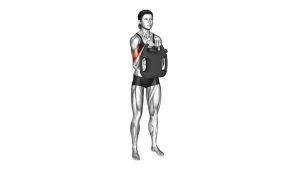
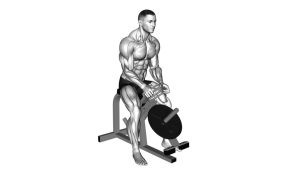
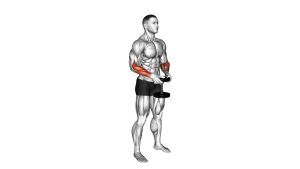
This exercise looks simple, but it creates intense time under tension in the forearms very quickly. The goal is not to swing the shoulders or bend the elbows to help the weight move. Instead, maintain a firm grip, hold the roller steady at arm’s length, and rotate the handles smoothly so the rope wraps and unwraps under control.
Quick Overview
| Body Part | Forearms |
|---|---|
| Primary Muscle | Forearm flexors and forearm extensors |
| Secondary Muscle | Grip muscles, brachioradialis, shoulders (isometric stabilization) |
| Equipment | Wrist roller device or roller handle with rope and attached weight plate |
| Difficulty | Beginner to Intermediate |
Sets & Reps (By Goal)
- Forearm endurance: 2–4 sets of 1 full roll up + 1 controlled roll down, 45–75 sec rest
- Grip strength finisher: 2–3 sets of 2 total rounds, 60–90 sec rest
- Muscle-building accessory work: 3–4 sets of 30–60 seconds of controlled rolling, 60 sec rest
- Athletic grip conditioning: 2–3 sets with moderate load, stopping just before form breaks down
Progression rule: Increase total control time first, then increase load. Never add weight if you cannot keep the roller steady and the lowering phase smooth.
Setup / Starting Position
- Attach the load: Secure a light-to-moderate weight to the rope hanging from the center of the wrist roller.
- Grip the roller firmly: Hold the handle with both hands using a pronated grip unless you intentionally want a variation.
- Raise the arms: Bring the roller to chest or shoulder height with the arms extended in front of you.
- Brace your torso: Stand tall, ribs down, core lightly engaged, and avoid leaning backward.
- Set the wrists neutral: Start with the rope hanging straight down and the wrists ready to rotate under control.
Tip: If shoulder fatigue becomes the limiting factor before the forearms, slightly lower the arm position while still keeping tension on the rope.
Execution (Step-by-Step)
- Begin the roll: Rotate one wrist and then the other in sequence to start wrapping the rope around the handle.
- Keep the elbows quiet: Do not curl the weight up with the arms. The motion should come from wrist rotation.
- Lift the weight steadily: Continue rolling until the weight reaches the top without jerking or swinging.
- Pause briefly: Stabilize the top position for a moment while maintaining grip tension.
- Reverse the direction: Slowly unwrap the rope and lower the weight under control.
- Finish the rep: Return to the bottom without letting the weight drop, then repeat if programmed.
Pro Tips & Common Mistakes
- Use controlled turns: Short, smooth wrist rotations create more consistent tension than rushed rolling.
- Own the lowering phase: The descent is where a lot of the training value happens. Don’t let gravity take over.
- Keep the shoulders down: Avoid turning the exercise into a front raise hold with excessive trap tension.
- Don’t overload too early: Heavy weight often leads to sloppy mechanics and incomplete range.
- Keep the rope centered: Uneven rolling can twist the line and make the movement less stable.
- Use it late in the workout: Wrist rollers are excellent finishers after rows, curls, pull-ups, or deadlift work.
- Stop before total breakdown: Forearm burn is expected; sharp wrist pain is not.
FAQ
What muscles does the wrist roller work?
The wrist roller mainly targets the forearm flexors and forearm extensors. It also challenges the grip muscles and requires the shoulders to stabilize the arm position isometrically.
Should I roll the weight both up and down?
Yes. Rolling the weight up trains the forearms concentrically, while lowering it under control increases time under tension and helps train eccentric strength and endurance.
How heavy should I go on wrist rollers?
Start conservatively. Choose a load that lets you complete a full controlled roll up and roll down without swinging, bending the elbows excessively, or losing wrist control.
Where should I feel this exercise?
You should feel a strong burn and pump through the forearms, especially around the wrist flexors, extensors, and grip. The shoulders may work to hold position, but they should not dominate the movement.
Is the wrist roller good for grip strength?
Yes. It is excellent for building grip endurance and forearm stamina, which can support exercises like deadlifts, pull-ups, rows, and many sports requiring hand and wrist strength.
Recommended Equipment
- Wrist Roller / Forearm Roller — the main tool for performing the exercise and building forearm endurance
- Adjustable Hand Gripper — useful for improving crush grip and complementing wrist roller work
- Resistance Bands Set — great for warm-ups, elbow health work, and additional wrist and forearm training
- Exercise Mat — protects flooring and gives you a clean training space if the weight swings or taps the ground
- Lifting Straps — useful for heavy pulling days when you want to manage grip fatigue separately from wrist roller work
Tip: Keep wrist roller training challenging but controlled. The best results usually come from moderate weight, longer tension, and clean reps rather than ego loading.