Dumbbell Over-Bench Wrist Curl: Proper Form, Sets, Tips & FAQ
Learn the Dumbbell Over-Bench Wrist Curl for stronger forearms, better wrist flexor development, and improved grip support. Includes setup, execution, sets by goal, common mistakes, FAQs, and recommended equipment.
Dumbbell Over-Bench Wrist Curl
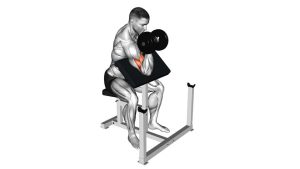
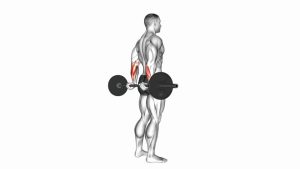
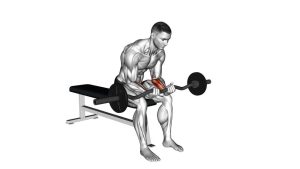
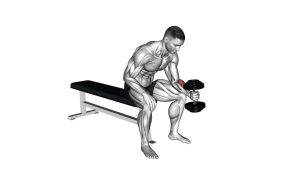
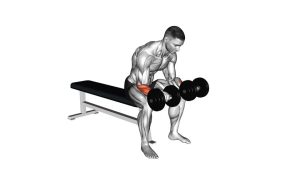
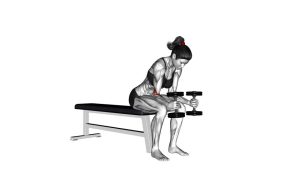
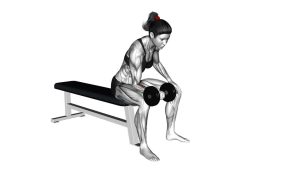
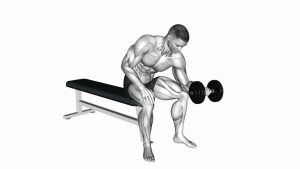
This variation works best with precision, full range of motion, and moderate loads. The bench support helps stabilize the upper arm so the wrist joint does the work instead of the shoulder or elbow. You should feel a strong contraction through the forearm flexors, especially near the top, followed by a deep but controlled stretch at the bottom.
Quick Overview
| Body Part | Forearms |
|---|---|
| Primary Muscle | Wrist flexors |
| Secondary Muscle | Finger flexors, grip musculature, brachioradialis (light stabilization) |
| Equipment | Dumbbell, flat bench |
| Difficulty | Beginner to Intermediate |
Sets & Reps (By Goal)
- Muscle growth: 3–4 sets × 10–15 reps per arm, 45–75 sec rest
- Strength emphasis: 4–5 sets × 6–10 reps per arm, 60–90 sec rest
- Endurance / burn: 2–3 sets × 15–25 reps per arm, 30–45 sec rest
- Accessory after pulling or arm training: 2–4 sets × 12–20 reps per arm
Progression rule: First improve control, stretch, and top-end squeeze. Then add reps. Increase weight only when you can complete all reps without lifting the forearm off the bench or rushing the eccentric.
Setup / Starting Position
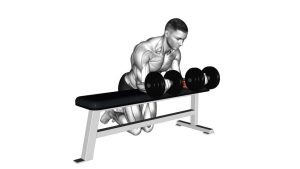
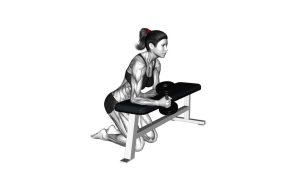
- Stand or kneel behind a flat bench: Position yourself so your working forearm can rest comfortably on top of the bench.
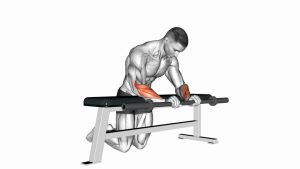
- Place the forearm on the pad: The forearm should be supported while the wrist hangs just past the bench edge.
- Grip the dumbbell with palm facing up: Use a secure but not overly tense grip.
- Keep the elbow and forearm still: The upper arm should remain quiet throughout the set.
- Start in a stretched position: Let the wrist extend downward under control before beginning the first curl.
Tip: Keep your chest and shoulders quiet so the wrist joint becomes the clear driver of the movement.
Execution (Step-by-Step)
- Set the stretch: Begin with the wrist extended and the dumbbell hanging below bench level.
- Curl through the wrist: Flex the wrist upward in a controlled arc without moving the elbow or shoulder.
- Squeeze at the top: Pause briefly when the palm-side forearm is fully contracted.
- Lower slowly: Reverse the motion under control and resist gravity on the way down.
- Return to full stretch: Let the wrist extend again to maximize range before starting the next rep.
Pro Tips & Common Mistakes
- Use full range: The bottom stretch is part of what makes this exercise effective.
- Keep the forearm pinned down: The bench support should remove momentum and isolate the forearm.
- Lead with the wrist, not the arm: The motion should happen at the wrist joint only.
- Control the eccentric: Lowering too quickly reduces tension and increases sloppiness.
- Don’t overload too early: Wrist flexors respond well to clean reps and moderate loading.
- Train both sides evenly: Match reps and tempo on each arm to avoid strength imbalances.
- Avoid partial reps: Shortening the range usually turns this into a weaker pump movement instead of a quality forearm builder.
FAQ
What muscles does the Dumbbell Over-Bench Wrist Curl work?
It mainly targets the wrist flexors on the palm side of the forearm. The finger flexors and grip musculature also assist by stabilizing the dumbbell.
Should I use heavy weight on wrist curls?
Usually, moderate weight works best. This exercise responds more to clean range of motion, a hard top contraction, and a controlled lowering phase than to excessively heavy loading.
Can I do this exercise one arm at a time?
Yes. Single-arm work is often ideal because it lets you focus on wrist position, improve symmetry, and match the same quality of movement on both sides.
How is this different from a seated wrist curl?
The over-bench setup often gives you a cleaner wrist-hanging position and can make it easier to keep the forearm fixed, which improves isolation and consistency.
How often should I train forearms with this exercise?
Most lifters do well with it 1–3 times per week depending on total pulling, gripping, and arm-training volume. If your forearms stay constantly sore, reduce sets or place it farther from heavy grip work.
Recommended Equipment
- Adjustable Dumbbells — versatile loading option for progressive wrist curl training at home
- Flat Weight Bench — provides the stable support needed to keep the forearm fixed during over-bench wrist curls
- Wrist Wraps — useful for lifters who want extra wrist support on higher-volume forearm work
- Grip Strength Trainer — complements wrist curls by building crush grip and general forearm endurance
- Wrist & Forearm Blaster — adds another direct forearm-training option for flexors, extensors, and grip work
Tip: Use tools that improve consistency and comfort, but keep the main focus on strict reps, full stretch, and controlled loading.