Kettlebell Bent Press: Proper Form, Muscles Worked, Sets, Tips & FAQ
Learn how to perform the Kettlebell Bent Press with safe step-by-step form, muscles worked, setup cues, sets by goal, common mistakes, FAQs, and recommended equipment.
Kettlebell Bent Press
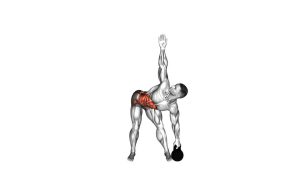
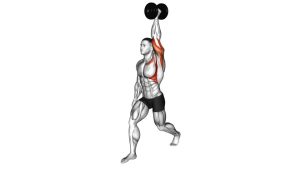
The kettlebell bent press rewards patience, mobility, and clean technique. Each rep should feel like a controlled combination of a side hinge, thoracic rotation, and overhead lockout. The kettlebell stays stacked above the shoulder while the torso moves away from the weight. Because of this, the exercise demands strong positioning from the wrist, elbow, shoulder, ribs, hips, and feet.
This is not a beginner pressing drill. Before using heavy weight, you should already feel comfortable with kettlebell rack position, overhead holds, windmills, Turkish get-ups, and hip-hinge mechanics. A light kettlebell is the best starting point because the movement is technical. Better control always comes before heavier loading.
Quick Overview
| Body Part | Shoulders |
|---|---|
| Primary Muscle | Shoulders, especially the deltoids and rotator cuff stabilizers |
| Secondary Muscle | Obliques, lats, triceps, serratus anterior, upper back, glutes, hamstrings, and spinal stabilizers |
| Equipment | Kettlebell |
| Difficulty | Advanced |
Sets & Reps (By Goal)
- Technique practice: 3–5 sets × 1–3 reps per side with a light kettlebell and long rest periods.
- Shoulder stability: 3–4 sets × 2–4 reps per side with slow control and a strong overhead lockout.
- Strength development: 4–6 sets × 1–3 reps per side using a challenging but safe kettlebell.
- Mobility and control: 2–4 sets × 2–5 reps per side using a light kettlebell and a smooth tempo.
- Skill warm-up: 2–3 sets × 1–2 reps per side before heavier kettlebell pressing or windmill work.
Progression rule: Add weight only when every rep is smooth, stacked, and pain-free. First improve your overhead position, hip hinge, side bend, and breathing. Then increase the kettlebell size gradually.
Setup / Starting Position
- Clean the kettlebell to the rack position: Bring the kettlebell to one shoulder with the wrist straight, forearm vertical, and elbow close to the ribs.
- Set your feet wider than shoulder-width: Turn the feet slightly outward. This gives your hips enough room to shift and hinge during the bent press.
- Pack the working shoulder: Pull the shoulder blade down and back without forcing the chest up. The shoulder should feel connected, not loose.
- Brace the core: Keep the ribs controlled and the abdomen firm. Avoid leaning backward before the press begins.
- Look at the kettlebell: Keep your eyes on the bell during the descent and lockout. This improves balance and helps you maintain shoulder position.
- Prepare the free hand: Let the opposite hand hover near the thigh. It will slide down the leg as your torso bends away from the kettlebell.
A strong setup makes the entire exercise safer. Do not rush the rack position. If the kettlebell pulls your wrist backward or your shoulder forward, reduce the weight.
Execution (Step-by-Step)
- Start from a tight rack: Stand tall with the kettlebell close to the body. Keep the elbow under the bell and the wrist neutral.
- Begin the press and lean away: Start extending the working arm while shifting your hips away from the kettlebell side. The press and side bend happen together.
- Lock the arm early: As the elbow straightens, keep the shoulder packed. Do not let the kettlebell drift forward or behind your body.
- Slide the free hand down the leg: Let the opposite hand travel down the thigh toward the knee or shin. This helps guide the side hinge.
- Rotate the chest slightly upward: Open the torso enough to keep the kettlebell stacked vertically over the shoulder. Avoid twisting aggressively.
- Reach the bottom position with control: The working arm should be locked overhead. The free hand may touch the leg or floor depending on your mobility.
- Drive through the feet: Push the floor away and begin standing back up. Keep the kettlebell fixed overhead.
- Return to full standing: Finish tall with the arm locked, shoulder stable, ribs down, and kettlebell stacked over the shoulder.
- Lower safely: Bring the kettlebell back to the rack position with control before switching sides or ending the set.
Pro Tips & Common Mistakes
Pro Tips
- Practice without weight first: Rehearse the side hinge and torso path before adding a kettlebell.
- Use a light kettlebell for learning: Technique matters more than load. Heavy weight should come later.
- Keep the wrist stacked: A bent wrist weakens the press and can create unnecessary strain.
- Let the hips move: The hips shift away from the kettlebell side. This creates space for the torso to fold.
- Use the lat for stability: Think about pulling the shoulder down into the socket while keeping the arm long.
- Breathe behind the brace: Stay tight, but do not hold your breath so long that you lose control.
Common Mistakes
- Pressing straight up like a strict press: The bent press is not only an arm press. The body must move under the kettlebell.
- Letting the kettlebell drift forward: A forward bell position stresses the shoulder and reduces balance.
- Rounding the spine: The torso should hinge and rotate with control. Avoid collapsing through the lower back.
- Losing eye contact with the bell: Looking away too early can reduce overhead control.
- Using too much weight: Heavy loading before mastering the pattern often causes poor shoulder position and unsafe reps.
- Rushing the stand-up: The ascent should be smooth. Do not jerk the body upright under the kettlebell.
FAQ
What muscles does the Kettlebell Bent Press work?
The kettlebell bent press mainly trains the shoulders, rotator cuff stabilizers, triceps, lats, and obliques. It also works the glutes, hamstrings, upper back, serratus anterior, and deep core muscles because the body must stabilize under an overhead load.
Is the Kettlebell Bent Press good for shoulder strength?
Yes, it can build strong overhead stability when performed correctly. However, it is a technical lift. Beginners should first develop overhead holds, kettlebell presses, windmills, and Turkish get-ups before loading the bent press heavily.
Is the Kettlebell Bent Press a beginner exercise?
No. The movement is usually best for intermediate to advanced lifters. It requires shoulder mobility, hip mobility, thoracic rotation, core control, and safe kettlebell handling.
How heavy should I go on the Kettlebell Bent Press?
Start light. Choose a kettlebell that allows you to control the rack position, lockout, side bend, and return without pain or wobbling. Increase weight only after your technique stays consistent on both sides.
Should I touch the floor during the bent press?
Not always. Touching the floor depends on your mobility, limb length, and variation. The priority is a stable overhead kettlebell, a controlled side hinge, and a safe spine position.
What is the difference between a bent press and a windmill?
In a windmill, the kettlebell usually starts overhead before the torso moves. In a bent press, the kettlebell starts from the rack position, and the lifter presses while moving the body under the weight.
Why does my shoulder feel unstable during this exercise?
Shoulder instability may come from using too much weight, losing the stacked overhead line, lacking rotator cuff control, or rushing the movement. Reduce the load and practice overhead holds or windmills first.
Recommended Equipment
- Cast Iron Kettlebell — a durable option for learning and progressing the bent press.
- Competition Kettlebell — consistent bell size can help with rack comfort and overhead control.
- Kettlebell Wrist Guards — useful for reducing forearm discomfort during rack and overhead work.
- Non-Slip Exercise Mat — supports safer foot contact and floor-based mobility practice.
- Resistance Bands Set — helpful for shoulder warm-ups, rotator cuff activation, and upper-back prep.
Choose equipment that supports clean technique. A stable kettlebell, comfortable wrist position, and proper warm-up tools can make the bent press safer and easier to learn.