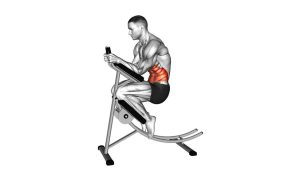
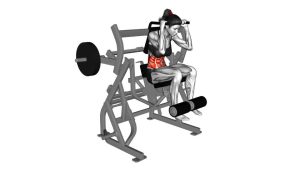
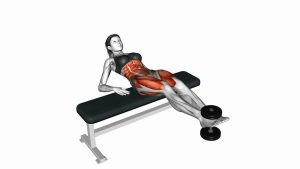
Lever Lying Crunch: Proper Form, Benefits, Sets, Tips & FAQ
Learn the Lever Lying Crunch with proper form, setup, sets, reps, common mistakes, FAQs, and equipment tips for stronger abs.
Lever Lying Crunch
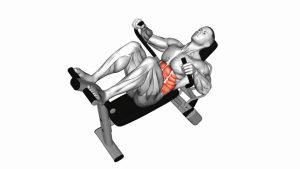
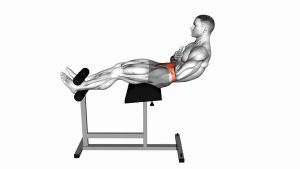
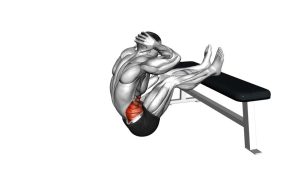
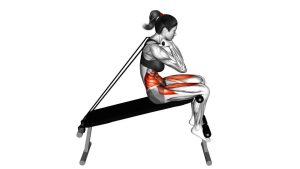
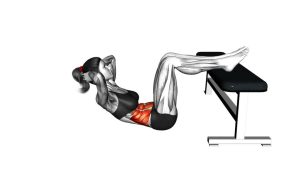
This exercise is useful when you want a strict, repeatable crunch pattern with external resistance. The machine keeps your lower body stable while your abdominal muscles create the main movement. For the best result, treat each rep as a slow curl instead of a fast sit-up. Your shoulders should rise because your abs contract, not because your arms yank your torso forward.
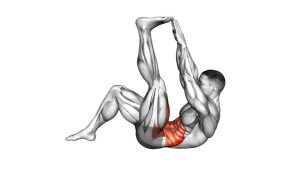
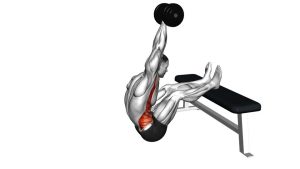
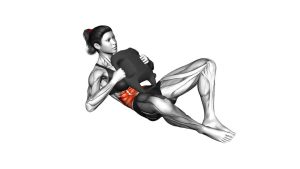
During the video movement, the body starts in a supported lying position with the knees bent and the feet fixed under the pads. The torso then curls upward into a compact crunch before returning slowly to the bench. This pattern makes the exercise especially effective for learning how to shorten the abs while controlling the lowering phase.
Quick Overview
| Body Part | Core |
|---|---|
| Primary Muscle | Rectus abdominis |
| Secondary Muscle | Obliques, deep core stabilizers, hip flexors as stabilizers |
| Equipment | Lever lying crunch machine / abdominal crunch machine |
| Difficulty | Beginner to intermediate, depending on resistance and control |
Sets & Reps (By Goal)
- Core activation: 2–3 sets × 10–15 reps with light resistance and a smooth tempo.
- Muscle growth: 3–4 sets × 8–12 reps with moderate resistance and a strong squeeze at the top.
- Endurance: 2–4 sets × 15–20 reps using controlled reps and short rest periods.
- Strength-focused abs: 3–5 sets × 6–10 reps with heavier resistance, only if your form stays clean.
- Finisher work: 1–3 sets × 12–20 reps near the end of a workout without rushing the lowering phase.
Progression rule: Add resistance only after you can complete every rep without neck pulling, hip jerking, or bouncing at the bottom. A slower eccentric phase is often a better first progression than extra weight.
Setup / Starting Position
- Adjust the machine: Set the pads so your body lies securely on the bench and your legs fit comfortably under the rollers.
- Lie back with control: Keep your back supported, bend your knees, and anchor your lower legs under the pads.
- Grip the handles lightly: Hold the side handles near your head or shoulders without using them to pull your torso forward.
- Set your rib position: Keep your ribs from flaring upward before the first rep. A small brace helps your abs engage early.
- Keep your neck neutral: Look forward or slightly upward depending on the machine angle. Avoid forcing the chin into the chest.
- Start with light resistance: Choose a load that lets you feel your abs working before your hip flexors or neck take over.
Setup matters because the machine can make momentum easy to hide. A stable starting position keeps the work focused on the abdominal wall.
Execution (Step-by-Step)
- Brace gently before moving: Exhale slightly and tighten your abs as if preparing to bring your ribs toward your pelvis.
- Begin the crunch from the torso: Curl your upper back away from the bench while keeping your lower body fixed under the pads.
- Drive the motion with your abs: Let the rectus abdominis shorten your torso. Do not yank the handles or throw your head forward.
- Reach peak contraction: Pause briefly when your torso is curled and your abs feel fully shortened.
- Control the descent: Lower your shoulders and upper back slowly until your torso returns to the starting position.
- Reset without bouncing: Let the bench support you again, then begin the next rep with the same controlled brace.
Pro Tips & Common Mistakes
Pro Tips
- Think ribs to pelvis: This cue keeps the focus on spinal flexion instead of turning the exercise into a hip-flexor pull.
- Exhale during the crunch: A controlled exhale can help you contract the abs harder at the top.
- Pause briefly at peak range: Holding the top for one second improves control and reduces momentum.
- Use a slower lowering phase: Lowering in two to three seconds increases time under tension and improves technique.
- Keep the handles passive: Your hands should stabilize your position, not drag your torso forward.
Common Mistakes
- Pulling with the arms: This reduces abdominal work and may create neck or shoulder tension.
- Using too much weight: Heavy resistance often causes jerky reps, hip flexor dominance, or short range of motion.
- Bouncing at the bottom: A fast rebound removes control and increases stress on the lower back.
- Crunching the neck first: The torso should curl as one controlled unit, with the neck staying comfortable.
- Letting the hips lift: Keep the lower body anchored so the abs remain the main mover.
FAQ
What muscles does the Lever Lying Crunch work?
The Lever Lying Crunch mainly targets the rectus abdominis, which is the front abdominal muscle responsible for spinal flexion. The obliques and deeper core muscles assist with control and stability during the movement.
Is the Lever Lying Crunch good for beginners?
Yes, it can be beginner-friendly when the resistance is light and the machine is adjusted correctly. Beginners should focus on slow reps, a comfortable range of motion, and clean abdominal contraction before adding weight.
Should I use heavy weight on this exercise?
Use only enough resistance to challenge your abs without changing your form. If heavy weight makes you pull with your arms, jerk your torso, or strain your neck, the load is too high.
Where should I feel the Lever Lying Crunch?
You should feel the strongest contraction through the front of your abs. Mild tension around the sides of the waist is normal, but the neck, lower back, and hip flexors should not dominate the movement.
How is this different from a regular floor crunch?
A regular floor crunch uses bodyweight and requires less setup. The lever lying crunch adds machine resistance and lower-body anchoring, which can make progressive overload easier.
Can I do this exercise every day?
You can train the movement often if the volume and resistance are low. For harder sets, give your abs time to recover just like any other muscle group.
Recommended Equipment
- Ab Crunch Machine — useful for machine-based abdominal crunch training at home.
- Adjustable Ab Bench — a practical alternative for decline crunches and other core exercises.
- Thick Exercise Mat — helpful for floor-based crunch variations, warm-ups, and stretching.
- Foam Roller Pad / Ankle Support Pad — adds comfort when anchoring the lower legs during crunch-style movements.
- Weight Lifting Gloves — improves grip comfort when holding machine handles during higher-rep sets.
Tip: Equipment should improve control, not replace technique. Choose tools that help you stay stable, comfortable, and consistent.