Cable Standing Crunch: Proper Form, Abs Benefits, Sets, Tips & FAQ
Learn the cable standing crunch with rope for stronger abs, better core control, and safer spinal flexion. Includes form, sets, tips, FAQs, and gear.
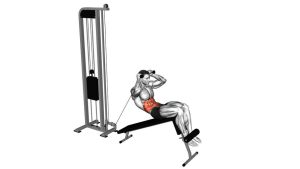
Cable Standing Crunch (With Rope Attachment)
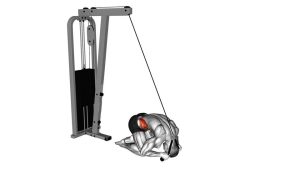
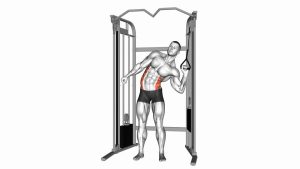
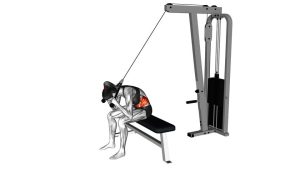
The standing rope position makes this exercise practical for lifters who want a strong ab movement without lying on the floor. It also teaches you how to flex the spine under resistance while keeping your lower body controlled. When performed correctly, the cable standing crunch feels like a deep abdominal squeeze rather than a hip hinge, squat, or arm pull. The rope should stay close to the head, but your hands should only hold position. Your abs should create the crunch.
Because the cable provides constant tension, every phase matters. The downward crunch builds the contraction. The bottom position strengthens the shortened range. The slow return trains control and prevents the stack from pulling your torso back too quickly. Use a load that allows clean reps, steady breathing, and a strong squeeze without swinging.
Quick Overview
| Body Part | Core |
|---|---|
| Primary Muscle | Rectus abdominis |
| Secondary Muscle | Obliques, transverse abdominis, deep core stabilizers, hip stabilizers |
| Equipment | Cable machine and rope attachment |
| Difficulty | Beginner to intermediate, depending on load and control |
Sets & Reps (By Goal)
- Core strength: 3–4 sets × 8–12 reps with a controlled squeeze at the bottom.
- Muscle growth for abs: 3–5 sets × 10–15 reps using moderate weight and constant tension.
- Technique practice: 2–3 sets × 12–15 reps with light weight and slower tempo.
- Core finisher: 2–4 sets × 15–20 reps with short rest and clean movement.
- Strength endurance: 3 sets × 15–25 reps using a smooth rhythm and no swinging.
Progression rule: Add reps first, then increase the cable weight gradually. Do not increase load if your hips start driving the movement or your arms begin pulling the rope down.
Setup / Starting Position
- Attach a rope to a high pulley: Set the cable above head height so the line of resistance pulls upward as you crunch downward.
- Stand facing away or slightly under the pulley: Choose a position where the cable stays under tension from the start without dragging you backward.
- Hold the rope near your head: Keep each rope end beside the temples, ears, or upper chest. Your hands should stay fixed during the movement.
- Set your feet firmly: Stand about hip-width apart with soft knees and stable pressure through the mid-foot.
- Brace lightly before moving: Keep your ribs controlled, pelvis steady, and shoulders relaxed. Start tall, but do not overarch your lower back.
The setup should feel stable before the first rep begins. If the cable pulls you off balance, reduce the weight or step into a better position.
Execution (Step-by-Step)
- Begin tall with tension on the cable: Hold the rope close to your head and keep your elbows slightly forward.
- Start the crunch from your abs: Pull your ribcage down toward your pelvis by rounding the upper spine.
- Keep your hips stable: Do not turn the movement into a hip hinge. Your pelvis should stay mostly fixed while your spine flexes.
- Bring your elbows downward: Let the elbows travel toward the thighs as a result of the crunch, not because your arms are pulling.
- Squeeze at the bottom: Pause briefly when your abs are fully shortened. Exhale as you contract.
- Return with control: Slowly extend your spine back toward the starting position while keeping tension on the abs.
- Reset before the next rep: Stop at a tall, controlled position. Avoid letting the cable yank your torso upward.
Pro Tips & Common Mistakes
Pro Tips
- Keep the rope fixed: Your hands should act like hooks. The abs should perform the crunch.
- Use a full exhale: Breathe out as you crunch to increase abdominal contraction.
- Pause at peak contraction: A short pause helps you feel the abs instead of rushing reps.
- Control the return: The eccentric phase should be slow enough that the weight stack does not slam.
- Use moderate weight: Heavy loading is useful only when the spine flexion stays clean.
Common Mistakes
- Pulling with the arms: This turns the exercise into a rope pulldown instead of an ab crunch.
- Hinging at the hips: Folding forward from the hips reduces abdominal work and changes the pattern.
- Using too much weight: Excess load often causes swinging, shoulder tension, and poor range.
- Overextending at the top: Letting the ribs flare can irritate the lower back and reduce core tension.
- Rushing the reps: Fast reps reduce control and make it harder to feel the target muscles.
FAQ
What muscles does the cable standing crunch work?
The main muscle worked is the rectus abdominis, which creates spinal flexion. The obliques and deep core muscles also help stabilize your torso while the cable creates resistance.
Is the standing cable crunch better than the kneeling cable crunch?
Both are effective. The standing version may feel more athletic and easier to set up, while the kneeling version often gives more stability. Choose the one that lets you feel your abs best without hip movement.
Should I go heavy on cable standing crunches?
You can use progressive overload, but only if your form stays strict. If your arms pull, hips hinge, or lower back takes over, the weight is too heavy.
Where should I feel the cable standing crunch?
You should feel a strong contraction through the front of your abs, especially when your ribs move toward your pelvis. You should not feel most of the work in your arms, shoulders, hip flexors, or lower back.
Can beginners do the cable standing crunch?
Yes. Beginners can use this exercise if they start light and focus on technique. The key is learning spinal flexion first before adding heavier resistance.
How often should I train cable standing crunches?
Most lifters can perform them 2–4 times per week as part of a core routine. Allow recovery if your abs are sore, and avoid heavy loaded flexion every day.
Recommended Equipment
- Cable Rope Attachment — the main attachment needed for standing rope cable crunches.
- Cable Attachment Set — useful for expanding cable machine core, leg, and upper-body exercises.
- Home Cable Pulley System — a practical option for performing cable-style ab exercises at home.
- Weightlifting Gloves — can improve grip comfort when using rope attachments for higher-rep sets.
- Thick Exercise Mat — helpful for pairing standing cable crunches with floor-based ab exercises.
Choose equipment that feels secure and allows smooth cable movement. A good rope attachment should be comfortable to grip and strong enough for repeated loaded core training.