Front Toe Touching Exercise: Hamstring Stretch, Form, Benefits & Tips
Learn the Front Toe Touching exercise to improve hamstring flexibility, hip mobility, and lower-body control with safe form, sets, tips, FAQs, and gear.
Front Toe Touching
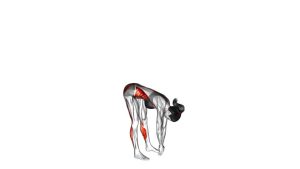
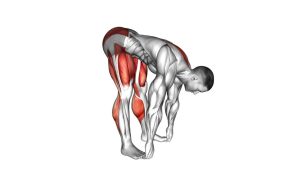
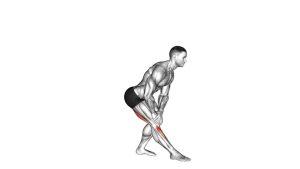
Front Toe Touching works best when it is performed with a smooth hip hinge, relaxed breathing, and a controlled reach. It can be used before training as a dynamic mobility drill or after training as a gentle cooldown stretch. During each repetition, the hips fold backward slightly while the torso lowers forward. The knees may stay mostly straight, but they should never lock aggressively.
This movement is especially useful for people who want to improve hamstring flexibility, reduce stiffness from sitting, and build better awareness of the posterior chain. Because the exercise uses only bodyweight, it is easy to include in home workouts, gym warm-ups, flexibility routines, Pilates-style sessions, and beginner mobility programs.
Quick Overview
| Body Part | Legs |
|---|---|
| Primary Muscle | Hamstrings |
| Secondary Muscle | Glutes, calves, erector spinae, lower back, and core stabilizers |
| Equipment | None. Optional: yoga mat, yoga blocks, stretching strap, or foam roller |
| Difficulty | Beginner |
Sets & Reps (By Goal)
- Dynamic warm-up: 2–3 sets × 8–12 controlled reps with a smooth up-and-down rhythm.
- Flexibility practice: 2–4 sets × 20–40 second holds while breathing slowly.
- Cooldown stretching: 1–3 sets × 30–60 second relaxed holds after training.
- Beginner mobility reset: 1–2 sets × 6–10 easy reps during desk breaks or morning routines.
Progression rule: First improve control and breathing. Then increase hold time gradually. Do not force deeper range by rounding hard or pulling aggressively on the toes.
Setup / Starting Position
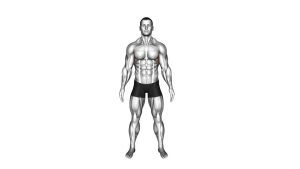
- Stand tall: Place your feet about hip-width apart with toes pointing forward.
- Balance your weight: Keep pressure through the heels, midfoot, and balls of the feet.
- Soften the knees: Keep the legs mostly straight, but avoid locking the knees hard.
- Brace lightly: Gently engage your core so the movement stays controlled.
- Relax the upper body: Let your shoulders stay down and your neck remain loose.
- Prepare to hinge: Think about folding from the hips before reaching from the spine.
Tip: If your hamstrings feel very tight, start with a small knee bend. This keeps the stretch safer and helps you control the movement without strain.
Execution (Step-by-Step)
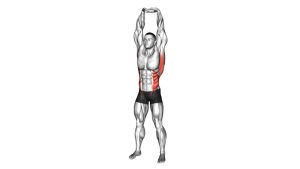
- Begin upright: Stand tall with your chest open, shoulders relaxed, and arms resting naturally in front of your thighs.
- Start the forward fold: Push your hips slightly back and begin lowering your torso toward the floor.
- Reach toward the toes: Let your hands travel down the thighs, past the knees, and toward the shins, ankles, or toes.
- Control the bottom position: Stop when you feel a comfortable hamstring stretch. Your hands may touch the toes, the floor, or only reach the shins.
- Pause briefly: Hold the position for a short moment while breathing out and relaxing the neck.
- Return smoothly: Engage the glutes and hamstrings lightly, then lift the torso back to standing without jerking.
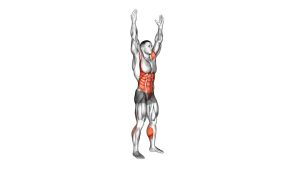
- Reset posture: Finish tall with shoulders stacked over hips before starting the next rep.
Pro Tips & Common Mistakes
Pro Tips
- Move slowly: A controlled tempo improves mobility better than fast bouncing.
- Exhale on the way down: This helps the body relax into the stretch.
- Keep the feet grounded: Avoid rocking onto the toes or lifting the heels.
- Use a small knee bend: This is helpful if your hamstrings are tight.
- Reach only as far as you can control: Touching the toes is optional, not required.
- Think hips first: A hip-led fold protects the lower back and improves stretch quality.
Common Mistakes
- Bouncing at the bottom: This can irritate the hamstrings and lower back.
- Locking the knees: Hard knee lockout may create uncomfortable tension behind the knees.
- Forcing toe contact: Rounding aggressively just to reach lower reduces movement quality.
- Holding the breath: Breathing helps the nervous system relax into the stretch.
- Shifting weight too far forward: Keep your weight balanced across the whole foot.
FAQ
What muscles does Front Toe Touching stretch?
Front Toe Touching mainly stretches the hamstrings. It can also create a gentle stretch through the glutes, calves, and lower back, depending on your range of motion and body position.
Do I need to touch my toes for the exercise to work?
No. The goal is controlled movement and a comfortable stretch. If your hands only reach your shins or ankles, the exercise can still be effective.
Should I keep my knees straight?
Keep the knees mostly straight if comfortable, but avoid locking them hard. A small knee bend is often safer for beginners and people with tight hamstrings.
Is Front Toe Touching a warm-up or cooldown exercise?
It can be both. Use controlled repetitions as a warm-up. Use longer relaxed holds after training as a cooldown stretch.
Why do I feel this in my lower back?
Some lower-back stretch can happen during forward folding. However, if the lower back feels painful or overloaded, bend the knees slightly, reduce the range, and focus on hinging from the hips.
How often can I do Front Toe Touching?
Most beginners can practice it several times per week. For gentle mobility work, it can also be done daily if it feels comfortable and does not create soreness or pain.
Recommended Equipment (Optional)
- Yoga Mat — gives you a stable, comfortable surface for warm-ups, cooldowns, and mobility routines.
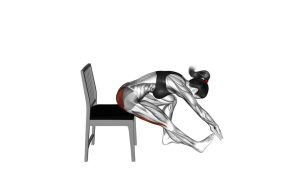
- Stretching Strap with Loops — useful if you cannot reach your toes yet and want better control during hamstring stretching.
- Yoga Blocks — provide hand support when your flexibility is limited and help reduce lower-back strain.
- Foam Roller — helpful for preparing the calves, hamstrings, and glutes before mobility work.
- Resistance Bands Set — useful for pairing this stretch with glute bridges, band walks, and posterior-chain activation.
Tip: Equipment is optional. Front Toe Touching can be done with no gear, but blocks or a strap can make the exercise more beginner-friendly and easier to control.