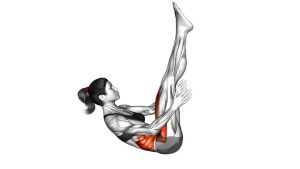
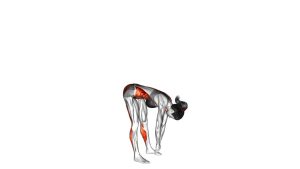
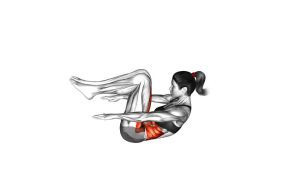
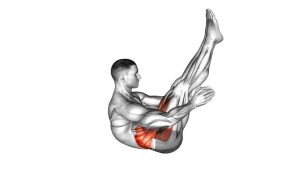
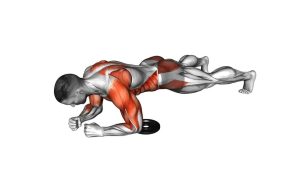
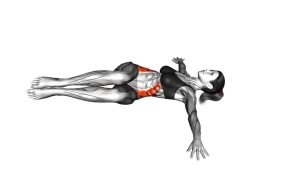
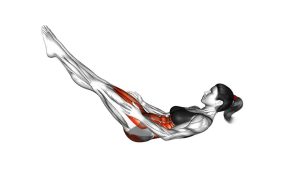
Side Two Front Toe Touching: Form, Benefits, Sets, Tips & FAQ
Learn Side Two Front Toe Touching for core control, hamstring mobility, balance, and coordination with step-by-step form, sets, tips, FAQs, and gear.
Side Two Front Toe Touching
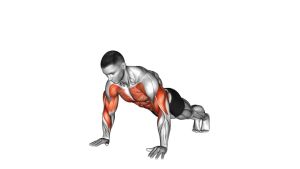
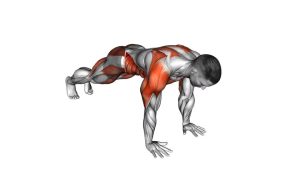
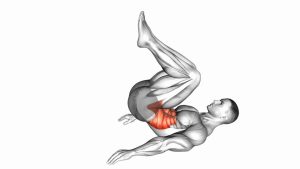
This exercise is useful as a warm-up, mobility drill, coordination exercise, or low-impact conditioning move. It trains the body to move across the midline while keeping the trunk stable. Because the movement is done from a standing position, it also challenges balance and lower-body control without requiring equipment.
The goal is not to force the deepest toe touch possible. Instead, focus on lifting the leg with control, hinging slightly from the hips, reaching with the opposite hand, and returning to a tall standing posture. A clean repetition should feel coordinated, light, and rhythmic.
Quick Overview
| Body Part | Core, Hamstrings |
|---|---|
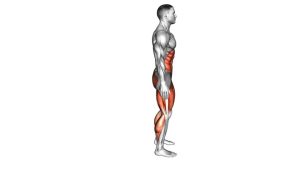
| Primary Muscle | Core stabilizers, especially the obliques and rectus abdominis |
| Secondary Muscle | Hamstrings, hip flexors, glutes, calves, shoulders, and spinal stabilizers |
| Equipment | No equipment required |
| Difficulty | Beginner to intermediate, depending on speed, balance demand, and range of motion |
Sets & Reps (By Goal)
- Warm-up and mobility: 2–3 sets × 10–16 total reps at a slow, controlled tempo.
- Core coordination: 3–4 sets × 12–20 total reps, alternating sides with clean balance.
- Low-impact cardio: 3–5 rounds × 30–45 seconds, resting 30–60 seconds between rounds.
- Beginner balance practice: 2 sets × 6–10 reps per side, using a shorter range of motion.
- Dynamic flexibility: 2–3 sets × 8–12 reps per side, pausing briefly near the toe reach.
Progression rule: First improve balance and control. Then increase reps, tempo, or range. Do not increase speed if your spine rounds, your leg swings, or your standing foot becomes unstable.
Setup / Starting Position
- Stand tall: Place your feet about hip-width apart with your weight evenly balanced.
- Brace lightly: Engage your core as if preparing to resist a small push.
- Relax the shoulders: Keep the arms free so they can reach naturally toward the opposite foot.
- Set your gaze: Look forward or slightly downward to help maintain balance.
- Prepare to alternate: Decide whether you will move slowly for mobility or rhythmically for conditioning.
If balance is difficult, stand near a wall or stable object. Use it only for light support, not to pull yourself through the movement.
Execution (Step-by-Step)
- Begin from a tall stance: Keep your chest lifted, ribs controlled, and feet grounded.
- Lift one leg forward: Raise the leg in front of your body with the knee mostly straight or softly bent.
- Reach with the opposite hand: Bring the opposite hand toward the toes of the lifted foot.
- Hinge slightly: Allow a controlled forward lean from the hips while keeping the spine long.
- Touch or reach near the toes: Contact is optional. The priority is clean control, not forced range.
- Return to center: Lower the leg and bring the torso back upright without rushing.
- Switch sides: Repeat the same pattern with the opposite leg and opposite hand.
- Continue alternating: Maintain a steady rhythm while keeping each repetition balanced and smooth.
Pro Tips & Common Mistakes
Pro Tips
- Move with control: A slower tempo builds better balance and coordination.
- Keep the core active: Brace lightly so the torso does not twist or wobble excessively.
- Reach across the body: The opposite-hand reach helps train cross-body coordination.
- Use a soft knee when needed: A slight bend can reduce hamstring strain and improve control.
- Breathe naturally: Exhale as you reach, then inhale as you return to standing.
- Stay tall between reps: Reset your posture before switching sides.
Common Mistakes
- Swinging the leg: Momentum reduces control and can irritate the hamstrings or lower back.
- Rounding too much: A small forward hinge is fine, but avoid collapsing through the spine.
- Reaching too aggressively: You do not need to touch the toes if your mobility is limited.
- Losing balance: Slow down and shorten the range if your standing foot keeps shifting.
- Holding the breath: Breath-holding increases tension and makes the movement feel stiff.
- Letting the shoulders tense: Keep the reach smooth rather than forced.
FAQ
What muscles does Side Two Front Toe Touching work?
It mainly trains the core stabilizers, especially the obliques and rectus abdominis. It also involves the hamstrings, hip flexors, glutes, calves, shoulders, and balance muscles around the ankle and hip.
Is Side Two Front Toe Touching good for beginners?
Yes. Beginners can use a smaller range of motion, a slower tempo, and a slight knee bend. The exercise becomes harder when you increase speed, reach lower, or keep the lifted leg straighter.
Do I have to touch my toes every rep?
No. Reaching toward the toes is enough. Forcing the touch can cause rounding, bouncing, or hamstring strain. Clean control is more important than maximum depth.
Can this exercise help with hamstring flexibility?
It can support dynamic hamstring mobility because the leg lifts forward while the body reaches toward it. However, it should feel like a controlled mobility drill, not a painful stretch.
Should I do it fast or slow?
Use a slow pace for mobility, balance, and technique. Use a moderate rhythm for warm-ups or low-impact conditioning. Avoid fast reps until your control is consistent.
Why do I lose balance during the movement?
Balance can become difficult because you are lifting one leg, reaching across the body, and shifting your center of mass. Shorten the reach, slow down, and keep the standing foot grounded.
Is this exercise better for abs or legs?
It works both. The core stabilizes and coordinates the reach, while the hamstrings and hip flexors assist the leg action. It is best classified as a standing core and mobility exercise.
Recommended Equipment (Optional)
- Exercise Mat — useful for warm-ups, cooldown stretches, and comfortable floor mobility work.
- Non-Slip Training Shoes — helps improve grip and stability during alternating standing movements.
- Mini Resistance Bands — great for pairing with glute activation and hip stability drills.
- Yoga Block — useful as a target if you cannot comfortably reach your toes.
- Balance Pad — optional progression for advanced balance and ankle stability training.
Tip: Equipment is optional. Start with bodyweight first, then add tools only when they improve control, comfort, or progression.