Elbow Touch to Outer Throw: Form, Benefits, Sets, Mistakes & FAQ
Learn how to perform the Elbow Touch to Outer Throw with proper form. Discover chest activation benefits, setup, step-by-step execution, sets and reps by goal, common mistakes, FAQs, and recommended equipment.
Elbow Touch to Outer Throw
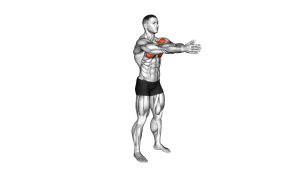
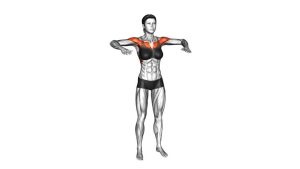
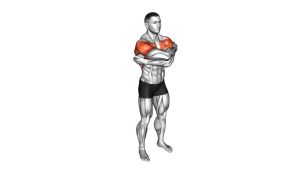
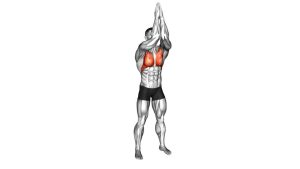
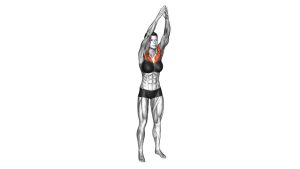
This exercise works well as a chest warm-up, a light upper-body activation drill, or a low-impact movement for improving arm path awareness before more demanding chest exercises. During the inward phase, focus on squeezing the chest as the elbows come together. During the outward throw, open the arms smoothly and let the chest lengthen without losing posture. Keep the ribcage stacked, the neck relaxed, and the movement rhythmic rather than rushed.
Quick Overview
| Body Part | Chest |
|---|---|
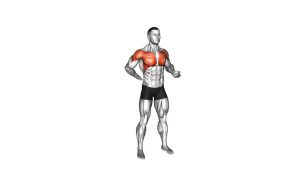
| Primary Muscle | Pectoralis major |
| Secondary Muscle | Anterior deltoids, serratus anterior, triceps, upper trapezius |
| Equipment | None |
| Difficulty | Beginner |
Sets & Reps (By Goal)
- Warm-up before chest training: 2–3 sets × 10–15 reps
- Muscle activation / mind-muscle connection: 2–4 sets × 12–20 reps
- Light mobility and movement prep: 1–3 sets × 8–12 controlled reps
- Low-impact finisher or recovery session: 2–3 sets × 15–20 smooth reps
Progression rule: First improve control, range, and chest tension. Then add reps, slower tempo, or a brief pause during the inward squeeze before increasing complexity.
Setup / Starting Position
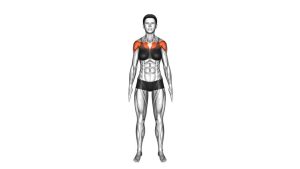
- Stand tall: Place your feet about hip-width apart with knees soft and your core lightly braced.
- Set posture: Keep your chest lifted naturally, ribs stacked over hips, and shoulders relaxed.
- Raise the arms: Bring both elbows up in front of the body with the arms bent and forearms angled inward.
- Prepare to squeeze: Start with the elbows slightly apart and the hands relaxed rather than tense.
- Keep the neck neutral: Avoid jutting the chin forward or shrugging as you begin the movement.
Tip: Think of this exercise as a blend of a standing pec squeeze and a dynamic chest opener.
Execution (Step-by-Step)
- Bring the elbows inward: Move the elbows toward each other in front of the chest and actively squeeze the pecs.
- Pause briefly: Hold the inward position for a moment to feel the chest contract rather than just the arms moving.
- Open and throw outward: Sweep the arms out and up in a wide arc, allowing the elbows to open and the chest to expand.
- Reach the top smoothly: Finish with the arms high and wide without forcing the shoulders into an uncomfortable range.
- Return under control: Lower the arms back into the bent starting position and repeat with steady rhythm.
Pro Tips & Common Mistakes
- Squeeze, don’t slap the elbows together: The movement should come from chest engagement, not impact.
- Stay tall through the torso: Avoid arching the lower back during the outward throw.
- Keep the shoulders down: Don’t shrug as the arms rise.
- Use a smooth arc: The outward phase should feel fluid and controlled, not jerky.
- Don’t rush the inward phase: A brief squeeze improves pec activation.
- Reduce range if needed: If overhead motion bothers the shoulders, open outward lower instead of forcing height.
- Match breath to movement: Exhale during the squeeze, inhale as the arms open.
FAQ
What muscles does the Elbow Touch to Outer Throw work?
The main target is the pectoralis major. Secondary muscles include the anterior deltoids, serratus anterior, triceps, and upper shoulder stabilizers that help control the opening phase.
Is this a chest-building exercise or more of a warm-up?
It is mainly a warm-up and activation drill. It can improve chest awareness, blood flow, and movement quality, but it is not a heavy hypertrophy exercise on its own.
Can beginners do this exercise?
Yes. It is a beginner-friendly movement because it uses bodyweight only and can be done with a small, comfortable range of motion.
When should I use this in a workout?
It works best before chest training, push-ups, presses, or upper-body mobility work. You can also use it as a quick movement break during the day.
What if I feel more shoulders than chest?
Slow the exercise down, focus on the inward squeeze, and avoid shrugging. Bringing more attention to the elbows moving inward instead of the hands moving around usually improves chest activation.
Recommended Equipment
- Resistance Bands Set — useful for pairing this drill with band chest flys, pull-aparts, and shoulder activation work
- Exercise Yoga Mat — helpful for comfortable warm-up sessions, mobility work, and floor-based accessory exercises
- Light Dumbbells Set — great for progressing into light chest raises, fly patterns, and shoulder endurance drills
- Foam Roller — useful for upper-body mobility, pec soft-tissue work, and posture-focused recovery
- Door Anchor for Resistance Bands — helpful for adding chest fly and press variations after activation work
Tip: This exercise does not require equipment, but these tools can help you build a more complete chest activation and upper-body warm-up routine.