Kneeling Scapular Push-Up: Proper Form, Sets, Muscles Worked & FAQ
Learn how to do the Kneeling Scapular Push-Up with proper form. Discover muscles worked, setup, step-by-step execution, sets by goal, common mistakes, FAQs, and recommended equipment.
Kneeling Scapular Push-Up
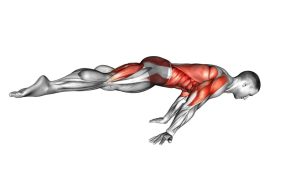
This exercise is all about precision. The movement is small, but the quality matters a lot. When done well, you should feel your upper body working without turning the rep into a full push-up. Keep the arms straight, maintain a steady torso, and let the shoulder blades glide smoothly around the rib cage.
Quick Overview
| Body Part | Back |
|---|---|
| Primary Muscle | Serratus anterior |
| Secondary Muscle | Rhomboids, middle trapezius, lower trapezius, pec minor, core stabilizers |
| Equipment | None (optional: exercise mat, knee pad, push-up bars) |
| Difficulty | Beginner |
Sets & Reps (By Goal)
- Warm-up / activation: 2–3 sets × 8–12 reps with slow, controlled movement
- Shoulder stability / motor control: 2–4 sets × 10–15 reps with a brief pause at full protraction
- Posture / rehab-style practice: 2–3 sets × 6–10 reps with extra focus on smooth scapular motion
- Bodyweight training accessory: 2–3 sets × 12–15 reps after push-ups, dips, or pressing work
Progression tip: First improve control and range, then increase reps. You can also progress to a full plank scapular push-up once the kneeling variation feels clean and stable.
Setup / Starting Position
- Kneel on the floor: Place your knees on a mat or padded surface and position your hands slightly wider than shoulder-width apart.
- Stack your joints: Keep your shoulders over your hands with your arms fully straight and your elbows locked.
- Set your torso: Tighten your core lightly so your spine stays neutral from head to hips.
- Keep the neck relaxed: Look slightly down so your head stays aligned with the rest of your body.
- Start in control: Begin with the shoulder blades in a neutral position, not pinched hard together and not pushed as far apart as possible.
Tip: If wrist extension bothers you, try push-up bars or parallettes to keep the wrists in a more neutral position.
Execution (Step-by-Step)
- Brace and hold your arms straight: Lock in your position before you move. The elbows should stay straight the entire time.
- Lower through the shoulder blades: Let your chest sink slightly toward the floor by allowing your shoulder blades to move toward each other.
- Pause briefly: Stop when you feel a comfortable stretch through the upper back and around the shoulder blades.
- Push the floor away: Drive your hands into the floor and spread the shoulder blades apart as your upper back rounds slightly.
- Finish with control: Reach the top position without shrugging the shoulders into your ears, then repeat smoothly for the next rep.
Pro Tips & Common Mistakes
- Keep the elbows straight: The shoulder blades should create the movement, not the triceps.
- Use a small range at first: You do not need a huge motion to make this exercise effective.
- Move slowly: Controlled reps help you feel the retraction and protraction phases much better.
- Do not shrug: Keep the neck long and avoid lifting the shoulders up toward the ears.
- Keep the core engaged: A loose torso makes the movement sloppy and reduces scapular control.
- Do not rush the top: The fully protracted position is where many people get the best serratus activation.
- Avoid bending at the hips: Keep a stable line from the head through the torso instead of rocking back and forth.
FAQ
What muscles does the kneeling scapular push-up work?
The main target is the serratus anterior, which helps move and stabilize the shoulder blades. The exercise also involves the rhomboids, traps, pec minor, and core stabilizers.
Is this the same as a regular push-up?
No. In a regular push-up, the elbows bend and straighten. In a scapular push-up, the elbows stay straight and the motion comes mainly from the shoulder blades.
Who should use the kneeling version?
The kneeling version is excellent for beginners, warm-ups, posture drills, and anyone learning scapular control before progressing to the full plank variation.
Where should I feel this exercise?
You will usually feel it around the upper ribs, shoulder blades, and sides of the upper torso. At full protraction, many people notice the serratus area working the most.
How can I make it harder?
You can slow the tempo, add pauses, increase reps, or progress to a standard plank scapular push-up once you can control the kneeling version with clean form.
Recommended Equipment (Optional)
- Push-Up Bars — helpful for keeping the wrists in a more comfortable neutral position during scapular push-up work
- Workout Knee Pads — adds comfort when performing kneeling reps on hard floors
- Exercise Mat — creates a more stable and cushioned surface for bodyweight drills and shoulder warm-ups
- Resistance Band Set — useful for pairing with shoulder activation, pull-aparts, and upper-back accessory work
- Wooden Parallettes / Push-Up Handles — a sturdy option for users who want more wrist comfort and a premium feel during floor-based pushing exercises
Tip: Choose the simplest setup that helps you maintain comfort and control. For most people, a mat plus optional wrist-friendly handles is more than enough.